How to Choose the Right Volunteer Abroad Program
Unlock the secrets to selecting an international volunteering adventure that fits your passions, boosts your skills, and creates lasting impact. Learn how to navigate choices for meaningful travel and personal growth.
4 min read
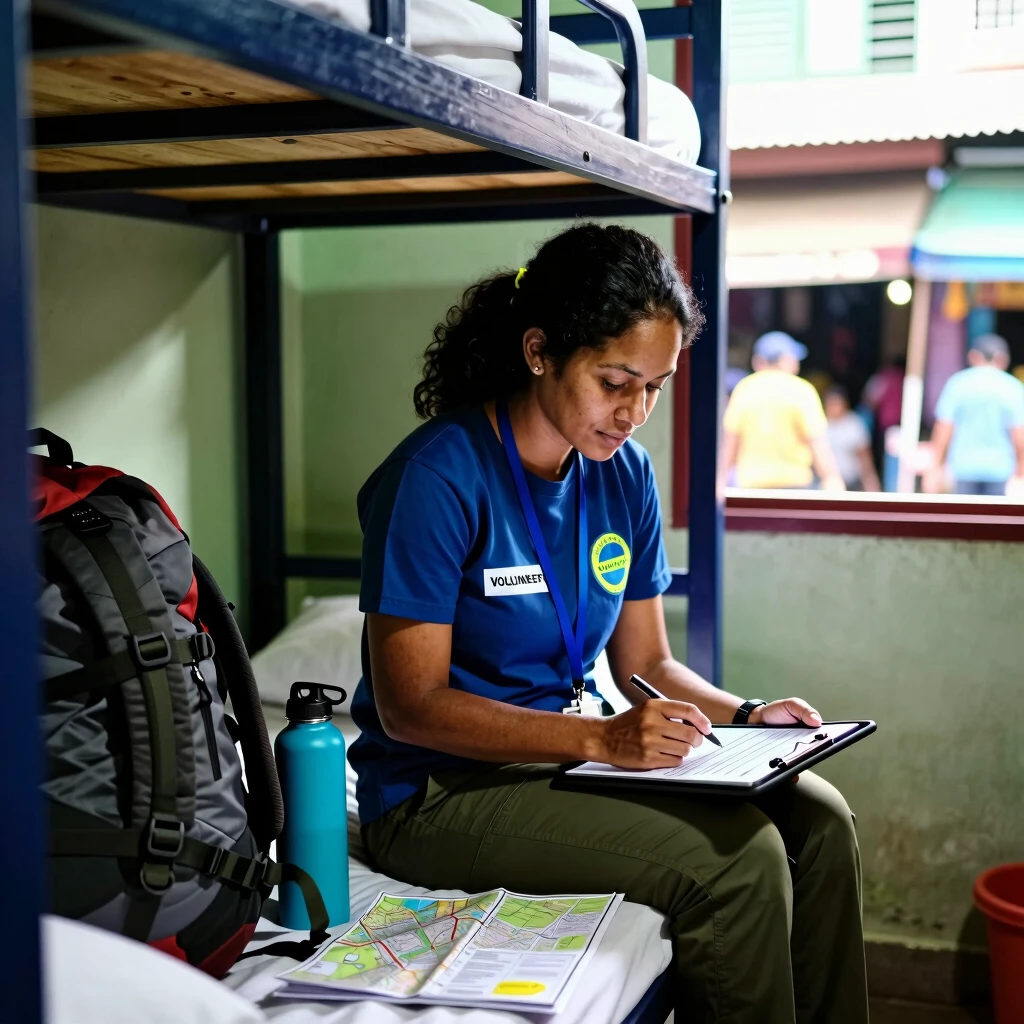
A Quick Overview
Dreaming of international volunteering but unsure where to start? Choosing the right volunteer abroad program can transform your life. This guide covers key steps, from matching your goals to handling cultural shocks and language barriers. Expect actionable advice drawn from real experiences to help you dive in confidently. (42 words)
Why Volunteer Abroad?
Volunteering abroad opens doors to new worlds. It lets you give back while growing personally. Many travelers seek these experiences to build resumes, learn skills, or simply explore. But not all programs deliver the same value.
I remember my first trip to Ecuador. I joined a conservation project, and it shifted how I saw community work. You might feel the same pull toward adventure and purpose.
Start by asking: What drives you? Do you want to teach kids, protect wildlife, or support healthcare? Clear goals guide your search for the perfect fit.
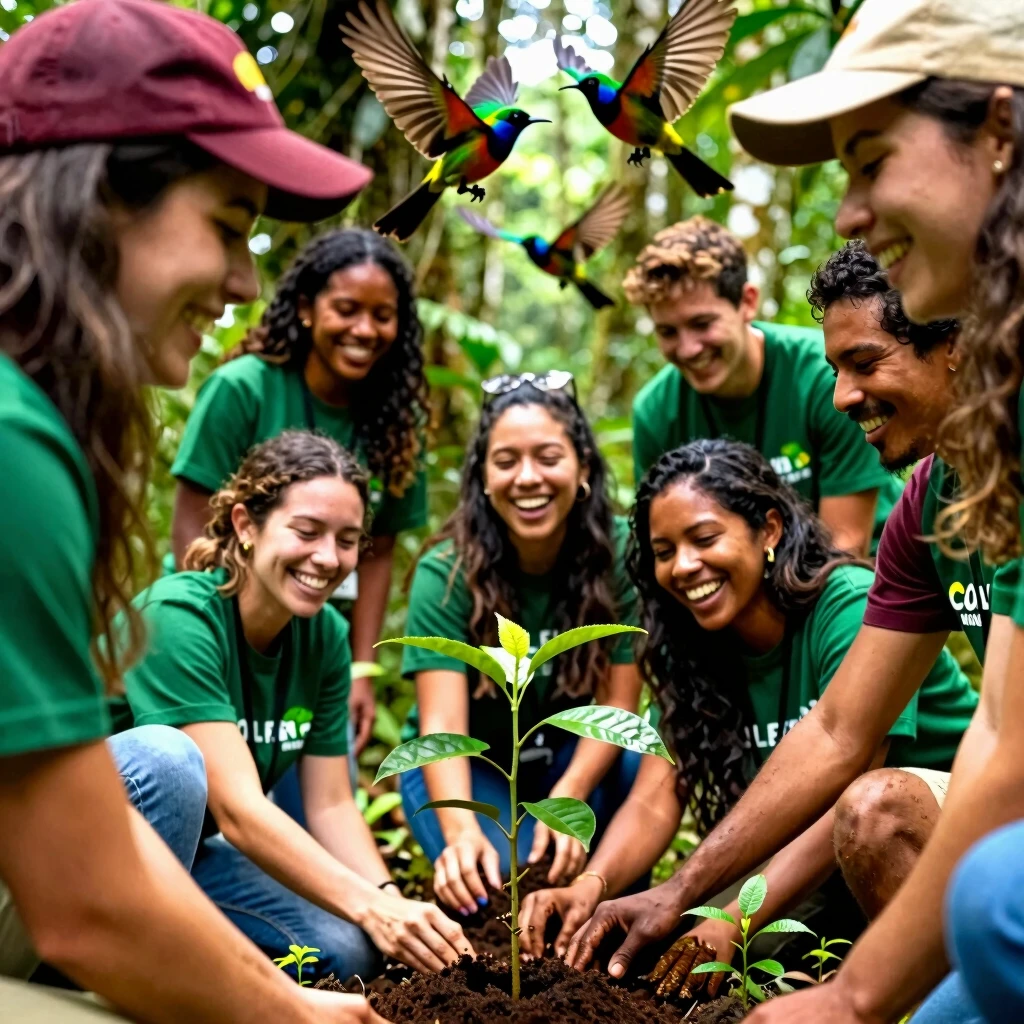
Step 1: Assess Your Goals and Skills
Before browsing options, reflect on your motivations. Are you a student eyeing resume boosters? A professional seeking a career break? Or a retiree craving connection?
List your must-haves: - Duration: Short 1-2 weeks or long 3-6 months? - Location: Urban cities or remote villages? - Focus Area: Education, environment, health?
Match these to your strengths. If you're great with kids, teaching programs shine. New to this? Opt for beginner-friendly setups.
For deeper insights, check the Johns Hopkins University guide on motivations for international volunteering. It breaks down how to align service with personal growth.
Step 2: Research Reputable Programs
How to choose the right volunteer abroad program? Dig into trusted organizations. Look for those with transparent operations and strong reviews.
Key checks:
| Factor | What to Look For |
|---|---|
| Accreditation | Ties to groups like Idealist.org or UN Volunteers |
| Impact Reports | Proof of real change, not just photos |
| Alumni Stories | Honest feedback on sites like GoAbroad |
| Support Level | Visa help, on-site staff, emergency plans |
Avoid programs promising 'easy paradise' trips. True international volunteering demands effort and respect.
The University of Minnesota's overview of volunteer abroad support explains varying independence levels—pick one that matches your comfort.
Step 3: Prioritize Safety and Logistics
Safety tops every list. Research destination risks like health threats or political unrest. Reputable programs provide insurance and briefings.
Pack smart: - Vaccinations per CDC guidelines. - Travel insurance covering evacuations. - Local emergency contacts.
When I volunteered in Kenya, our group's daily health checks prevented issues. Don't skip this—your well-being matters.
For expert prep, read the CDC's advice for humanitarian aid workers' health and safety. It covers vaccines and risk mitigation essentials.

Language Learning Tips for Volunteers and Travelers
Communication bridges gaps. Many choose to volunteer abroad and learn a language simultaneously. It deepens connections and enriches your stay.
Tips to thrive: 1. Start Early: Use apps like Duolingo for basics before departure. 2. Immerse Daily: Practice with hosts over meals—errors build bonds. 3. Group Classes: Pick programs with built-in lessons. 4. Phrasebook Musts: Learn greetings, directions, and thanks first.
In my Thailand stint, fumbling Thai words led to the best laughs and friendships. Embrace the mess—it's part of the joy.
Explore Peace Corps training resources on language and cultural adaptation for structured approaches that boost fluency fast.
Cultural Differences: What to Expect When Volunteering Abroad
Cultures clash and blend—that's the magic. Expect surprises like different time views or social norms. In some places, directness offends; in others, it's rude to say no.
Prepare with: - Open Mind: Observe before acting. - Local Customs: Research festivals, dress codes. - Humble Questions: Ask hosts about taboos.
One volunteer I know in India adjusted to communal eating, gaining family-like ties. These shifts build empathy you carry home.
The University of Pennsylvania's gap year volunteering programs highlight immersion tactics, like homestays, for authentic experiences.

Budgeting and Hidden Costs
Costs vary wildly—$500 for a week to $10,000 for months. Factor in flights, visas, and extras like souvenirs.
Break it down: - Program fees: Cover lodging, meals. - Travel: Book early for deals. - Personal: Buffer for tips, outings.
Seek scholarships from Rotary or local grants. My Ecuador program cost less thanks to fundraising—crowdfund your dream!
Personal Insights: Lessons from the Field
From my travels, the best programs foster growth over glamour. In Vietnam, teaching English amid rice paddies taught patience. Challenges like homesickness? They fade with routine.
Seek balance: Work hard, play harder. Journal nightly—it captures gems you'll revisit.
Connect with past volunteers via forums. Their stories reveal program realities.
Wrapping Up: Your Path to Impact
How to choose the right volunteer abroad program boils down to alignment, research, and heart. Weigh goals against options, prioritize safety, and embrace language and cultural dives. International volunteering rewards the prepared traveler with memories and skills that last.
Ready? Start small: Pick one goal today. Your adventure awaits—go make waves. (68 words)