How to Get Involved in Advocacy: A Beginner's Guide
Discover practical steps to start your advocacy journey. This beginner's guide covers finding causes, building skills, joining organizations, and making an impact through effective advocacy and volunteering.
4 min read
Overview
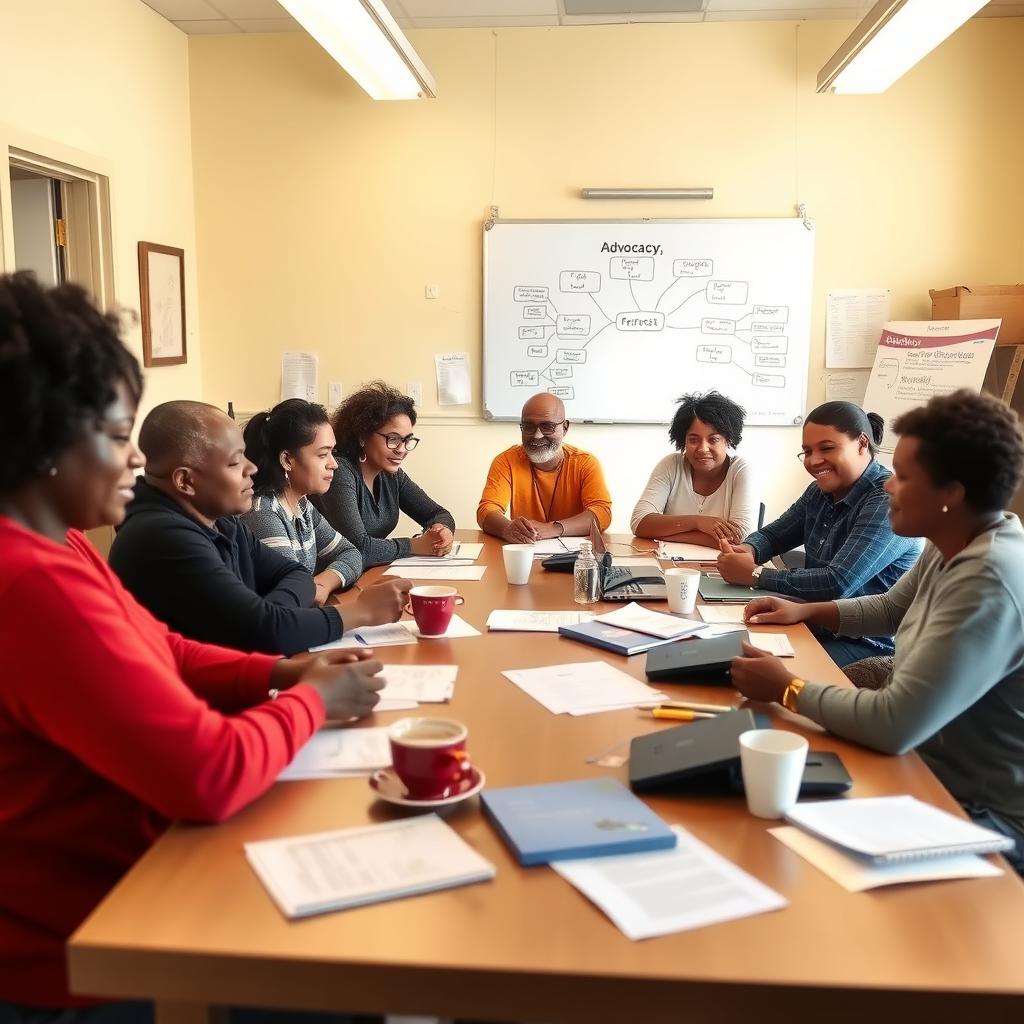
Advocacy is about speaking up for what matters. Whether you're passionate about climate change, social justice, or animal rights, this guide, How to Get Involved in Advocacy: A Beginner's Guide, will walk you through practical steps to start. From finding your cause to taking action, you’ll learn how to make a difference.
Why Advocacy Matters
Advocacy is the act of supporting a cause or issue to create change. It’s about amplifying voices that might not be heard. I remember my first step into advocacy—attending a local environmental rally. The energy of people united for a shared goal was inspiring. Advocacy can influence policies, shift public opinions, or fund solutions. According to Stanford University’s Center for Social Innovation, advocacy drives systemic change by addressing root causes, not just symptoms.
You don’t need to be an expert to start. Anyone with passion and commitment can advocate. The key is finding a cause that resonates with you and taking small, actionable steps. This guide breaks it down for beginners.
Step 1: Find Your Cause
Start by identifying what you care about. Reflect on issues that stir your emotions—maybe it’s healthcare access, education equity, or wildlife conservation. Ask yourself: What keeps me up at night? What change do I want to see?
Here’s how to narrow it down: - Research local issues: Check community boards or news for local challenges. - Explore global problems: Websites like United Nations Sustainable Development Goals outline pressing global issues. - Talk to others: Friends or family might share causes they support.
My first cause was clean water access after reading about contaminated rivers in my area. It felt personal because it affected my community.

Step 2: Educate Yourself
Knowledge is power in advocacy. Before you act, learn about your cause. Read books, follow credible news, or take free online courses. For example, Harvard University’s edX platform offers free courses on topics like human rights and environmental policy.
When I started advocating for clean water, I read reports from the Environmental Protection Agency and joined webinars. Understanding the science and policies helped me speak confidently. Here’s a quick checklist: - Read primary sources (government reports, academic studies). - Follow experts on platforms like X for real-time updates. - Join forums or local groups to hear firsthand experiences.
Step 3: Build Advocacy Skills
Effective advocacy requires skills like communication, research, and organization. Volunteer training for advocacy work is a great way to start. Many organizations offer workshops to teach you how to write letters to policymakers, speak publicly, or organize events.
I attended a volunteer training session with a local nonprofit. We practiced writing op-eds and role-played meetings with officials. It was nerve-wracking but empowering. Look for training through: - Nonprofits like Amnesty International or Sierra Club. - Community centers or libraries hosting workshops. - Online platforms like Coursera or local university outreach programs.
Step 4: Volunteer with Organizations
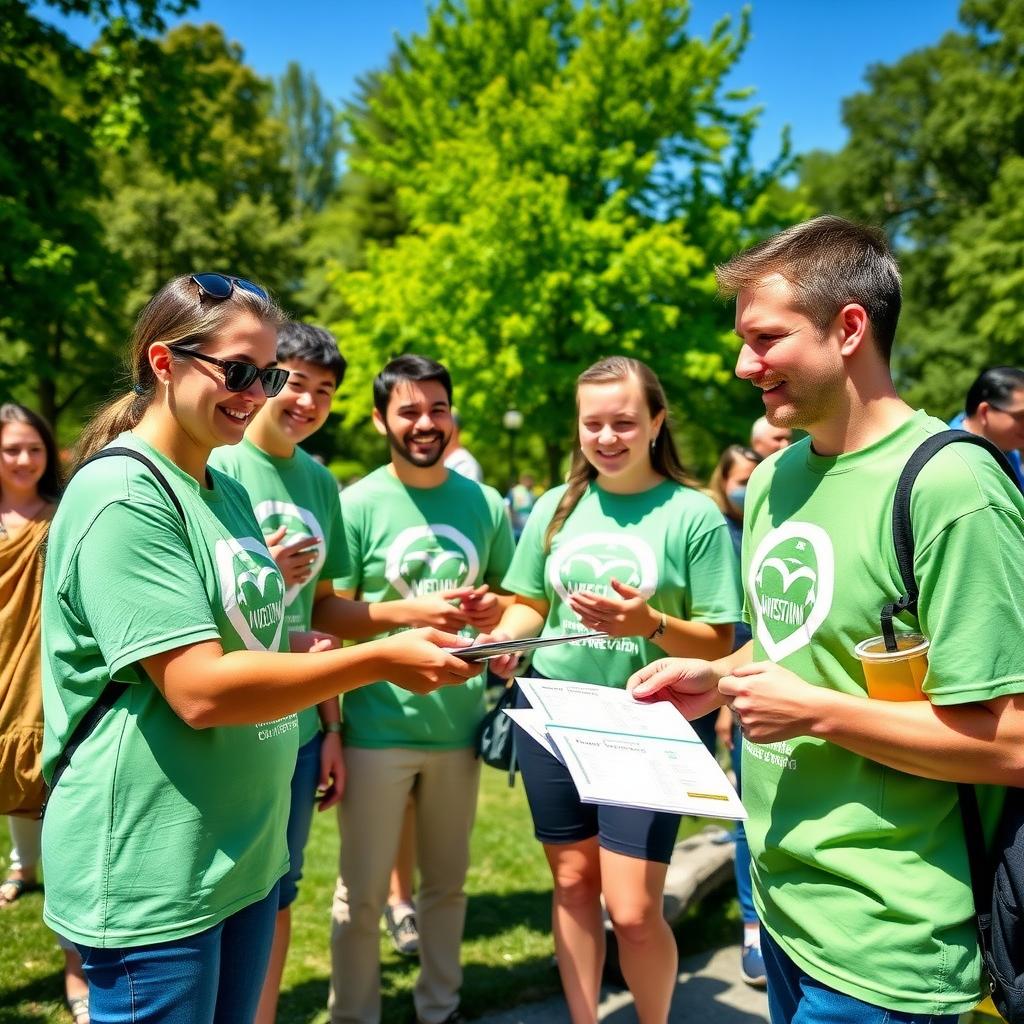
Volunteering is a hands-on way to get involved. Many advocacy groups rely on volunteers to spread their message. You could help with fundraising, event planning, or social media campaigns. Search for organizations aligned with your cause on platforms like VolunteerMatch.
As a volunteer, I started small—handing out flyers at events. Over time, I led community cleanups. Volunteering connects you with like-minded people and builds your network. Here’s a table of volunteer roles and skills gained:
| Role | Skills Gained |
|---|---|
| Event Coordinator | Planning, teamwork, leadership |
| Social Media Volunteer | Communication, digital marketing |
| Petition Organizer | Research, public speaking |
Step 5: Take Action
Now it’s time to act. Advocacy can take many forms—writing to lawmakers, joining protests, or sharing stories online. Start small to build confidence. For example, I wrote a letter to my city council about water quality. It felt daunting, but their response motivated me to keep going.
Here are actionable ideas: - Write letters or emails: Address local officials with clear, respectful requests. - Use social media: Share facts or personal stories to raise awareness. - Join campaigns: Sign petitions or attend rallies for your cause.
Pro tip: Personal stories are powerful. Share why the cause matters to you—it connects with others emotionally.
Step 6: Stay Committed
Advocacy is a marathon, not a sprint. Burnout is real, so pace yourself. Set realistic goals, like attending one event a month or writing one letter a quarter. I learned to celebrate small wins, like getting a response from a policymaker, to stay motivated.
Connect with others to avoid feeling alone. Join online communities or local groups. The National Council of Nonprofits offers resources for staying engaged without burning out.

Overcoming Common Challenges
Beginners often face hurdles like fear of speaking out or lack of time. Here’s how to tackle them: - Fear of judgment: Start with low-pressure actions, like signing petitions. - Time constraints: Dedicate just an hour a week to advocacy tasks. - Feeling overwhelmed: Focus on one issue to avoid spreading yourself thin.
When I started, I worried my voice wouldn’t matter. But every small action adds up. Even one letter or post can inspire others.
Summary
Getting involved in advocacy is about finding your passion, learning, and taking action. Whether you volunteer, write letters, or join campaigns, your efforts matter. Start small, stay informed, and connect with others. Advocacy isn’t just about change—it’s about building a community of people who care.