How to Get Involved in Service Learning by Sarah Johnson
Discover how to get involved in service learning with insights from Sarah Johnson. Learn the benefits of combining community service with academic learning, explore top volunteer opportunities for college students, and understand why employers value volunteer experience to boost your career prospects.
5 min read

Overview
Service learning blends community service with academic learning, offering students a chance to grow personally and professionally while making a difference. In this article, Sarah Johnson shares practical steps on how to get involved in service learning, why it matters, and how it can shape your future.
What Is Service Learning?
Service learning is more than just volunteering. It’s a structured approach that combines community service with academic goals. Unlike traditional volunteering, service learning ties your efforts to coursework, encouraging reflection and real-world application of what you learn in class. For example, a biology student might volunteer at a local health clinic to understand public health challenges, then write a paper connecting their experience to their studies.
This approach deepens your understanding of academic material while addressing community needs. It’s a win-win: you gain hands-on experience, and the community benefits from your contributions. According to the National Service-Learning Clearinghouse, service learning enhances critical thinking, civic engagement, and personal growth.
Why Service Learning Matters
I first encountered service learning during my sophomore year at college. I was skeptical at first—how could volunteering fit into my packed schedule? But when I joined a program tutoring at-risk youth, I saw the impact. The kids gained confidence, and I learned how to communicate complex ideas simply. It wasn’t just about giving back; it changed how I viewed my education and my role in the world.
Service learning builds skills like leadership, teamwork, and problem-solving. These are exactly what employers look for. A study by the Corporation for National and Community Service found that volunteers have a 27% higher chance of landing a job compared to non-volunteers, especially in rural areas where the figure jumps to 55%. This is why employers value volunteer experience—it shows you’re proactive and adaptable.

How to Get Involved in Service Learning by Sarah Johnson
Getting started in service learning is easier than you think. Here’s a step-by-step guide based on my own journey and research:
- Identify Your Interests: Think about what causes excite you. Are you passionate about education, environmental conservation, or healthcare? Aligning your volunteer work with your interests makes the experience more rewarding.
- Check with Your School: Many colleges offer service learning programs tied to specific courses. Visit your campus career center or academic advisor to find opportunities. For example, Oakton College’s Service Learning Program connects students with local nonprofits for course credit.
- Research Local Organizations: Look for nonprofits or community groups that match your interests. Websites like VolunteerMatch list opportunities by location and cause.
- Talk to Professors: Some courses integrate service learning directly. Ask your instructors if they offer projects that combine volunteering with coursework.
- Commit and Reflect: Once you join a program, commit to regular hours and reflect on your experiences through journals or class discussions. Reflection is key to tying your service to academic learning.
Top Volunteer Opportunities for College Students
Finding the right opportunity can feel overwhelming, but there are plenty of options tailored for students. Here are some of the top volunteer opportunities for college students:
- Tutoring and Mentoring: Programs like AmeriCorps or local school partnerships let you work with kids, helping with homework or life skills.
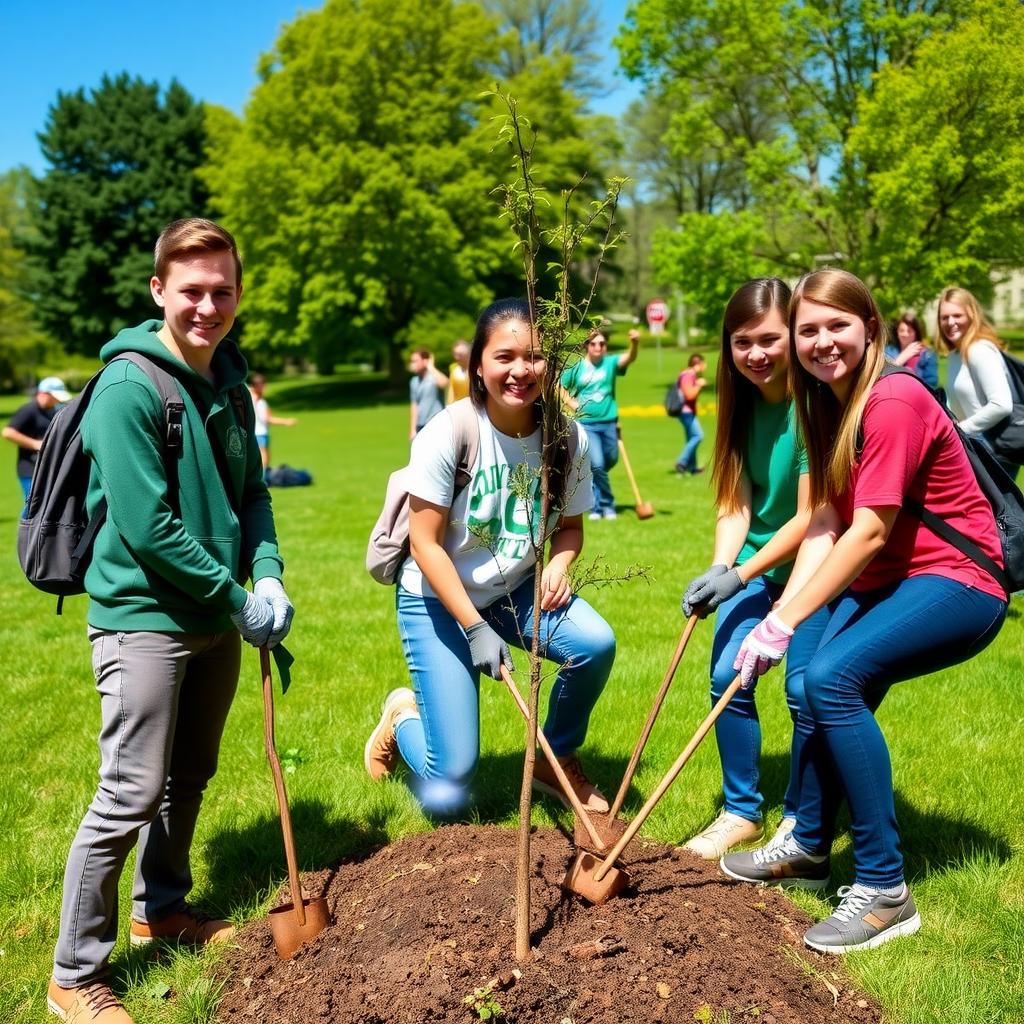
- Environmental Conservation: Join groups like the Sierra Club or local park cleanups to support sustainability efforts.
- Healthcare Support: Volunteer at hospitals or clinics to gain experience in medical fields, like Gregory, a premed student who worked at a Spanish-speaking clinic to practice language skills and learn from doctors.
- Food Banks and Homeless Shelters: Organizations like Feeding America need volunteers to sort donations or serve meals.
- Community Arts: Help with local theater productions or art workshops to explore creative skills.
How Volunteering Can Boost Your Career Prospects
Volunteering through service learning isn’t just about feeling good—it’s a career game-changer. How volunteering can boost your career prospects starts with the skills you gain. Leadership, communication, and problem-solving are universal skills that employers in any field value. For instance, when I volunteered at a food bank, I learned project management by organizing donation drives—skills I later highlighted in job interviews.
Employers also love seeing volunteer work on resumes because it shows initiative. A Deloitte survey found that 81% of HR executives consider volunteer experience in hiring decisions, with 76% saying it makes candidates more desirable. Plus, volunteering expands your network. I met a nonprofit director while tutoring who later wrote me a recommendation letter for a summer internship.
Challenges and How to Overcome Them
Service learning isn’t without hurdles. Time management is a big one—balancing classes, work, and volunteering can be tough. I struggled with this until I set a schedule, dedicating just a few hours a week to volunteering. Start small to avoid burnout.
Another challenge is finding the right fit. Not every opportunity will align with your goals. If you’re not enjoying the work, reflect on why. Is it the tasks, the people, or the organization? Don’t be afraid to switch to a different program that better suits your interests.
Finally, some students worry that unpaid work isn’t worth it. But the skills, connections, and personal growth you gain far outweigh the lack of a paycheck. Treat it like an investment in your future.
Making the Most of Your Experience
To maximize service learning, be intentional. Keep a journal to reflect on what you’re learning and how it connects to your studies or career goals. Share your experiences in class discussions or on your resume. For example, when I applied for a teaching assistant role, I described how tutoring improved my communication skills.
Network with the people you meet—volunteers, staff, or community members. They can offer career advice or even job leads. Finally, don’t be afraid to take on leadership roles, like organizing an event or training new volunteers. These experiences show employers you’re ready to step up.
Summary
Service learning is a powerful way to combine community service with academic learning. By following the steps outlined—finding your passion, connecting with your school, and reflecting on your work—you can make a difference while building skills that employers value. Whether you’re tutoring kids, planting trees, or supporting a local clinic, service learning opens doors to personal growth and career opportunities. Start small, stay committed, and watch how it transforms your perspective and prospects.