How to Get Started in Advocacy Volunteering: Your Complete Beginner’s Guide
Discover practical steps, best practices in advocacy volunteering, and real volunteer stories to launch your journey in advocacy. Learn how to get started in advocacy volunteering and make a lasting impact today.
3 min read
How to Get Started in Advocacy Volunteering
Advocacy volunteering turns your passion into powerful action that creates real change. Whether you care about climate justice, equality, or community health, this guide shows exactly how to get started in advocacy volunteering. You will find simple steps, best practices in advocacy volunteering, and honest insights from volunteers who began just like you. Ready to begin?
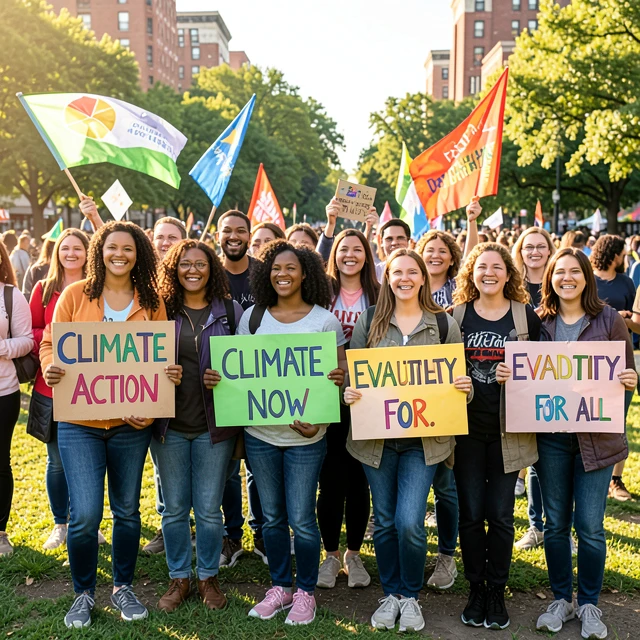
Why Advocacy Volunteering Matters More Than Ever
Advocacy volunteering is different from regular volunteer work because it focuses on changing policies, raising awareness, and fixing root problems instead of just helping with immediate needs. As a volunteer, you become part of a bigger movement that amplifies voices often ignored by decision makers.
I remember my first day as an advocacy volunteer five years ago. I felt nervous standing outside city hall with a small group pushing for better public transit. By the end of the event, three local leaders had promised to meet with us. That moment taught me that everyday people really can influence change.
The rewards go beyond the cause itself. You build new skills in public speaking, research, and teamwork. You meet inspiring people who share your values. Most importantly, you gain a deep sense of purpose that regular jobs rarely provide.
Many beginners worry they lack experience. The truth is, passion and willingness to learn matter more than a fancy resume. Organizations welcome newcomers because fresh energy keeps movements alive.
Step-by-Step Guide: How to Get Started in Advocacy Volunteering
Step 1: Discover Your Passion
Start by asking yourself three simple questions: - What issue keeps me awake at night? - Which community problem do I see every day? - Where can my personal skills make the biggest difference?
Write your answers down. Common causes include environmental protection, racial justice, mental health access, and education equity. Pick one that genuinely excites you—sustained motivation comes from the heart.
Step 2: Research Local and National Opportunities
Search online for organizations using keywords like "advocacy volunteer" plus your cause. Great starting points include VolunteerMatch, Idealist.org, and local nonprofit directories. Attend one free online webinar or in-person info session to see if the group feels right.
Step 3: Build Basic Skills
You do not need a degree. Focus on three core abilities: - Clear communication (learn to write short, powerful emails and speak confidently) - Basic research (find credible facts and statistics) - Active listening (understand different viewpoints)
Many groups offer free training sessions specifically for new volunteers.

Best Practices in Advocacy Volunteering
Successful volunteers follow these proven strategies:
- Listen first, speak second – Spend time understanding the people you want to help before proposing solutions.
- Use facts and stories together – Data convinces the head, personal stories reach the heart.
- Build genuine relationships – Networking at events leads to stronger campaigns and lifelong friends.
- Stay consistent – Even two hours a month creates more impact than one big event and then disappearing.
- Document your work – Keep records of meetings, emails, and outcomes. This helps when you want to expand your role later.
One best practice I learned the hard way: always follow up. After a meeting or event, send a quick thank-you note. It shows professionalism and keeps doors open.
Here is a quick skill-building table:
| Skill | Why It Helps | Easy Way to Practice |
|---|---|---|
| Public Speaking | Gets your message heard | Join a local Toastmasters club |
| Research | Builds credible arguments | Read one report per week on your cause |
| Email Writing | Reaches decision makers | Draft and revise three practice emails |
| Collaboration | Strengthens team efforts | Volunteer for one group project |

Common Challenges and How to Overcome Them
New volunteers often face three main hurdles: - Time constraints: Start with just one event per month and protect that slot on your calendar. - Feeling overwhelmed: Break big goals into tiny daily actions, like sending one email. - Burnout: Practice self-care and celebrate small wins with your team.
Remember, every experienced advocate was once a nervous beginner. Progress comes from showing up consistently.
Final Thoughts on Starting Your Advocacy Journey
How to get started in advocacy volunteering is simpler than most people think. Choose a cause that matters to you, find a welcoming group, learn the basics, and take that first small step. The best practices in advocacy volunteering—listening, consistency, and relationship building—will guide you forward.
Your voice and energy as a volunteer can spark real change. The world needs more people willing to stand up and speak out. Today is the perfect day to begin.