How to Implement Volunteer Programs in Schools: A Comprehensive Guide
Discover how to implement volunteer programs in schools to foster service learning and civic engagement. This guide offers practical steps, real-world insights, and strategies for integrating volunteer work into academic curriculums, empowering students and strengthening communities.
5 min read

Overview
Implementing volunteer programs in schools is a powerful way to engage students, build community ties, and promote civic responsibility. By integrating volunteer work into academic curriculums, schools can create meaningful opportunities for students to grow personally and academically while making a positive impact. This guide provides actionable steps, real-world insights, and practical strategies to help educators and administrators successfully launch and sustain volunteer programs.
Why Volunteer Programs Matter in Schools
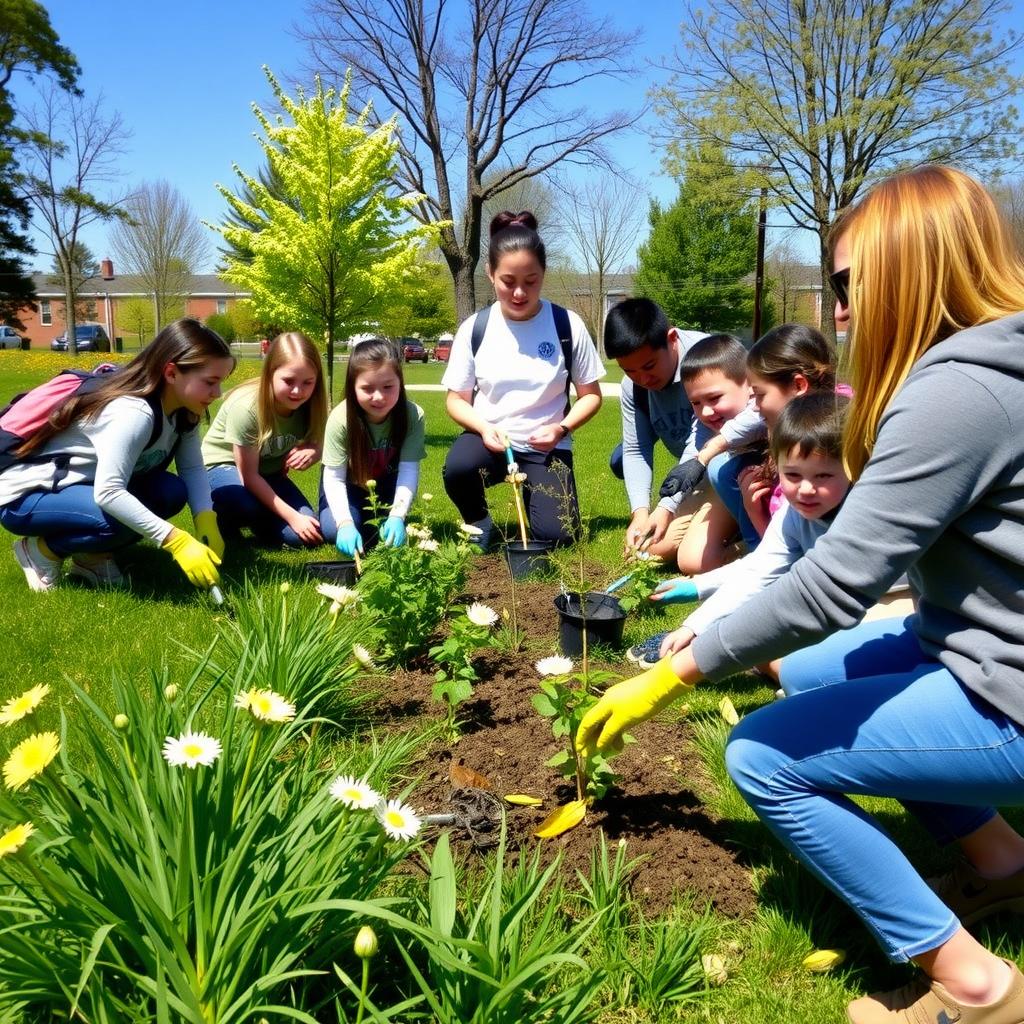
Volunteer programs in schools do more than just fill community service hours. They teach students empathy, leadership, and problem-solving skills. When students participate in service learning, they connect classroom lessons to real-world challenges, making education more relevant. For example, a student studying environmental science might volunteer at a local park cleanup, seeing firsthand how their knowledge applies.
Research supports this approach. According to a study by the National Center for Education Statistics, students engaged in service learning show higher academic performance and increased civic engagement. These programs also strengthen school-community relationships, creating a sense of shared purpose.

Step 1: Define Clear Goals for Your Volunteer Program
Before launching a volunteer program, clarify its purpose. Are you aiming to enhance civic engagement, support local nonprofits, or integrate service learning into specific subjects? Clear goals guide every decision, from selecting projects to measuring success.
For instance, a goal might be to 'foster environmental stewardship through service learning.' This could lead to projects like creating school gardens or partnering with local conservation groups. Ensure goals align with your school’s mission and student needs.
Tips for Setting Goals: - Involve students, teachers, and parents in the planning process. - Align goals with academic standards to support curriculum integration. - Set measurable outcomes, like '50 students will complete 100 volunteer hours this semester.'
Step 2: Partner with Community Organizations
Successful volunteer programs rely on strong community partnerships. Reach out to local nonprofits, libraries, or civic groups to identify volunteer opportunities that match your goals. For example, a partnership with a food bank could involve students in meal distribution, tying into lessons on social justice or nutrition.
The Corporation for National and Community Service offers resources for finding community partners and designing service-learning projects. These partnerships not only provide opportunities but also bring expertise and resources to your program.
How to Build Partnerships: 1. Research organizations with missions that align with your goals. 2. Schedule meetings to discuss mutual benefits and logistics. 3. Establish clear roles and expectations for both the school and the partner.
Step 3: Integrate Volunteer Work into Academic Curriculums
Integrating volunteer work into academic curriculums transforms service into a learning opportunity. This approach, often called service learning, connects volunteer activities to classroom content. For example, a history class studying civil rights could volunteer at a community center serving marginalized groups, deepening their understanding of equity.
To make this work, collaborate with teachers to identify curriculum connections. A science teacher might incorporate a river cleanup into lessons on ecosystems, while an English teacher could have students write reflections on their volunteer experiences.
Integration Strategies: - Map volunteer projects to specific learning objectives. - Use reflection activities, like journals or discussions, to process experiences. - Assess student learning through presentations or portfolios, not just hours served.
Step 4: Engage and Motivate Students
Student buy-in is critical for a successful volunteer program. If students see volunteering as a chore, engagement will suffer. Instead, make it meaningful by giving them choices and ownership. Let students vote on projects or propose their own ideas, like organizing a school-wide recycling drive.
From my experience visiting schools with active volunteer programs, I’ve seen how excited students get when they feel their work matters. One school I visited had students tutoring younger kids in reading. The volunteers glowed with pride when their mentees improved, and it motivated them to stay involved.
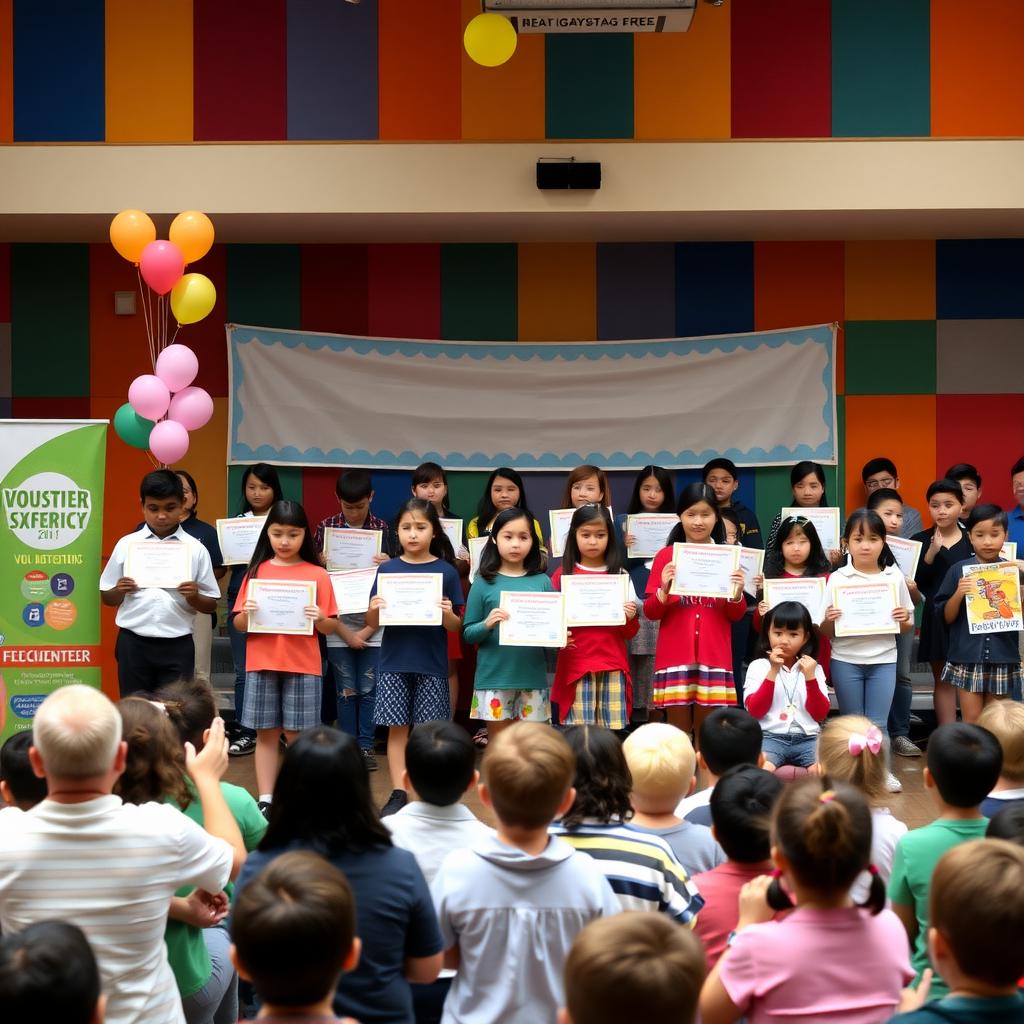
Ways to Boost Engagement: - Highlight the impact of their work with real stories or data. - Offer incentives like certificates or recognition events. - Create leadership roles, such as student volunteer coordinators.
Step 5: Address Logistics and Safety
Logistics can make or break a volunteer program. Plan for transportation, supervision, and scheduling to ensure smooth operations. For off-campus projects, secure parent permissions and arrange safe travel. For on-campus activities, like a school beautification day, coordinate with facilities staff.
Safety is non-negotiable. Train students on safety protocols, like proper tool use for cleanups or confidentiality when working with vulnerable populations. The American Red Cross provides excellent resources for volunteer safety training that schools can adapt.
Logistical Checklist: - Create a schedule that fits school hours and student availability. - Secure funding or donations for supplies, if needed. - Assign adult supervisors for every activity.
Step 6: Evaluate and Celebrate Success
To sustain a volunteer program, evaluate its impact regularly. Collect feedback from students, teachers, and community partners to identify what’s working and what needs improvement. Track metrics like volunteer hours, projects completed, or community members served.
Celebrate successes to keep momentum. Host an annual volunteer fair to showcase student achievements or share stories in school newsletters. Recognition builds pride and encourages ongoing participation.
Evaluation Methods: - Surveys to gauge student and partner satisfaction. - Reflection essays to assess learning outcomes. - Community impact reports to share with stakeholders.
Overcoming Common Challenges
Volunteer programs aren’t without hurdles. Time constraints, lack of funding, or student disinterest can derail efforts. To address these, start small with pilot projects, like a single class volunteering locally, before scaling up. Secure grants or partner with businesses for funding. Engage reluctant students by tying projects to their interests, like sports or technology.
I recall a school struggling with low participation until they let students design a tech-driven fundraiser for a local animal shelter. The project went viral in their community, proving that creativity can overcome resistance.
Solutions to Common Issues: - Limited Time: Integrate volunteering into class time or after-school clubs. - Funding: Apply for grants from organizations like Learn and Serve America. - Engagement: Use social media to share student stories and build excitement.
Summary
Implementing volunteer programs in schools is a rewarding way to foster service learning and civic engagement. By setting clear goals, partnering with communities, integrating volunteer work into curriculums, and celebrating successes, schools can create impactful programs that benefit students and society. Start small, stay organized, and watch your students grow into active, compassionate citizens.