How to Manage Non-profit Finances Like a Pro
Learn the best practices for managing non-profit finances, including budgeting, fundraising, financial reporting, compliance, and board governance.
4 min read

Managing finances in a non-profit organization is crucial for its sustainability and impact. Unlike for-profit businesses, non-profits rely on donations, grants, and other funding sources to carry out their mission. Effective financial management ensures that these resources are used wisely and transparently, building trust with donors and stakeholders. This article will guide you through the best practices to handle non-profit finances like a pro, covering budgeting, fundraising, financial reporting, compliance, and the role of the board.

Budgeting: The Foundation of Financial Management
Budgeting is the cornerstone of financial management in non-profits. A well-crafted budget serves as a roadmap for your organization's financial activities, helping you plan expenses, allocate resources, and ensure that you have enough funds to achieve your mission.
Creating a Realistic Budget
- Gather historical financial data and project future revenues and expenses.
- Involve key stakeholders, such as board members, staff, and volunteers.
- Be realistic in your projections, basing them on actual data.
- Consider different scenarios to prepare for uncertainties.
Monitoring and Adjusting the Budget
- Review your budget regularly to track progress and identify variances.
- Investigate significant deviations and make adjustments as needed.
- Remember, a budget is a living document that should be updated.
Using Technology for Budgeting
- Leverage budgeting software or tools to streamline the process.
- Many non-profit accounting software packages include budgeting features.
Example: Budget Template
| Category | Projected | Actual |
|---|---|---|
| Revenue | $100,000 | $95,000 |
| Expenses | $90,000 | $88,000 |
| Net | $10,000 | $7,000 |
This template can be expanded to include more detailed categories.

Fundraising: Fueling Your Mission
Fundraising is the lifeblood of non-profit organizations. Without adequate funding, it's impossible to carry out your mission. Effective fundraising strategies can help you attract and retain donors, secure grants, and generate revenue from events and campaigns.
Grant Writing
Research and apply for grants from foundations, corporations, and government agencies that align with your mission. Craft compelling proposals that clearly articulate your organization's goals, impact, and financial needs.
Donor Cultivation
Build relationships with individual donors through personalized communication, such as thank-you notes and updates on your work. Show appreciation for their support and involve them in your organization's activities.
Events
Organize fundraising events, such as galas, auctions, or virtual campaigns, to engage the community and raise funds. Partner with local businesses or sponsors to increase visibility and support.
Online Campaigns
Leverage social media and crowdfunding platforms to reach a wider audience. Share compelling stories and images that showcase your organization's impact.
Diversifying Funding Sources
To reduce financial risk, diversify your funding sources. Aim for a mix of grants, individual donations, events, and other revenue streams.
Volunteers can be invaluable in fundraising. They can help organize events, reach out to donors, and spread the word about your campaigns. Provide them with the necessary training and support to be effective ambassadors for your organization.

Financial Reporting: Transparency and Accountability
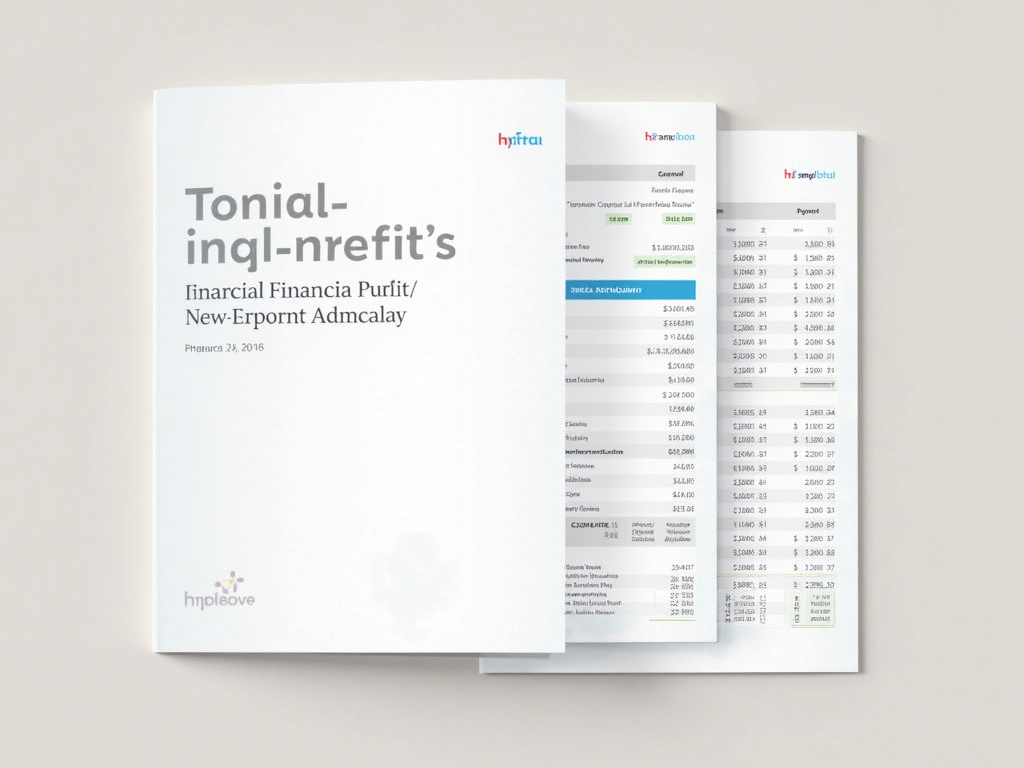
Financial reporting is essential for maintaining transparency and accountability in non-profits. Stakeholders rely on accurate financial information to assess your organization's health and impact.
Preparing Financial Statements
Produce regular financial statements, such as balance sheets and income statements, at least quarterly.
Conducting Audits
Hire an independent auditor to review your financial records and provide an objective assessment.
Complying with Accounting Standards
Follow Generally Accepted Accounting Principles (GAAP) or other relevant standards for non-profits.
Sharing Reports with Stakeholders
Make your financial reports easily accessible, such as on your website or in annual reports.
Financial Literacy for Board and Staff
Ensure that your board members and key staff understand financial reports and can make informed decisions.
Key Financial Indicators
Monitor indicators like the current ratio and program expense ratio to assess financial health.
Compliance: Staying Legal and Ethical
Compliance with legal and regulatory requirements is crucial for non-profits to maintain their tax-exempt status and avoid penalties.
Filing Annual Reports
Submit required forms like Form 990 to the IRS and state agencies.
Adhering to Donor Restrictions
Use funds as specified by donors and provide documentation if needed.
Following Employment Laws
Comply with labor laws, including minimum wage and overtime.
Maintaining Proper Records
Keep accurate records of financial transactions and board minutes.
Staying Informed
Stay updated on changes in laws and regulations that affect non-profits.

The Importance of Non-profit Board Governance
The board of directors plays a critical role in overseeing the financial health of a non-profit organization.
Board Responsibilities
- Approve the annual budget and monitor financial performance.
- Review financial reports and ensure compliance.
- Set financial policies and hire the executive director.
Financial Oversight
Board members should understand financial reports and ask questions when needed.
Finance Committee
Consider establishing a finance committee for in-depth oversight.
Recruiting Board Members
Look for individuals with diverse skills, including financial management.
Board members are often volunteers who bring their expertise to guide the organization.
Personal Insights: Lessons from the Field
Over the years, I've worked with several non-profits and learned valuable lessons about financial management. One memorable experience was with a small community organization that was struggling financially. By creating a detailed budget and diversifying funding sources, they increased revenue by 30% within a year. Another lesson is the importance of transparency—sharing financial reports openly builds trust with donors. These experiences taught me that with the right tools and knowledge, any non-profit can manage its finances effectively.
Summary
Managing non-profit finances requires planning, execution, and oversight. By following best practices in budgeting, fundraising, financial reporting, compliance, and board governance, you can ensure your organization's financial health and maximize its impact. Remember to involve stakeholders, use technology, and stay informed about legal requirements. As Warren Buffett once said, 'It takes 20 years to build a reputation and five minutes to ruin it.' Protect your organization's reputation by managing finances wisely.