How to Network Effectively as a Volunteer
Discover practical strategies to build meaningful connections while volunteering. This guide covers advocacy volunteer roles and responsibilities, tips for effective networking, and real-world insights to help you grow your professional circle through volunteer work.
5 min read

Overview
Volunteering offers more than just giving back—it’s a powerful way to build your network. Learn how to network effectively as a volunteer, from choosing roles to making lasting connections, all while supporting causes you care about.
Why Volunteer Work Boosts Your Network
Volunteering puts you in touch with like-minded people. You meet folks from all walks of life who share your passion for a cause. This shared purpose makes conversations easy and genuine. Over time, these chats can turn into strong professional ties.
Think about it: when you work side by side on a project, you see each other’s strengths. You build trust naturally. That’s harder to do at a quick networking event. Plus, volunteer groups often include leaders and experts in fields like nonprofit management or community outreach.
In my experience, some of my best contacts came from volunteer shifts. I once helped organize a food drive and ended up connecting with a mentor who guided my career for years. It wasn’t forced; it just happened through teamwork.
Get Ready to Network Before You Start
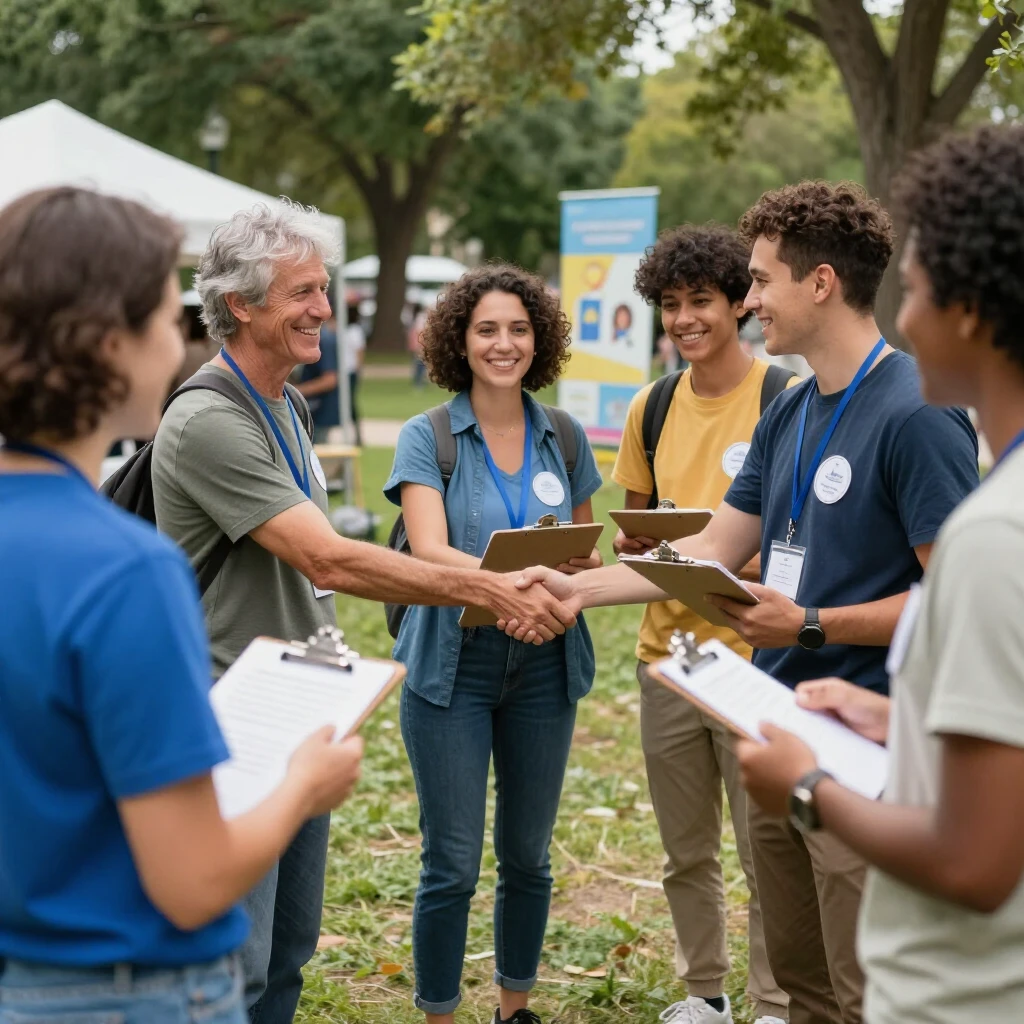
Start by picking the right volunteer spot. Look for roles that match your interests and skills. This way, you’ll meet people in your field or related areas.
Research organizations online. Check sites like VolunteerMatch or Idealist.org for openings. Read about their missions. See if they focus on areas like environmental protection or education.
Set clear goals. Ask yourself: What do I want from this? Maybe you aim to learn new skills or meet potential employers. Write down three goals to keep you focused.
Prepare your story. Practice a short intro about yourself. Say why you volunteer and what you do professionally. Keep it simple and friendly.
Dress the part. Wear comfortable clothes that fit the activity, but look neat. You never know who you’ll meet.
Explore Advocacy Volunteer Roles and Responsibilities
Advocacy stands out as a great way to volunteer and network. In advocacy, you push for change on issues like health care or human rights. Advocacy volunteer roles and responsibilities often include raising awareness, contacting lawmakers, and organizing events.
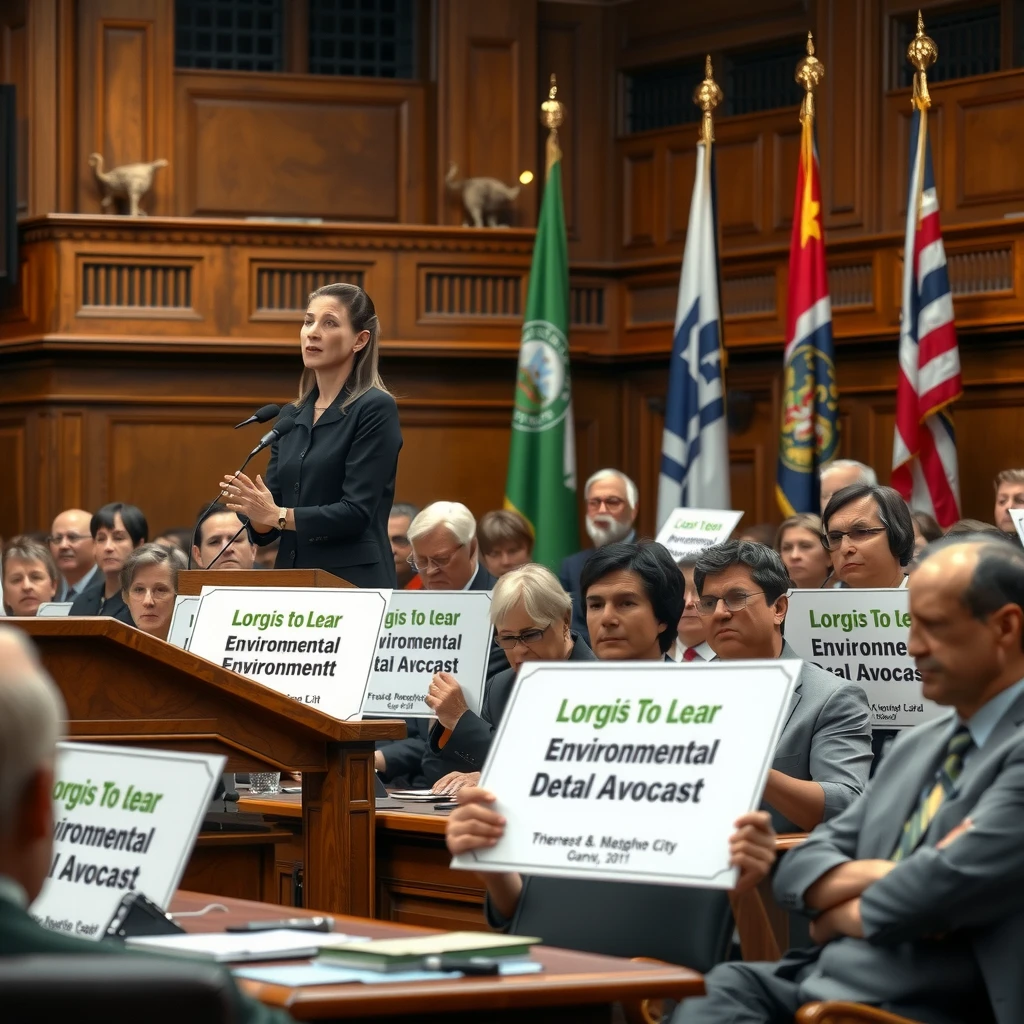
For example, you might write letters to officials or speak at public meetings. These tasks build your public speaking and leadership skills. They also connect you with influencers in policy and community leadership.
According to the Independent Sector, advocacy is a form of volunteerism that lets anyone get involved in policy issues.[12] It’s accessible and impactful. Start with groups like Amnesty International or local chapters of the Sierra Club.
Responsibilities can vary. Some roles involve logistical support, like setting up events. Others focus on direct support, such as helping clients voice their needs. This variety lets you choose what fits your strengths.
In advocacy, you often work in teams. This setup encourages sharing ideas and contacts. I volunteered in an advocacy campaign for clean water. We lobbied city council, and I met journalists and activists who later invited me to other projects.
Tips for Finding Advocacy Opportunities
- Search Locally: Check community centers or libraries for advocacy groups.
- Use Online Platforms: Sites like VolunteerHub list roles with clear descriptions.[1]
- Network with Government: Connect with local officials for volunteer leads.
- Join Community Groups: Groups like Kiwanis or religious organizations often need advocates.
Pick roles that align with your passions. If you care about education, volunteer to advocate for school funding.
Make Connections During Your Volunteer Time
Show up on time and ready to help. Reliability impresses people and opens doors.
Listen more than you talk. Ask questions about others’ experiences. "What drew you to this cause?" is a great starter.
Offer help beyond your assigned task. If someone needs a hand with setup, jump in. This shows teamwork and makes you memorable.
Share your skills. If you’re good at social media, suggest ways to promote the event. This positions you as valuable.
Attend social parts. Many volunteer shifts end with chats or meals. Use these to deepen connections.
Be genuine. People spot fakes. Focus on the cause first; networking follows naturally.
In one volunteer role, I helped at a shelter. By chatting during breaks, I learned about job openings from fellow volunteers. It led to an interview.
Networking Strategies for Different Personality Types
| Personality Type | Strategy |
|---|---|
| Introvert | Start with one-on-one talks. Prepare questions ahead. |
| Extrovert | Lead group activities. Introduce people to each other. |
| Analytical | Share data or insights on the cause to spark discussions. |
| Creative | Suggest fun ways to engage, like art for advocacy. |
Adapt these to fit you. Networking works best when it feels natural.
Follow Up After Volunteering
Don’t let connections fade. Send a quick email or message within a week. Thank them for the experience and mention something specific you discussed.
Connect on LinkedIn. Add a personal note: "Great working with you at the park cleanup!"
Suggest a coffee meetup if it feels right. Keep it casual: "I’d love to hear more about your work in advocacy."
Stay involved. Sign up for more shifts. Consistent presence builds stronger ties.
Track your contacts. Use a simple app or notebook to note details and follow-ups.
From my advocacy volunteering, following up turned casual chats into ongoing mentorships. One contact even referred me for a paid role.

Avoid Common Networking Mistakes
Don’t push too hard. If you focus only on what you can get, people notice. Give first.
Skip the sales pitch. Volunteer time isn’t for promoting your business.
Forget assumptions. Not everyone wants to network professionally. Read the room.
Avoid ignoring follow-ups. A quick note keeps the door open.
Don’t limit yourself. Talk to everyone, not just leaders. Peers can become valuable contacts too.
I once made the mistake of not following up after a great event. I lost touch with promising leads. Lesson learned: act fast.
Personal Insights from Years of Volunteering
Over the years, volunteering has shaped my network more than any conference. In advocacy roles, I learned to speak up confidently. Responsibilities like organizing petitions taught me project management.
One standout experience: Advocating for affordable housing. I met architects, lawyers, and activists. We shared stories over lunches, leading to collaborations.
Volunteering also builds resilience. Dealing with setbacks, like a failed campaign, strengthens bonds with your team.
Remember, every volunteer is there for a reason. Tap into that shared drive. It creates authentic connections that last.
Summary
Networking as a volunteer combines purpose with professional growth. Choose roles wisely, engage actively, and follow up. Focus on advocacy volunteer roles and responsibilities for impactful opportunities. Start small, stay consistent, and watch your network grow.
For more on volunteering and networking, check the recommended readings below.