How to Organize Successful Volunteer Events: A Practical Guide to Volunteerism and Community Action
Master how to organize successful volunteer events with this step-by-step guide. Discover actionable tips that blend volunteerism and community action: making a difference, plus proven strategies for volunteer advocacy initiatives for social change and effective advocacy.
5 min read
Volunteer events have the power to unite people and spark real change. This complete guide on how to organize successful volunteer events walks you through every step—from planning to follow-up—so you can create experiences that boost volunteerism and community action: making a difference in your neighborhood and beyond.
Whether you are a first-time organizer or a seasoned leader, these practical strategies will help you avoid common pitfalls and deliver events that inspire lasting impact. You will learn simple ways to turn good ideas into successful gatherings that people remember and want to join again.
From local park cleanups to awareness campaigns, well-run volunteer events strengthen communities. In my experience supporting dozens of organizers over the years, the events that succeed share one thing: clear planning paired with genuine passion.
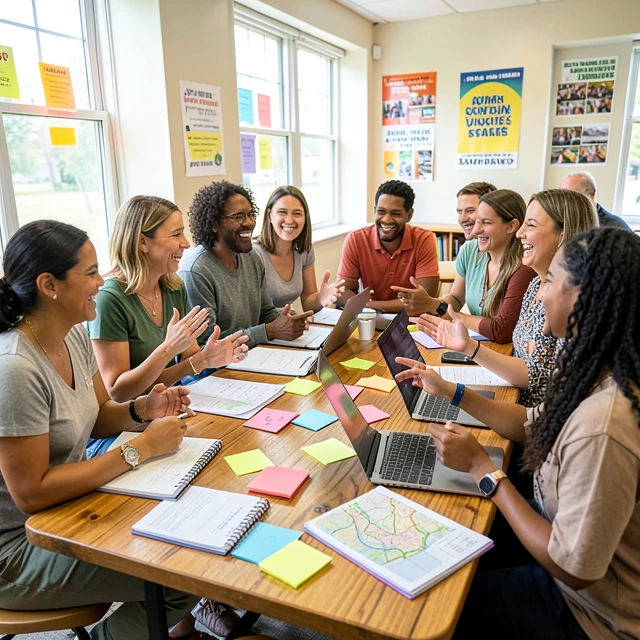
Why Volunteer Events Make a Real Difference
Volunteer events do more than complete tasks. They build connections, raise awareness, and create momentum for bigger causes. When people work side by side, they feel part of something larger than themselves.
These gatherings support volunteerism and community action: making a difference that lasts long after the event ends. Participants often leave motivated to continue helping and even start their own initiatives.
Step 1: Set Clear Goals That Matter
Begin by answering one simple question: What change do you want to create? Be specific. Instead of saying "help the environment," aim for "collect 500 pounds of trash from the local river trail."
Clear goals keep everyone focused. They also make it easy to invite the right volunteers and measure success later. Write your goals down and share them early with your planning team.
Include a mix of immediate results and longer-term impact. For example, a cleanup event can also include short talks on protecting local waterways, planting seeds for future volunteer advocacy initiatives for social change.
Step 2: Build a Reliable Team
No one organizes a great event alone. Gather 4–6 committed people who share your vision. Assign clear roles: one person handles logistics, another manages volunteers, and someone focuses on promotion.
Meet regularly but keep meetings short and action-focused. Use free tools like shared online documents so everyone stays on the same page without extra stress.
In one event I supported, a small team of five turned a simple idea into a 200-person success because everyone knew exactly what to do.
Step 3: Choose the Right Date, Time, and Location
Pick a date that avoids major holidays and competing local events. Weekends often work best for volunteers with daytime jobs. Morning or early afternoon slots usually attract more families.
Select a location that matches your activity—parks for cleanups, community centers for workshops. Check permits early and confirm parking or public transport options so no one feels left out.
Step 4: Recruit and Welcome Volunteers
Spread the word through social media, local newsletters, and community bulletin boards. Be honest about what volunteers will do and how much time it takes.
Create simple sign-up forms that ask only essential information. Send a friendly confirmation email with all details so people feel prepared and excited.
Make first-time volunteers feel special. A quick welcome message or name tag goes a long way toward building loyalty.
Step 5: Promote Your Event and Add Advocacy
Strong promotion brings more hands and eyes to your cause. Share eye-catching photos from past events and clear calls to action.
This is also the perfect moment to weave in advocacy. Tips for effective advocacy include brief educational moments during the event, partnering with local nonprofits, and encouraging participants to share their experience online with a specific hashtag.
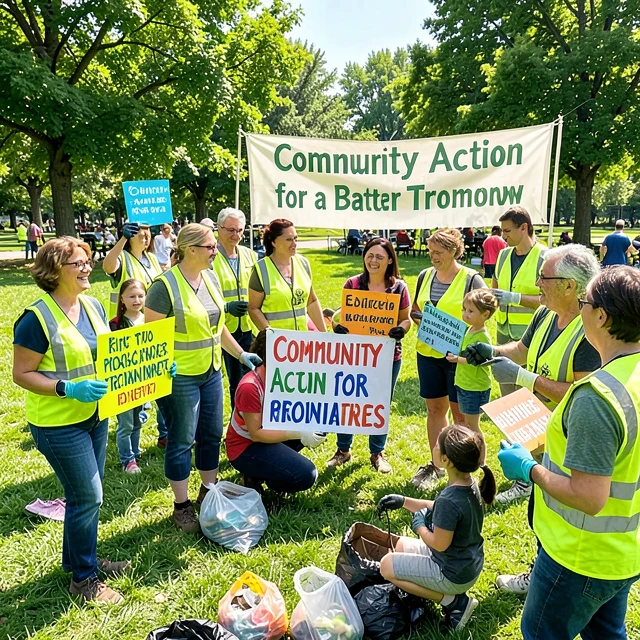
Integrating Volunteer Advocacy Initiatives for Social Change
Volunteer events become even stronger when they include advocacy. You can turn a cleanup into a platform for change by inviting a guest speaker or distributing simple fact sheets.
Focus on one clear message so participants leave informed and ready to act. Many organizers now combine hands-on work with petition drives or letter-writing stations. These volunteer advocacy initiatives for social change create ripples that reach decision-makers.
Keep advocacy optional and respectful. The goal is inspiration, not pressure. When done well, people feel empowered rather than overwhelmed.
Step 6: Handle Logistics Like a Pro
Good logistics mean fewer surprises. Create a simple checklist that covers supplies, safety, food, and weather backups.
Here is a quick example checklist you can adapt:
| Item | Why It Matters | Who Handles It |
|---|---|---|
| Safety gear | Keeps everyone protected | Logistics lead |
| Water and snacks | Maintains energy | Volunteer coordinator |
| First-aid kit | Handles minor issues | Designated safety person |
| Sign-in sheet | Tracks attendance | Registration volunteer |
Test everything a week before the event. A quick walk-through catches problems early.
Step 7: Make Event Day Run Smoothly
Start with a short welcome and safety talk. Keep the energy high with music or quick team huddles. Rotate tasks so no one gets tired or bored.
Take plenty of photos and short videos—they become powerful stories for future promotion and show the impact of volunteerism and community action: making a difference.
Step 8: Measure Results and Say Thank You
After the event, collect simple feedback through a one-question survey. Count hours volunteered, items collected, or people reached.
Send personal thank-you notes within two days. Share a summary of the impact with everyone involved. This step turns one-time volunteers into lifelong supporters.
Common Challenges and How to Solve Them
Low turnout? Promote earlier and partner with local groups. Rainy weather? Have an indoor backup plan ready. Burnout? Delegate more and celebrate small wins along the way.
Remember, every organizer faces hurdles. The ones who succeed treat them as learning opportunities rather than failures.
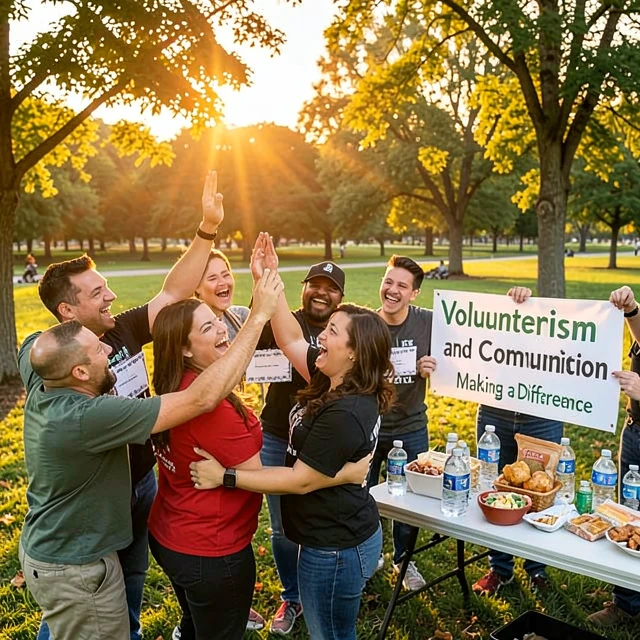
Final Thoughts on How to Organize Successful Volunteer Events
Organizing volunteer events takes effort, but the rewards are enormous. You create connections, solve real problems, and inspire others to join volunteer advocacy initiatives for social change.
Start small, stay consistent, and focus on the people you serve. Every successful event begins with one person who decides to act. That person can be you.