How to Protest Safely: Your Complete Guide to Peaceful and Effective Advocacy
Discover expert tips on How to Protest Safely drawn from trusted sources like the NRDC. Learn preparation, on-site strategies, and long-term steps to join Effective Advocacy Strategies for Beginners while staying protected and making real change.
4 min read
Overview
Protesting lets you turn passion into real action for causes like climate justice and human rights. This guide on How to Protest Safely shares practical steps to prepare, participate, and follow through without putting yourself or others at risk. Whether you are new to the streets or a seasoned voice, these tips help you stay safe and effective.
Why Safe Protesting Matters Now More Than Ever
In today’s world, protests continue to drive change. From environmental rallies to calls for fair policies, people are using their voices to push back against unfair decisions. But safety comes first—especially when emotions run high or police presence is strong.
Drawing directly from How to Protest Safely - https://www.nrdc.org/stories/how-protest-safely, this article expands those core ideas with fresh 2026 insights. You will learn simple, actionable steps that work for beginners and keep everyone protected.
Protesting is not just about showing up. It builds community power and shows elected leaders that citizens care. Studies show peaceful gatherings have shaped major laws on clean air, voting rights, and equality. Yet risks exist—tear gas, arrests, or online tracking. The good news? Smart planning turns those risks way down.
Preparation: Set Yourself Up for Success
Start days ahead. Research the event thoroughly. Check who organizes it, what the goals are, and whether it stays peaceful. Make sure the demands match your values so you feel confident participating.
Use the buddy system. Go with a friend or tell someone at home your plans and expected return time. This simple step has helped countless people stay connected during big crowds.
Pack smart. Bring water, energy snacks like nuts or bars, any daily medicines, cash, and extra masks. Add goggles or glasses if tear gas is possible. Wear comfortable layers, long sleeves, pants, closed shoes, and gloves. Skip flashy clothes or visible tattoos that could make you easy to spot later.
Here is a quick checklist of what to pack:
- Water (extra to share)
- High-energy snacks
- Medications and ID
- Cash and phone charger
- Multiple masks and goggles
- Permanent marker to write emergency contacts on your arm
Protect your phone too. Turn on airplane mode, disable biometrics, and encrypt data. Many experts now recommend leaving your main phone home and using a cheap burner for extra privacy in 2026.
Know your rights. You can film police in public, stay silent beyond giving basic info, and ask for a lawyer. Write legal hotline numbers on your skin with permanent marker. Resources from the ACLU and National Lawyers Guild give free pocket guides you can download.
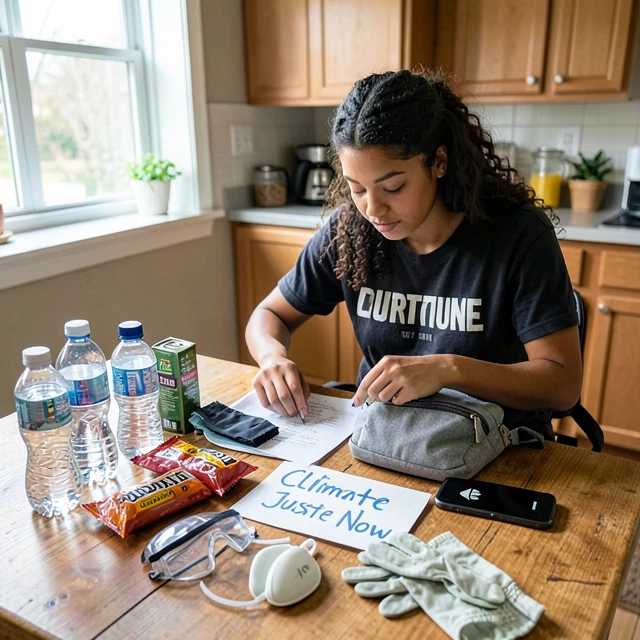
These prep steps come straight from Effective Advocacy Strategies for Beginners - https://www.nrdc.org. They turn nervous first-timers into calm participants who focus on the message instead of worry.
During the Protest: Stay Calm, Stay Together
Follow the organizers. They know the route, chants, and exit plans. Respect their calls to keep things nonviolent and to center voices of people most affected by the issue.
Stay alert. Watch for exits, avoid counter-protesters, and scan for sudden changes. Use the OODA loop—Observe, Orient, Decide, Act—to make quick safe choices under stress.
If police approach, stay peaceful. You have the right to assemble, but dispersal orders may come. Document calmly without blocking others. Never damage property or argue with hecklers.
Protect privacy for everyone. Film police actions if needed, but never post clear faces of fellow protesters online. This small habit keeps the whole group safer from doxxing.
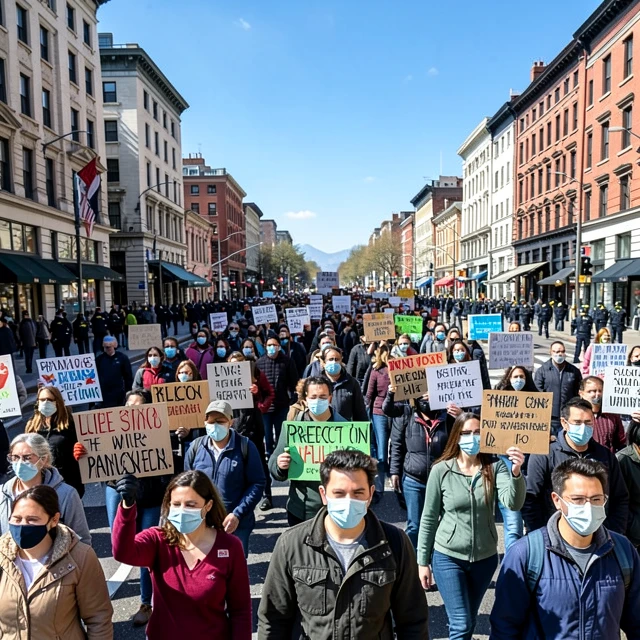
I have covered many rallies, and the safest ones always had clear leadership and mutual respect. People who stayed with their buddies and followed plans left feeling empowered, not exhausted or scared.
After the Protest: Keep the Momentum Going
Help those who need it. Donate to bail funds, drop off supplies, or check on friends. Many cities now list local mutual aid groups online.
Turn one day into lasting change. Call your representatives, sign petitions, or write letters. This is where Advocacy 101: Making Your Voice Heard really shines—small consistent actions add up.
See the bigger picture in How Grassroots Movements Are Shaping Politics. Everyday people have stopped pipelines, passed clean-energy laws, and shifted elections through steady effort. Protesting plants the seed; follow-up grows the tree.
One easy next step is advocacy volunteering in political campaigns. Local offices always need help with phone banks, door knocking, or data entry. You build skills, meet allies, and keep your issues front and center.
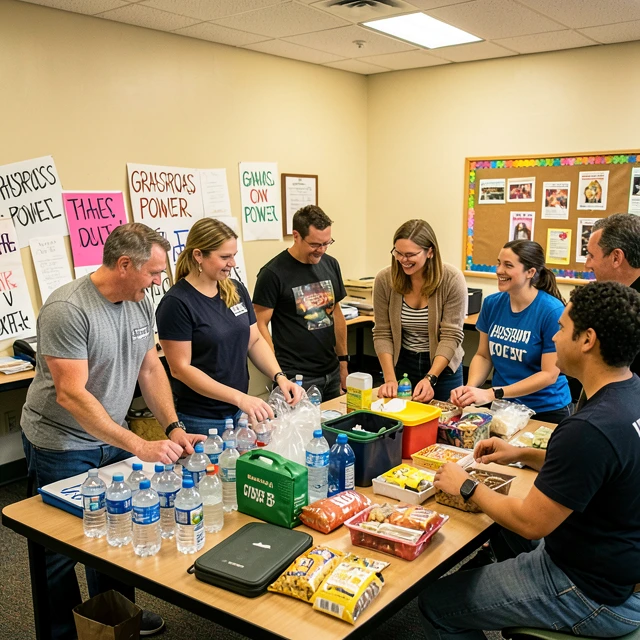
Many first-time protesters tell me the real power hits after they leave the street. One woman I spoke with started with a single march and now leads her neighborhood climate group. She says the safety habits she learned let her keep showing up month after month.
Quick Safety Reminders in a Table
| Situation | Do | Don’t |
|---|---|---|
| Police interaction | Stay calm, film if safe | Argue or run |
| Phone use | Airplane mode, no biometrics | Post faces of others |
| Supplies | Share water and snacks | Bring only one mask |
| Aftermath | Donate to bail funds | Forget to follow up with calls |
These simple rules keep protests powerful and peaceful. They come from years of real events plus updated 2026 advice on digital tracking.
Final Thoughts
Safe protesting combines courage with smart choices. You protect yourself, support your community, and help movements grow stronger. Start small, stay informed, and remember your voice matters.
Ready to take the next step? Check out the resources below and begin your journey today.