How to Recruit Volunteers for Your Advocacy Campaign: A Complete Guide
Learn practical strategies for recruiting volunteers for your advocacy campaign. Discover how to build a passionate team that amplifies your cause and drives real impact in advocacy programs for volunteers.
3 min read
Strong volunteer teams power successful advocacy campaigns. Passionate people can spread your message, organize events, and connect with communities in ways that create lasting change. This guide shares actionable steps to recruit and engage volunteers effectively for your cause.
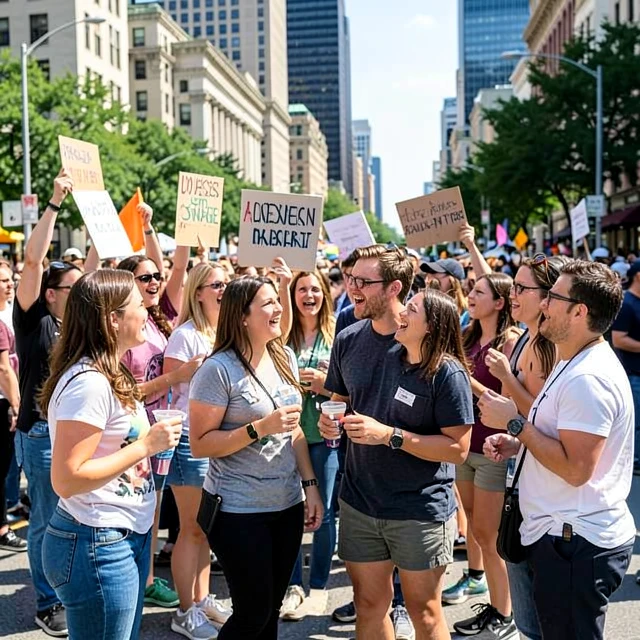
Why Volunteers Matter in Advocacy
Volunteers bring fresh energy, diverse skills, and authentic voices to your advocacy efforts. They help stretch limited budgets while building broader community support. Many people want to make a difference but need a clear invitation and role that fits their life.
In advocacy programs for volunteers, the right team can turn a small initiative into a movement. From phone banking to social media amplification and event staffing, volunteers multiply your reach. The key is recruiting people who truly connect with your mission.
Start with a Solid Recruitment Plan
Successful recruitment begins with planning. Define exactly what you need before reaching out. Ask yourself: What specific tasks do we need help with? How many volunteers? What time commitment works? What skills are essential?
Create a simple document outlining roles, timelines, and goals. This plan keeps everyone aligned and helps measure success later.
Think about both short-term needs like one-day events and longer-term roles such as ongoing campaign ambassadors. Flexibility matters—some volunteers prefer virtual tasks while others enjoy in-person work.

Craft Clear and Compelling Volunteer Roles
Vague calls for help rarely attract committed people. Instead, write detailed position descriptions that excite potential volunteers.
Include these elements in every role description: - The impact their work will create - Specific tasks and time commitment - Required skills or training provided - Location or virtual option - Who they will work with
For example, instead of 'Help with advocacy,' try 'Join our team to call 20 community members per week about upcoming legislation and share personal stories that inspire action.' People respond better when they see how their efforts contribute to real results.
Identify and Segment Your Audience
Not everyone will be a good fit. Focus on people already interested in similar causes. Look at your current supporters, past event attendees, email list, and social media followers.
Segment them by interests, location, age, or past involvement. Personalized outreach works far better than generic blasts. Someone who attended your last rally is much more likely to volunteer than a cold contact.
Effective Ways to Spread the Word
Use multiple channels to reach potential volunteers:
- Social media: Share stories and calls to action with eye-catching visuals
- Email newsletters: Send targeted messages to your list
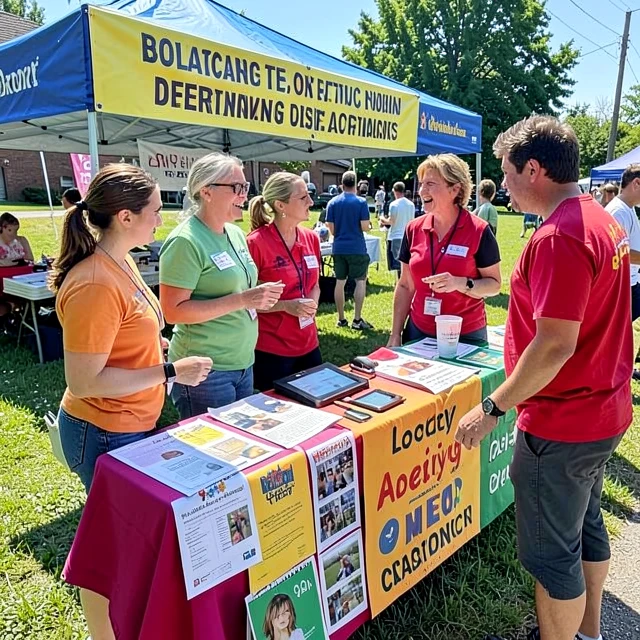
- Community events: Set up tables at local fairs or partner gatherings
- Volunteer platforms: Post opportunities on sites like Idealist.org
- Word of mouth: Encourage current volunteers to invite friends
The article How to Recruit Volunteers for Your Advocacy Campaign - https://www.idealist.org/en/orgs/recruit-volunteers-advocacy-campaign emphasizes using various communication methods to connect with supporters effectively.
Leverage Partnerships and Networks
Build relationships with other organizations, businesses, schools, and faith groups that share your values. Corporate volunteer programs can supply teams for big pushes.
Partner with universities for student volunteers or local businesses for employee engagement days. These partnerships often bring motivated people and additional resources.
Make the Sign-Up Process Simple
Remove barriers. Use easy online forms that take just a few minutes. Send immediate confirmation and next steps. Offer multiple ways to get involved, including micro-volunteering tasks that require minimal time.
Provide Great Training and Support
New volunteers need clear guidance. Offer orientation sessions, written materials, and ongoing support. Pair newcomers with experienced volunteers for mentorship. When people feel prepared and valued, they stay longer and perform better.
Recognize and Appreciate Your Volunteers
Thank people often and specifically. Share success stories showing their impact. Host appreciation events or send personal notes. Public recognition motivates volunteers to continue and recruit others.
Measure and Improve Your Efforts
Track where your best volunteers come from. Ask for feedback regularly. Adjust your approach based on what works. Recruitment is an ongoing process that improves with experience.
Common Challenges and Solutions
Challenge: Low response rates Solution: Personalize messages and highlight impact
Challenge: High turnover Solution: Set clear expectations and provide support
Challenge: Skill gaps Solution: Offer training or create roles for different experience levels
Remember that volunteer recruitment for advocacy takes patience and genuine relationship building. Focus on creating positive experiences that turn one-time helpers into lifelong advocates.
Summary
Recruiting volunteers for your advocacy campaign starts with clear planning and compelling roles. Reach people through multiple channels, make signing up easy, and treat volunteers as valued partners. With consistent effort, you can build a dedicated team that advances your cause powerfully.