How to Start a Service Learning Project: A Comprehensive Guide
Learn how to start a service learning project with this step-by-step guide. Discover the benefits, planning tips, and real-world examples to inspire your own project.
2 min read

Service learning is a powerful way to combine education with community service. It allows students to apply their classroom knowledge to real-world problems while making a positive impact on their communities. If you're wondering how to start a service learning project, this guide will walk you through the process step by step.
What is Service Learning?
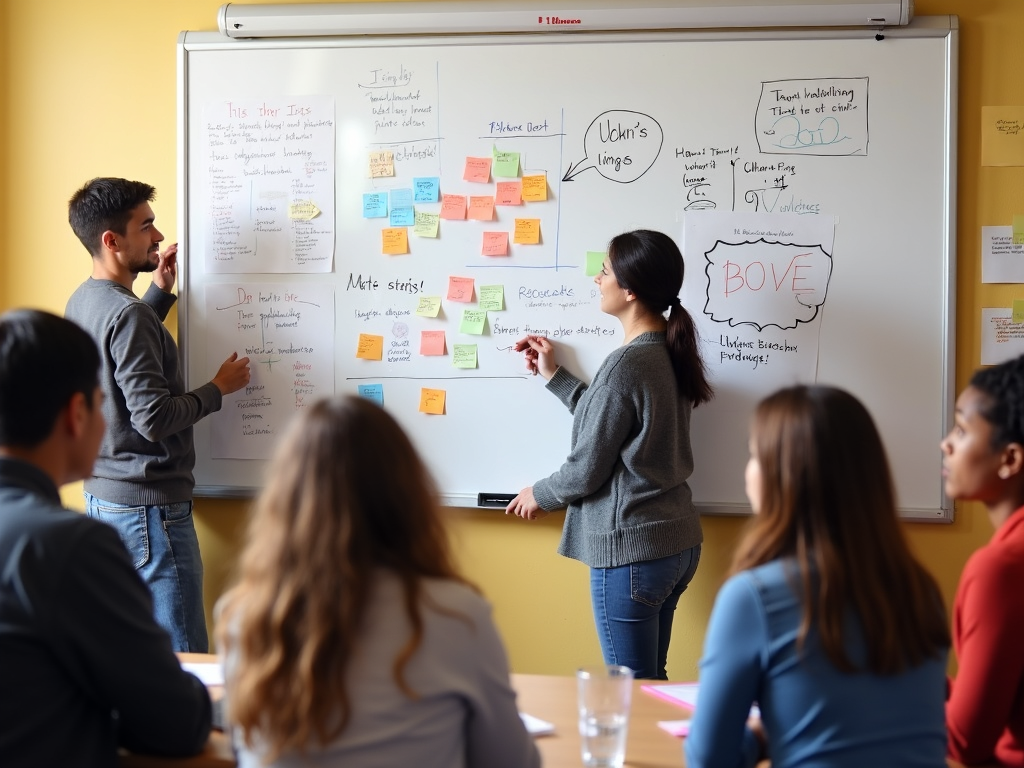
Service learning is an educational approach that integrates community service with academic learning. It goes beyond traditional volunteering by incorporating reflection and structured learning objectives. Students engage in projects that address real community needs while developing critical thinking, problem-solving, and civic engagement skills.
Benefits of Service Learning
- For Students: Develops leadership skills, enhances academic learning, and fosters a sense of social responsibility.
- For Communities: Addresses local needs and builds stronger connections between schools and the community.
- For Schools: Enhances curriculum relevance and improves student engagement.

Steps to Start a Service Learning Project
- Identify Community Needs: Research and identify pressing issues in your community that align with your academic goals.
- Set Clear Objectives: Define what you want to achieve through the project, both in terms of learning and community impact.
- Plan the Project: Develop a detailed plan, including timelines, resources needed, and roles for participants.
- Implement the Project: Carry out the project, ensuring that all activities are aligned with your objectives.
- Reflect and Evaluate: After the project, reflect on the experience and evaluate its impact on both the community and the participants.
Real-World Examples
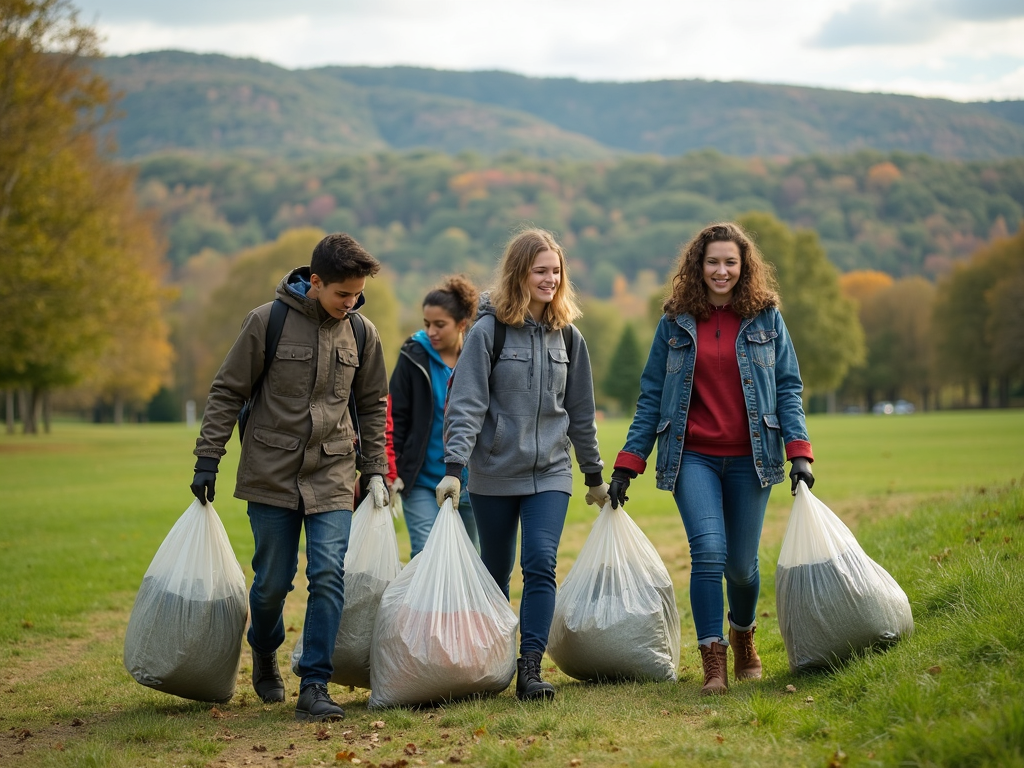
- Environmental Cleanup: Students might organize a local park cleanup, learning about ecology and environmental science while improving their community.
- Tutoring Programs: High school students could tutor elementary students, reinforcing their own knowledge while helping younger students succeed.
- Health Awareness Campaigns: Students could create and distribute informational materials on health issues, applying their knowledge of public health and communication.
Tips for Success
- Collaborate: Work with community organizations and local leaders to ensure your project meets real needs.
- Communicate: Keep all stakeholders informed and involved throughout the project.
- Document: Keep records of your planning, implementation, and outcomes to share with others and for future reference.
Conclusion
Starting a service learning project is a rewarding endeavor that benefits students, schools, and communities alike. By following these steps and tips, you can create a meaningful project that makes a real difference. Remember, the key to a successful service learning project is thoughtful planning, active engagement, and reflective learning.