How to Start a Service Learning Project: A Step-by-Step Guide
Discover how to start a service learning project that combines community service with meaningful education. This comprehensive guide offers actionable steps, real examples, and tips to create impactful experiences for students and volunteers.
3 min read
Overview
Service learning blends hands-on community service with classroom learning. It helps students apply what they study to real-world problems while making a positive difference. If you're wondering how to start a service learning project, this guide walks you through every step.
What Is Service Learning?
Service learning is more than just volunteering. It connects academic goals with community needs. Students volunteer, but they also reflect on their experiences to deepen their understanding.
According to the National Service-Learning Clearinghouse, service learning involves structured opportunities for reflection and reciprocity between learners and the community.
Many people confuse service learning with simple volunteer work. Volunteer efforts are great, but service learning adds an educational layer. You learn from the service as much as you give.

Why Start a Service Learning Project?
These projects build skills like leadership, empathy, and problem-solving. Students often feel more engaged in their studies.
Research from the Corporation for National and Community Service shows that participants in service learning have higher civic engagement and better academic outcomes.
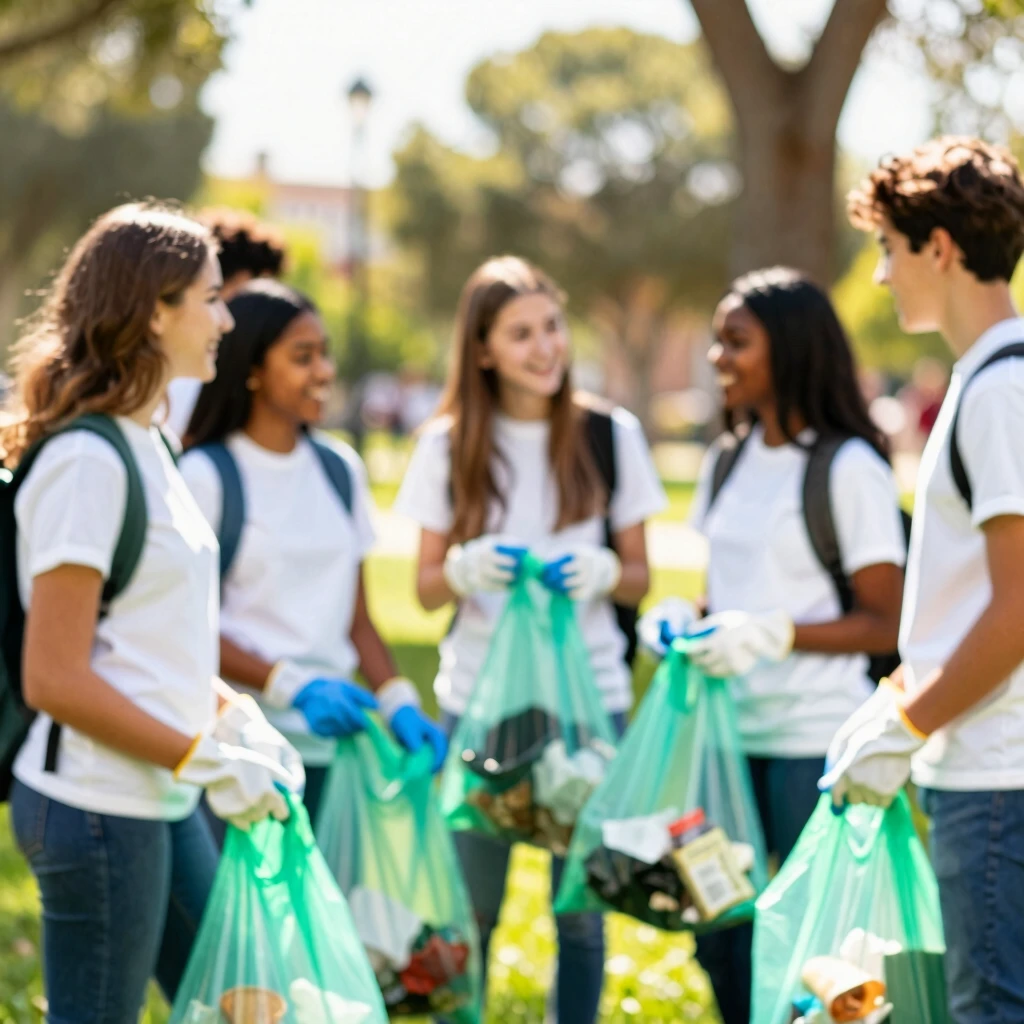
In my experience leading a school group, our environmental cleanup project taught biology concepts in a way textbooks never could. Kids saw the real impact of pollution and felt proud of their contributions.
Step 1: Identify a Community Need
Start by looking around. Talk to local organizations, neighbors, or schools. What problems need help?
Common areas include: - Environmental cleanup - Tutoring children - Food drives for shelters - Senior companion programs
Reach out directly. Visit a food bank or animal shelter. Ask what they need most. This ensures your project fills a real gap.

Step 2: Align with Learning Goals
Tie the service to what you're teaching or learning. For a history class, partner with a museum. Science? Work on water quality testing.
This connection makes the experience educational. Students see how knowledge applies outside school.
Step 3: Plan the Project
Create a clear plan. Set goals, timelines, and roles.
Use this simple checklist:
- Define objectives
- Assign tasks
- Set a budget (often low-cost)
- Plan transportation
- Get permissions if needed
Involve everyone in planning. This builds ownership and excitement.
Step 4: Partner with Organizations
Find reliable partners. Look for established nonprofits or community groups.
Campus Compact offers resources for building strong partnerships in service learning projects.
Step 5: Implement the Service
Put your plan into action. Stay flexible—things might change on the day.
Encourage volunteers to engage fully. Chat with people you help. Listen to their stories.

Step 6: Reflect on the Experience
Reflection is key to service learning. It turns volunteer work into deep learning.
Try these activities: - Journal writing - Group discussions - Presentations - Art or videos about the experience
Ask questions like: What did I learn? How did this change my views? What can I do next?
One student in my project said reflecting helped her understand inequality better than any lecture.
Step 7: Evaluate and Celebrate
Assess what worked and what didn't. Get feedback from participants and partners.
Celebrate successes! Share photos, stories, or host an event. This motivates everyone for future projects.
Common Challenges and Solutions
Not enough time? Start small—one-day events work well.
Low participation? Make it fun and relevant.
Safety concerns? Always prioritize safety training and supervision.
Real Examples of Service Learning Projects
- High schoolers building gardens for food-insecure areas (teaches biology and sustainability)
- College students creating digital literacy classes for seniors
- Middle school volunteer programs at animal shelters (builds responsibility)
These projects show how flexible service learning can be. Anyone can start one.
Final Thoughts
Starting a service learning project takes effort, but the rewards are huge. You help your community while growing personally. Begin small, stay committed, and watch the impact spread.
If you've been thinking about how to start a service learning project, now is the perfect time. Gather a few friends or classmates and take that first step today.