How to Start a Service Learning Project: A Step-by-Step Guide
Learn how to start a service learning project with this comprehensive guide. Discover actionable steps, practical tips, and insights to create impactful volunteer initiatives that benefit your community and foster personal growth.
4 min read
Overview
Starting a service learning project is a rewarding way to make a difference in your community while gaining valuable skills. This guide walks you through how to start a service learning project, from identifying needs to measuring impact, with practical tips drawn from real experiences.
What Is Service Learning?
Service learning combines volunteer work with structured learning objectives. Unlike traditional volunteering, it emphasizes reflection and personal growth alongside community impact. For example, when I helped organize a literacy program for local kids, the real reward was seeing both the students’ progress and my own growth in leadership. It’s about creating a win-win situation.
To start, you need a clear purpose. Are you addressing a specific community issue, like food insecurity or education gaps? The best projects align your passion with a real need. Let’s break down the steps to launch your own service learning project.
Step 1: Identify a Community Need
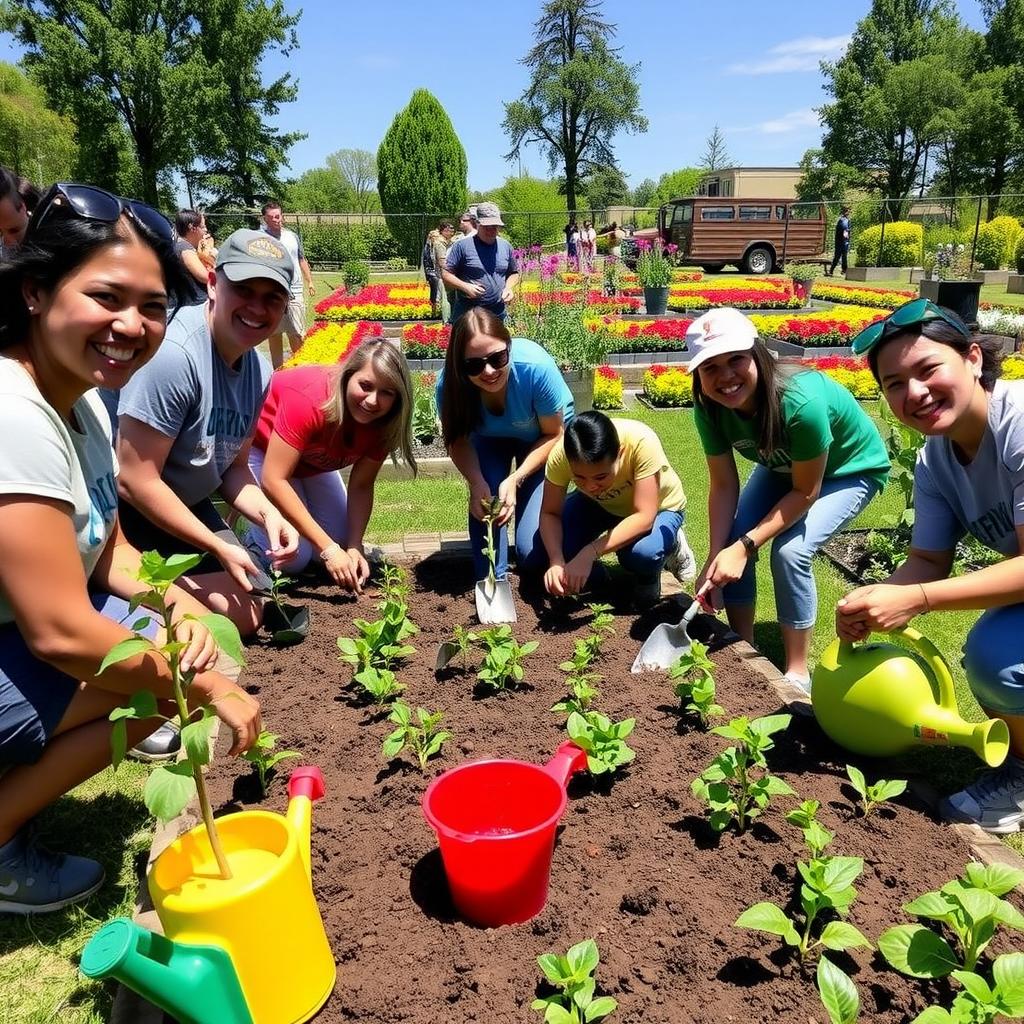
Begin by researching your community. Talk to local organizations, schools, or neighbors to pinpoint pressing issues. For instance, I once attended a town hall where residents voiced concerns about limited access to fresh produce. That sparked a community garden project.
Tips for Identifying Needs: - Visit community centers or libraries. - Check local news for recurring issues. - Use surveys to gather input from residents.
Don’t assume you know what’s needed—ask. Engaging with the community ensures your project is relevant. Websites like VolunteerMatch can help you find existing initiatives to inspire your own.

Step 2: Define Your Goals and Learning Objectives
Once you’ve identified a need, set clear goals for your service learning project. What do you want to achieve? For the community, it might be tangible—like providing 100 meals to families. For yourself, it could be learning project management or teamwork.
Example Goals: | Community Goal | Learning Goal | |----------------|---------------| | Distribute 50 school supply kits | Develop public speaking skills | | Clean up a local park | Learn about environmental conservation | | Tutor 10 students in math | Improve patience and teaching techniques |
Write these goals down. They’ll guide your planning and help you stay focused. Reflecting on my own projects, I found that clear objectives kept everyone motivated, especially when challenges arose.
Step 3: Build a Team
No service learning project succeeds alone. Recruit volunteers who share your passion. Reach out through social media, community boards, or local schools. When I started a tutoring program, I posted flyers at the library and used X to spread the word. Within a week, I had a small but dedicated team.
Recruitment Tips: - Be clear about time commitments. - Highlight the benefits (skills, connections, impact). - Host an info session to attract volunteers.
Make sure your team is diverse in skills and perspectives. A mix of organizers, communicators, and doers makes everything run smoother.
Step 4: Plan and Organize
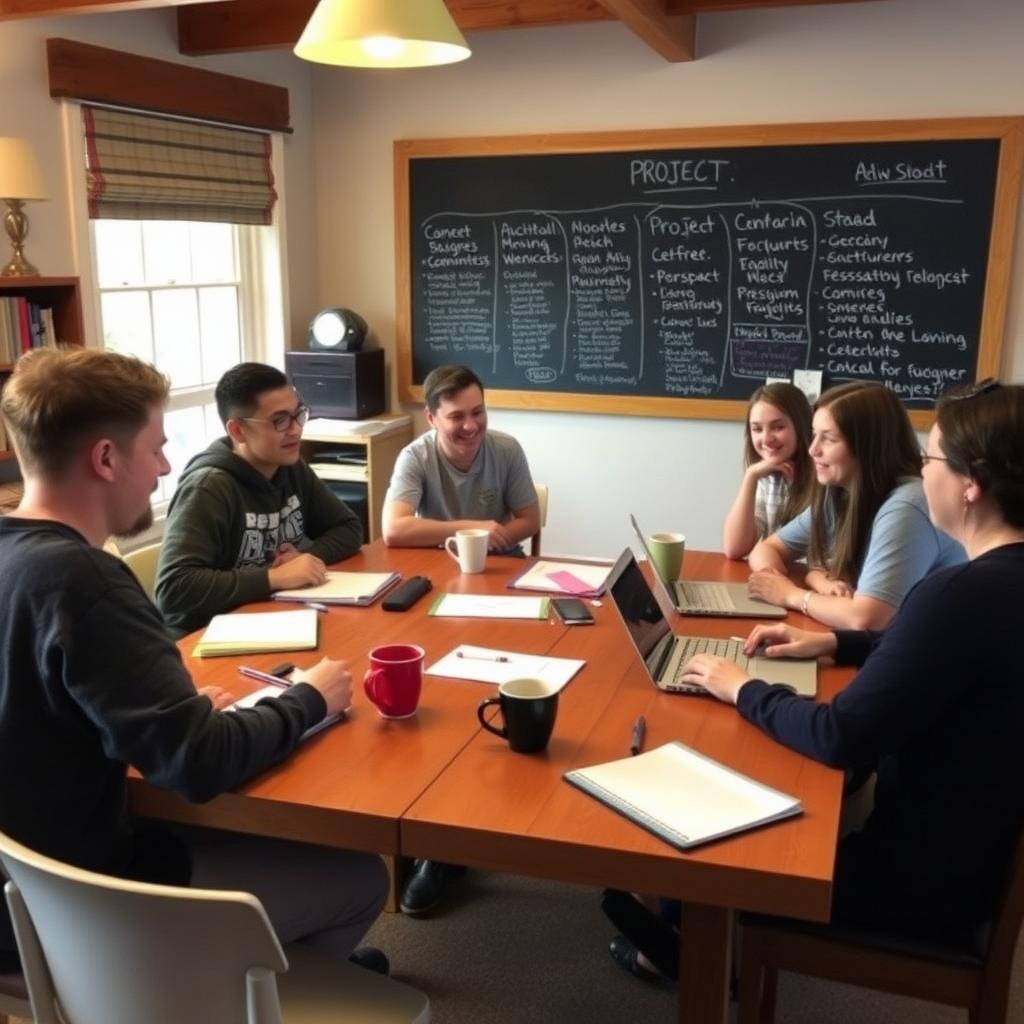
Now, create a detailed plan. Break your project into manageable tasks and assign roles. For example, in the community garden project, we had teams for planting, fundraising, and outreach. Use tools like Trello or Google Sheets to stay organized.
Sample Timeline: 1. Week 1-2: Research and finalize project idea. 2. Week 3: Recruit volunteers and secure resources. 3. Week 4-6: Execute the project. 4. Week 7: Evaluate and reflect.
Secure resources early. This might include funding, materials, or partnerships with local businesses. I once partnered with a hardware store for garden supplies—they donated tools in exchange for a shoutout. Check out Grants.gov for potential funding opportunities.
Step 5: Execute with Flexibility
Launch your project, but be ready to adapt. Unexpected challenges, like bad weather or low turnout, can happen. During one cleanup event I organized, it rained all morning. We pivoted to an indoor sorting task and still made progress. Keep your team motivated and communicate openly.
Engage the community during execution. Invite locals to participate or share updates on X to build momentum. Transparency creates trust and encourages more involvement.

Step 6: Reflect and Evaluate
Reflection is what sets service learning apart from regular volunteering. After your project, gather your team to discuss what worked, what didn’t, and what you learned. I always ask myself: How did this change me? How did it help others? For the literacy program, we realized evening sessions worked better for families, which shaped future events.
Reflection Questions: - Did we meet our goals? - What skills did I gain? - How can we improve next time?
Share your findings with the community. A simple report or social media post can inspire others to start their own projects. It also shows accountability.
Common Challenges and How to Overcome Them
Every service learning project faces hurdles. Here are a few I’ve encountered and how to tackle them: - Low Volunteer Turnout: Offer flexible roles or virtual options. - Limited Funds: Seek in-kind donations or small grants. - Time Constraints: Break tasks into smaller, manageable chunks.
Persistence is key. When our garden project hit a funding snag, we hosted a bake sale. It wasn’t glamorous, but it worked.
Why Service Learning Matters
Service learning projects do more than solve problems—they build connections. You’ll meet people who share your values, gain skills that look great on a resume, and feel the satisfaction of making a difference. For me, every project has been a lesson in empathy and resilience.
Summary
Starting a service learning project is about identifying a need, setting goals, building a team, and reflecting on the impact. With careful planning and a willingness to adapt, you can create meaningful change. Use the steps above to launch your own project and inspire others to volunteer.