How to Start a Service Learning Project: A Step-by-Step Guide
Learn how to start a service learning project with this comprehensive guide. Discover practical steps, tips, and insights to create impactful volunteer projects that benefit communities and inspire change.
4 min read
Overview
Starting a service learning project combines volunteering with meaningful community impact. It’s a hands-on way to address local needs while fostering personal growth and teamwork. This guide walks you through how to start a service learning project, offering practical steps and real-world insights to ensure success.
What Is Service Learning?
Service learning blends volunteer work with structured learning goals. Unlike traditional volunteering, it emphasizes reflection and education, connecting your efforts to broader social issues. For example, tutoring kids in an underserved school isn’t just about teaching—it’s about understanding systemic challenges like educational inequality.
I’ve seen service learning spark change. In my community, a group of students organized a food drive that not only fed families but also taught them about local poverty. The key? It’s intentional, reflective, and community-driven.
Step 1: Identify a Community Need
The first step in how to start a service learning project is finding a real need. Talk to local organizations, schools, or residents to understand what’s lacking. Are there food insecurities? Environmental concerns? Educational gaps?
For instance, when I helped start a project, we noticed a park littered with trash. After speaking with neighbors, we learned it was a safety issue for kids. That insight shaped our cleanup and safety education project.
Tips for Identifying Needs: - Survey the community: Ask locals directly or use online platforms like X to gauge concerns. - Partner with nonprofits: Groups like United Way offer data on local challenges. - Observe your surroundings: Sometimes, needs are visible, like neglected public spaces.
Step 2: Build a Team
No service learning project succeeds alone. Recruit passionate volunteers who share your vision. Reach out to friends, classmates, or colleagues, and use social media to spread the word. Platforms like X are great for finding local volunteers or sharing your cause.
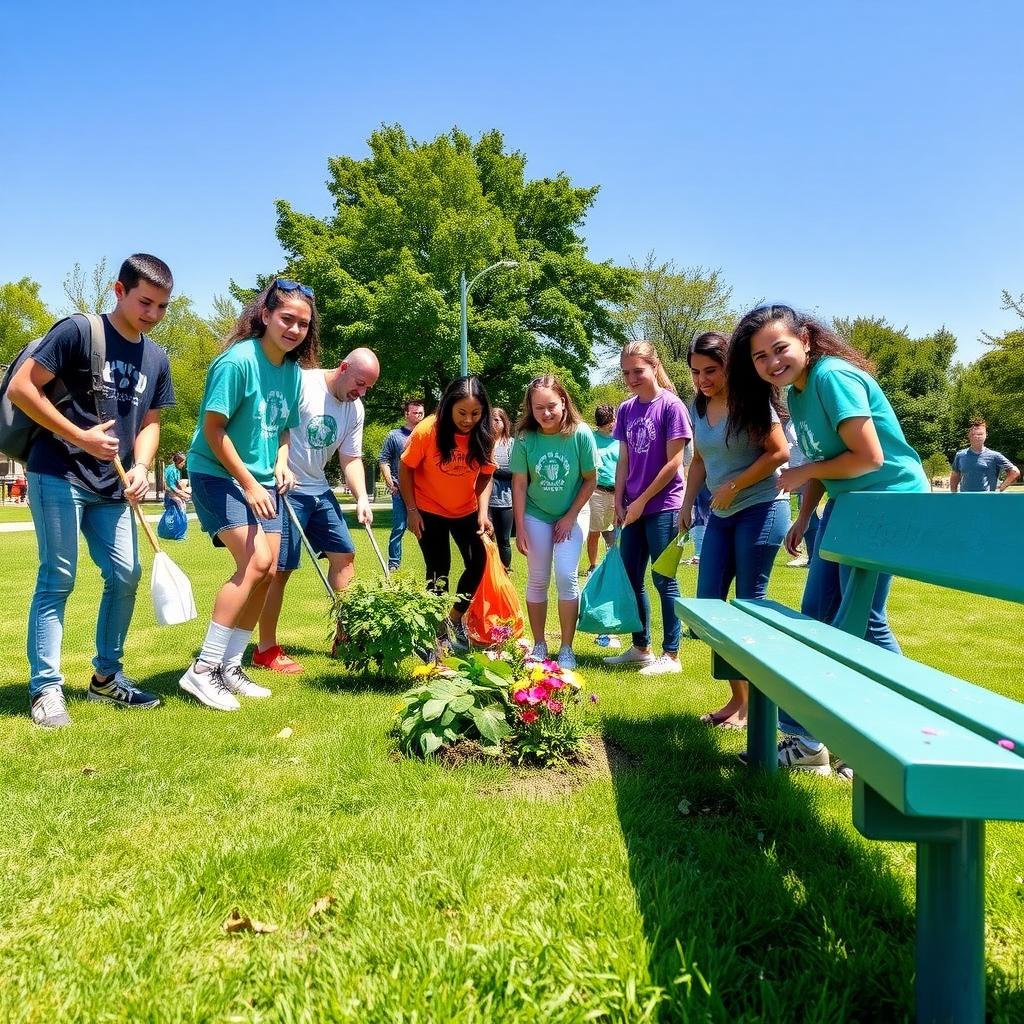
In my experience, diverse teams bring fresh perspectives. Our park project included students, parents, and even a local artist who designed a mural. Everyone’s skills added value.
How to Recruit Volunteers: - Post on community boards or social media. - Host an info session to share your vision. - Offer clear roles (e.g., logistics, outreach, or hands-on work).
Step 3: Set Clear Goals and Objectives
Define what your service learning project aims to achieve. Goals should be specific, measurable, and tied to the community need. For example, “Collect 500 pounds of food for the local pantry” is better than “Help hungry people.”
Reflect on the learning aspect too. What will participants gain? In our park project, we aimed to clean 10 acres and teach volunteers about environmental stewardship. We held a workshop afterward to discuss pollution’s impact.
Sample Goal-Setting Framework: | Goal | Community Impact | Learning Outcome | |------|------------------|-----------------| | Clean 10 acres of park | Safer, usable space | Understand pollution effects | | Tutor 20 students | Improve grades | Learn about educational equity | | Plant 50 trees | Reduce carbon footprint | Study climate change |

Step 4: Plan and Organize
A solid plan keeps your service learning project on track. Break it down into tasks, timelines, and resources. Who’s handling permits? What’s the budget? Where will supplies come from?
When we organized the park cleanup, we created a checklist: secure gloves and bags, coordinate with the city, and schedule volunteer shifts. Planning took time but saved headaches later.
Planning Checklist: - Resources: Identify tools, funds, or donations needed. - Timeline: Set milestones (e.g., “Secure funding by Week 2”). - Partnerships: Collaborate with local businesses or schools for support.
Pro tip: Check out resources like VolunteerMatch for tools and templates to streamline planning.
Step 5: Engage the Community
A service learning project thrives on community buy-in. Involve locals in planning and execution to build trust. Share updates on X or local newsletters to keep everyone informed.
In our project, we invited families to join the cleanup day. Their involvement turned a one-day event into a community tradition. Kids even started a “Keep Our Park Clean” club!
Ways to Engage: - Host a kickoff event to build excitement. - Share progress photos on social media. - Invite feedback to improve future projects.
Step 6: Reflect and Evaluate
Reflection is what makes service learning unique. After the project, gather your team to discuss what worked, what didn’t, and what you learned. This step ties the experience to broader issues.
Our park cleanup ended with a group discussion. Volunteers shared how they felt empowered to tackle bigger environmental issues. We also evaluated our impact: 15 bags of trash collected and a safer park for 200 families.
Reflection Questions: - What challenges did we face? - How did this project affect the community? - What skills or insights did we gain?
Step 7: Sustain the Impact
Great service learning projects don’t end—they inspire ongoing change. Plan ways to keep the momentum going. Could your project become an annual event? Can you train others to continue the work?
After our cleanup, we partnered with a local school to maintain the park. Students now lead monthly cleanups, keeping the space vibrant.
Sustainability Ideas: - Create a guide for future volunteers. - Partner with organizations for long-term support. - Use X to share your model and inspire others.
Summary
Starting a service learning project is about blending action with learning. By identifying needs, building a team, setting goals, and reflecting, you can create lasting change. Follow these steps, stay community-focused, and watch your volunteer efforts transform lives—yours included.