How to Start a Service Learning Project: A Step-by-Step Guide to Meaningful Volunteering
Discover practical steps on how to start a service learning project that combines education and volunteer efforts for lasting community impact. Perfect for students, educators, and anyone ready to make a difference.
5 min read
A Quick Overview
Starting a service learning project opens doors to real change. It mixes hands-on volunteer work with learning goals to solve community needs. Whether you're a student or a community leader, this guide shows you how to start a service learning project step by step. Expect actionable tips, personal stories, and ways to measure your success. Get ready to turn ideas into impact.
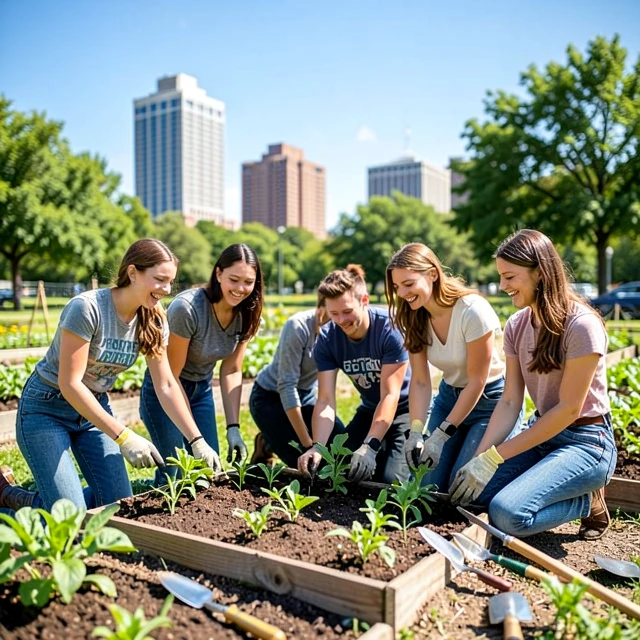
What Is Service Learning, Anyway?
Service learning isn't just picking up trash on a Saturday. It's a structured way to volunteer that ties directly to learning. You address a real community problem while gaining skills and insights. Think of it as volunteering with a purpose.
I remember my first brush with service learning in college. We didn't just hand out food at a shelter; we studied hunger stats, planned nutrition workshops, and reflected on what we learned. That project hooked me. It showed how service learning builds empathy and problem-solving chops.
According to the National Service-Learning Clearinghouse, these projects boost academic performance by 20-30% in involved students. That's no small thing. If you're wondering how to start a service learning project, start by grasping this blend of give and grow.
Why Bother with a Service Learning Project?
You might ask, 'Why not just volunteer the old-fashioned way?' Fair point. But service learning adds layers. It connects your efforts to bigger goals, like school credits or career skills. Plus, it creates lasting change.
From my experience, plain volunteering can feel random. Service learning? It's focused. One project I led taught kids coding while fixing their school's tech lab. The kids gained skills; we gained a sense of purpose.
Benefits include: - Personal Growth: Build confidence and networks. - Community Impact: Solve real issues like literacy or environment. - Skill Building: Learn leadership, budgeting, and teamwork.
A study from the Corporation for National and Community Service found volunteers in structured programs report higher satisfaction rates. It's volunteer work that sticks.
Step 1: Pick Your Passion and Problem
The best projects start with what fires you up. Ask: What bugs me about my community? Hunger? Pollution? Education gaps?
Don't rush. Walk your neighborhood. Talk to locals. I once ignored my gut and picked a 'safe' topic—recycling. It flopped because it didn't excite me. Lesson learned: Passion fuels persistence.
Quick Checklist for Choosing: | Factor | Questions to Ask | |--------|------------------| | Interest | Does this match my skills or hobbies? | | Need | Is there a clear community gap? | | Feasibility | Can I do this in 3-6 months? | | Impact | Will it help 10+ people sustainably? |
Research local needs via sites like VolunteerMatch. This step sets the tone for your entire service learning adventure.
Once you pick, define your goal. Make it SMART: Specific, Measurable, Achievable, Relevant, Time-bound. Example: 'Teach 50 kids basic reading skills in 8 weeks through weekly story sessions.'
My tip? Journal your why. It'll keep you going when doubts creep in.

Step 2: Assemble Your Dream Team
No one succeeds alone. Recruit friends, classmates, or online allies who share your vision. Aim for 4-8 people to keep things nimble.
I built my coding-for-kids team by posting flyers at coffee shops and a quick Facebook group. Diversity matters—bring in tech whizzes, teachers, and organizers.
Recruitment Tips: 1. Share your passion story in pitches. 2. Highlight fun and growth, not just duty. 3. Use tools like Google Forms for interest surveys.
Once together, hold a kickoff meeting. Set roles: leader, planner, outreach lead. Tools like Trello or Slack keep everyone synced. Remember, a strong team turns 'good' projects into great ones.
Step 3: Plan Like a Pro
Planning prevents panic. Map your timeline, budget, and resources.
Start with a simple Gantt chart. Free tools like Canva make it easy.
Sample 3-Month Timeline: - Week 1-2: Research and partner outreach. - Week 3-4: Activity design and material gathering. - Week 5-10: Execution with weekly check-ins. - Week 11-12: Evaluation and wrap-up.
Budget wisely. Most projects run on $100-500. Crowdfund via GoFundMe if needed. Seek freebies from local businesses—donated paint for a mural project saved us hundreds.
Incorporate learning: If for school, align with curriculum. Add reflection journals. This is where service learning shines over basic volunteering.
Pro tip: Partner early. Reach out to nonprofits like Habitat for Humanity for guidance. They offer expertise and sometimes funding. One partnership in my project doubled our reach overnight.
Step 4: Launch and Execute with Heart
Action time! Start small to build momentum.
Train your team on safety and ethics. For volunteer work, get waivers if needed.
During execution, stay flexible. Weather canceled our outdoor clean-up? We pivoted to indoor workshops. Adaptability is key.
Capture moments: Photos (with permission), stories. These fuel your reflections and future pitches.
From my food bank days, the magic happened in unplanned chats with families. Those connections made the hours worthwhile. Focus on people, not perfection.
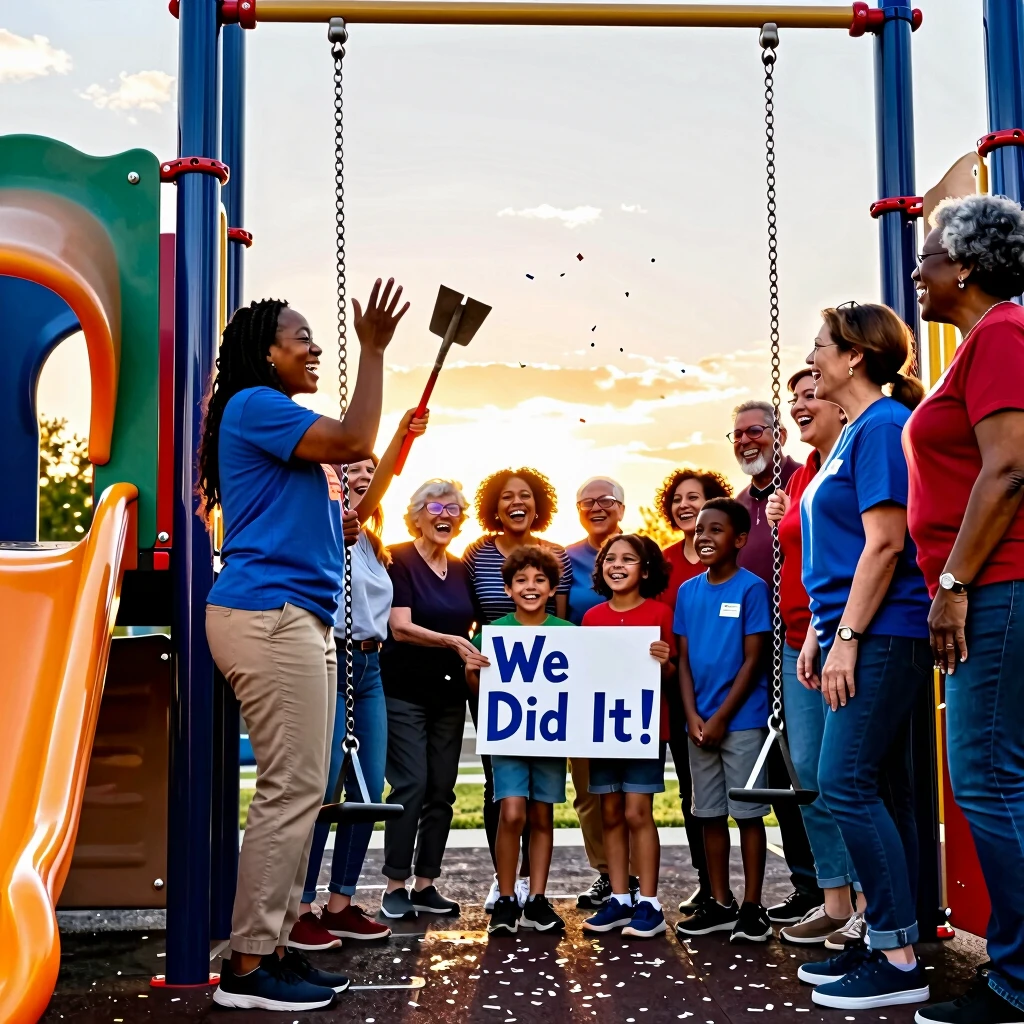
Step 5: Reflect, Evaluate, and Share
Don't stop at 'done.' Reflect to learn.
Host a group debrief: What worked? What flopped? Use surveys for participant feedback.
Metrics matter. Track: - Hours volunteered. - People served. - Skills gained (pre/post quizzes).
Share your story. Blog it, present at school, or post on social media. My team's TEDx-style talk inspired three copycat projects.
The Corporation for National and Community Service emphasizes evaluation for scaling impact. Use it to refine future efforts.
Common Pitfalls and How to Dodge Them
Even pros stumble. Burnout? Schedule breaks. Scope creep? Stick to your SMART goal.
Lack of buy-in? Involve stakeholders from day one. I once pushed a project without community input—big mistake. Now, I co-create.
Funding woes? Start grant hunting early. Sites like Grants.gov list options for service learning initiatives.
Scaling Up: From One Project to a Movement
Once successful, think bigger. Train others to lead. Form a club.
My coding project grew into a yearly camp serving 200 kids. It started with one volunteer spark.
Resources like the Points of Light Foundation offer toolkits for expansion. Dream big—your service learning journey could ripple far.
Wrapping It Up
Launching a service learning project demands effort, but the rewards? Priceless. You've got the roadmap: Pick your cause, build your crew, plan smart, act boldly, and reflect deeply. Whether it's your first or fifth, each step hones your ability to volunteer with purpose.
Ready to dive in? Your community awaits. Start small, stay true, and watch the change unfold. This isn't just about helping others—it's about becoming a better you.