How to Start an Advocacy Campaign: A Step-by-Step Guide
Learn how to start an advocacy campaign with practical steps, from choosing your cause to rallying volunteers. This guide offers actionable advice to make a real impact.
4 min read
Overview
Starting an advocacy campaign can change lives and communities. This guide walks you through the process, from picking a cause to measuring success. With tips on involving volunteers and building momentum, you'll gain the tools to advocate effectively. (38 words)
Advocacy means speaking up for what you believe in. It pushes for change on issues like environmental protection, social justice, or health rights. Anyone can start one—you don't need fancy titles or big budgets. What matters is passion and a plan.
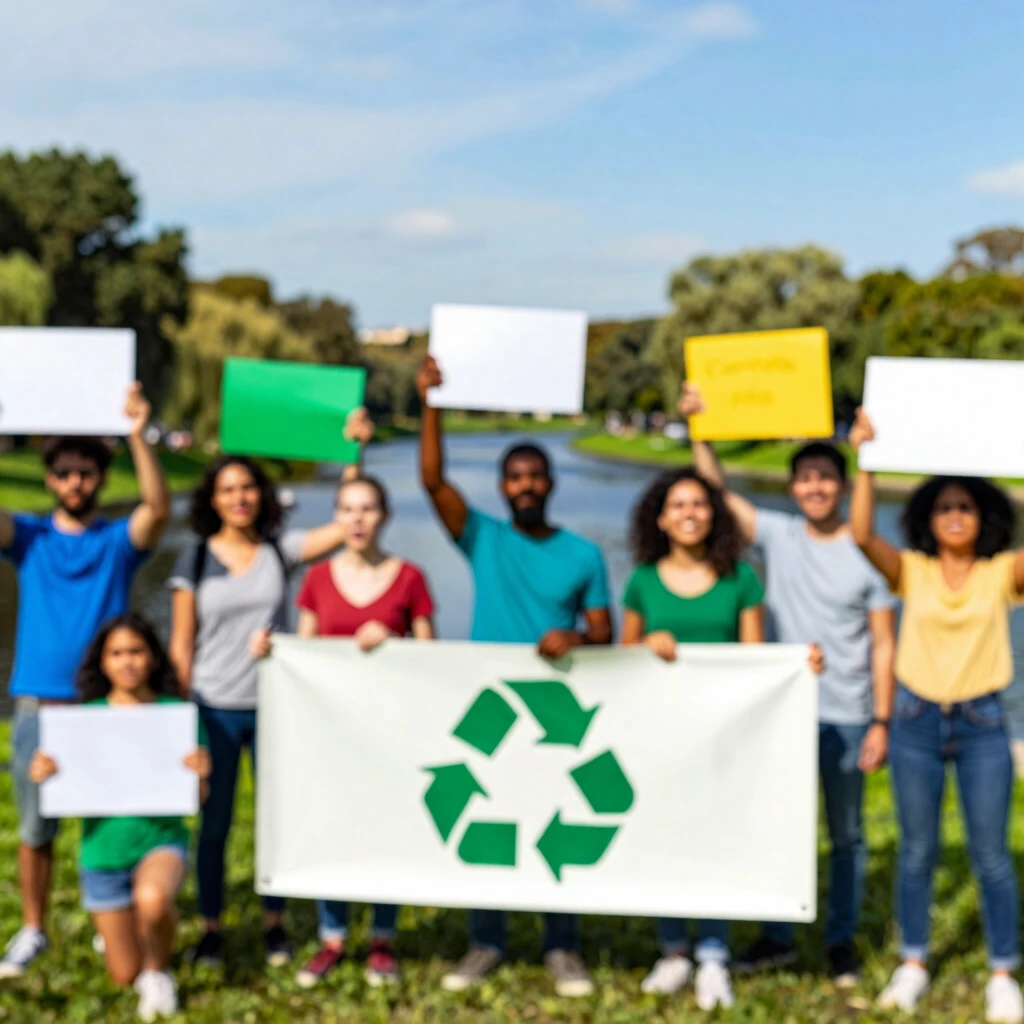
I remember my first advocacy effort. It was a local push to clean up a polluted river. We started small, with just a few friends. But by organizing volunteers and spreading the word, we got the city to act. That experience taught me that real change comes from consistent action.
Step 1: Choose Your Cause
Pick something close to your heart. Ask yourself: What problem keeps me up at night? Is it climate change, animal rights, or education access? Focus on one issue to keep things manageable.
Research the problem. Look at data from reliable sources. For example, check reports from organizations like Amnesty International or the World Health Organization. Understand the root causes and who it affects.
Make sure your cause is specific. Instead of 'fight poverty,' aim for 'provide school supplies to low-income kids in your town.' This makes goals clearer and easier to achieve.

Step 2: Set Clear Goals
Define what success looks like. Use SMART goals: Specific, Measurable, Achievable, Relevant, Time-bound. For instance, 'Collect 1,000 signatures for a petition in three months.'
Break goals into short-term and long-term. Short-term might be hosting an event; long-term could be influencing policy. Track progress to stay motivated.
In my river cleanup campaign, our goal was to remove 500 pounds of trash in one day. We exceeded it, which boosted our team's spirit.
Step 3: Build Your Team
You can't do it alone. Recruit volunteers who share your passion. Start with friends and family, then expand to community groups.
Use social media to spread the word. Post about your cause and ask for help. Platforms like Facebook and Instagram work well for finding volunteers.
Assign roles based on strengths. Some people excel at organizing events, others at graphic design or public speaking. Make everyone feel valued.
Here's a simple table to help assign roles:
| Role | Responsibilities | Ideal Skills |
|---|---|---|
| Leader | Oversee planning | Organization, motivation |
| Communicator | Handle social media | Writing, creativity |
| Event Planner | Organize gatherings | Logistics, detail-oriented |
| Fundraiser | Seek donations | Persuasion, networking |
| Volunteer Coordinator | Recruit and manage helpers | People skills, empathy |
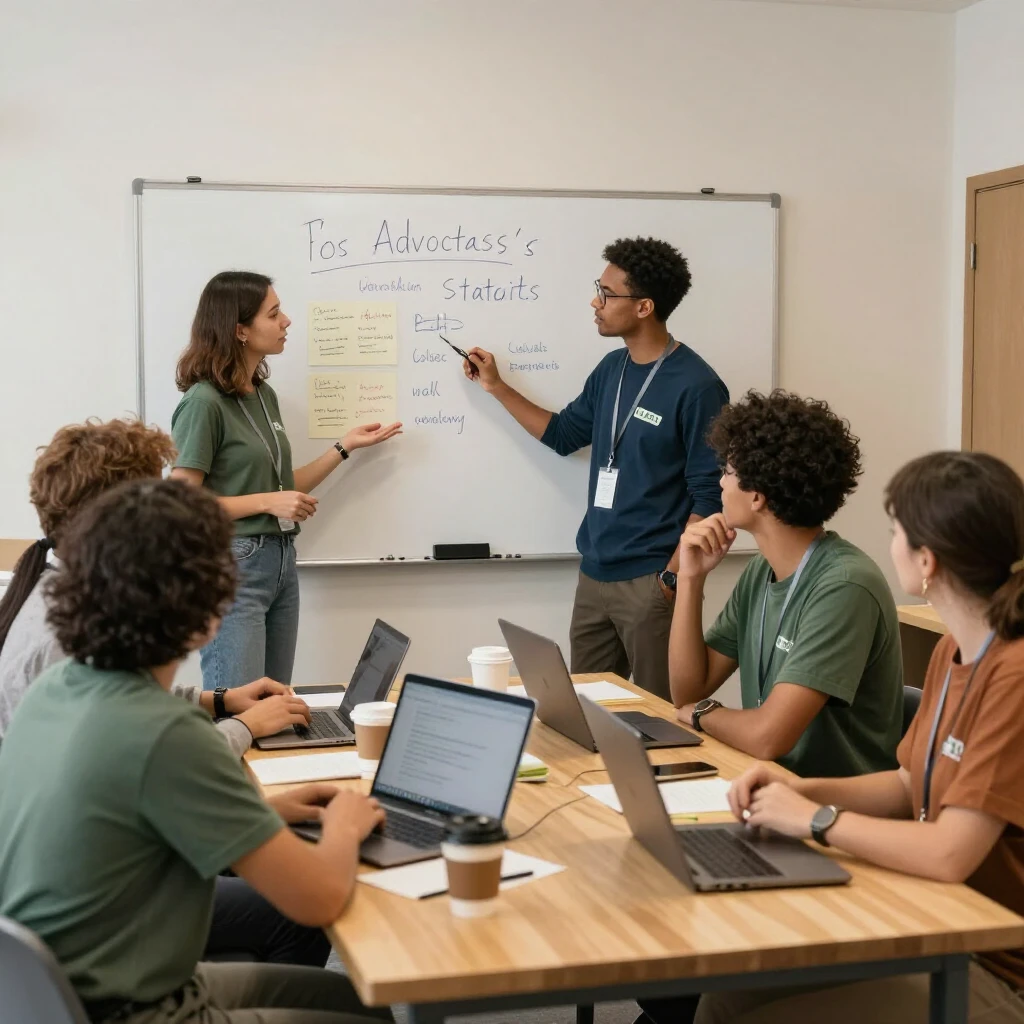
Train your team. Hold meetings to discuss strategies and share skills. This builds unity and prepares everyone for challenges.
Step 4: Develop a Strategy
Map out your plan. Decide on tactics like petitions, rallies, or social media campaigns. Mix online and offline efforts for wider reach.
Identify your audience. Who needs to hear your message? It could be lawmakers, businesses, or the public. Tailor your approach to them.
Budget wisely. Advocacy doesn't require much money, but plan for costs like printing flyers or renting space. Seek donations or grants from foundations.
Create a timeline. List key milestones, like launching a website or holding your first event. Use tools like Google Calendar to stay on track.
From my experience, flexibility matters. When bad weather canceled our outdoor event, we shifted online and reached more people.
Step 5: Spread the Word
Communication is key. Craft a clear message that explains the problem and your solution. Keep it simple and emotional.
Use multiple channels. Post on social media, send emails, and talk to local media. Hashtags can help, like #StartAdvocacy or #VolunteerForChange.
Partner with influencers or organizations. They can amplify your voice. For example, team up with a local nonprofit for shared events.
Engage your community. Host workshops or town halls. Listen to feedback and adjust your campaign.
Step 6: Take Action
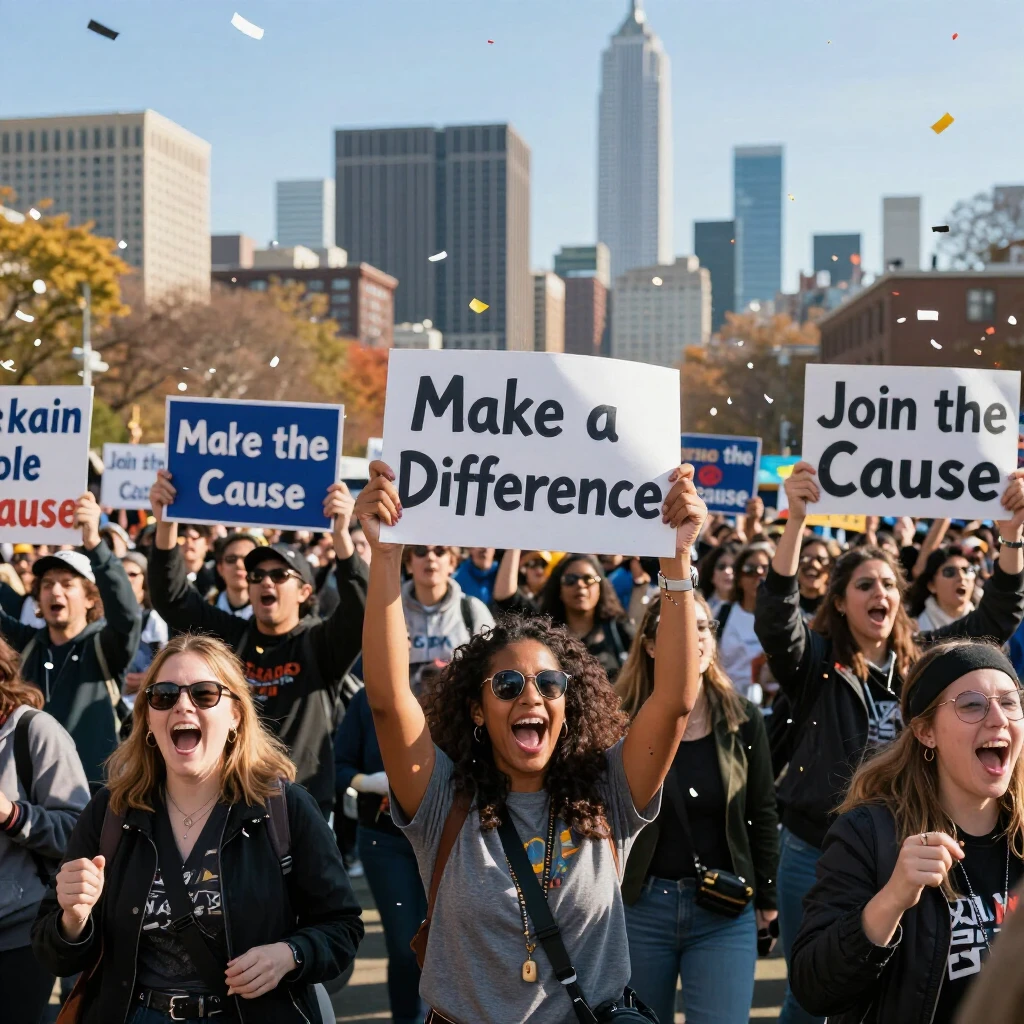
Launch your activities. Start small to build momentum. A successful first event encourages more volunteers to join.
Monitor progress. Use tools like surveys or analytics to see what's working. Adjust as needed.
Stay persistent. Change takes time. Celebrate small wins to keep the team motivated.
In our campaign, we faced setbacks like low turnout at one meeting. But by following up personally, we turned it around.
Step 7: Measure and Reflect
Evaluate your impact. Did you meet your goals? Count signatures, media mentions, or policy changes.
Gather feedback from participants. What went well? What could improve? Use this for future efforts.
Share your story. Write a report or blog post. Inspire others to start their own advocacy campaigns.
Personal insight: Advocacy changed my view on community power. It showed me that volunteers, united by a cause, can achieve big things.
Common Challenges and Solutions
You might face burnout. Solution: Rotate tasks and encourage breaks.
Resistance from opponents. Solution: Stay factual and respectful.
Limited funds. Solution: Crowdfund or seek sponsors.
Use this list to prepare: - Build a support network - Stay organized with tools like Trello - Focus on self-care
Final Summary
Starting an advocacy campaign involves choosing a cause, building a team of volunteers, planning, acting, and reflecting. With persistence, you can drive real change. Remember, every big movement began with one person's idea. (42 words)