How to Start an Advocacy Campaign: A Step-by-Step Guide
Learn how to start an advocacy campaign with this comprehensive guide. From defining your cause to mobilizing volunteers, discover actionable steps, expert insights, and practical tips to create impact. Perfect for beginners and seasoned advocates alike.
4 min read
Overview
Starting an advocacy campaign can feel daunting, but it’s a powerful way to drive change. Whether you’re passionate about environmental issues, social justice, or community welfare, a well-planned campaign can amplify your voice. This guide breaks down how to start an advocacy campaign, offering practical steps and personal insights to help you succeed.
Step 1: Define Your Cause
The first step in launching an advocacy campaign is pinpointing what you’re fighting for. A clear cause gives your campaign focus. Ask yourself: What issue keeps you up at night? Is it climate change, equal education access, or animal rights? Be specific. For example, instead of 'saving the environment,' focus on 'reducing single-use plastics in your community.'
My first advocacy campaign began with a personal frustration: litter in my local park. I narrowed it down to advocating for better waste management policies. This clarity helped me stay focused and communicate my goals effectively.
Step 2: Research the Issue
Knowledge is your foundation. Dive deep into your cause. Understand its history, current state, and key players. Use reliable sources to gather facts. For instance, Stanford University’s research on social movements highlights how data-driven campaigns gain credibility. Look for statistics, case studies, or expert opinions to back your claims.
When I researched park litter, I found local government reports showing budget cuts to waste management. This gave me concrete data to share with stakeholders and volunteers, making my campaign more compelling.

Step 3: Set Clear Goals
What does success look like? Define measurable, realistic goals. Do you want to pass a local law, raise $5,000, or get 1,000 signatures on a petition? Clear goals guide your strategy and motivate your team. According to Harvard Kennedy School’s guide on advocacy, campaigns with specific objectives are 60% more likely to achieve policy change.
For my campaign, my goal was to get the city council to install more trash bins. This gave me a clear target to rally around and measure progress.
Step 4: Build a Team of Volunteers
No campaign succeeds alone. Volunteers are the heart of advocacy. Recruit people who share your passion. Reach out through community groups, social media, or local events. Be clear about roles—some volunteers might handle outreach, others logistics or media.
I found volunteers by posting flyers at local cafes and creating a group chat for updates. Regular check-ins kept everyone motivated. Treat volunteers like partners, not just helpers. Their energy fuels your campaign.
Step 5: Craft Your Message
Your message is your campaign’s voice. Make it clear, emotional, and memorable. Use stories to connect with people. For example, instead of saying 'litter is bad,' share a story about a child finding trash in a park playground. Keep it simple so anyone can understand.
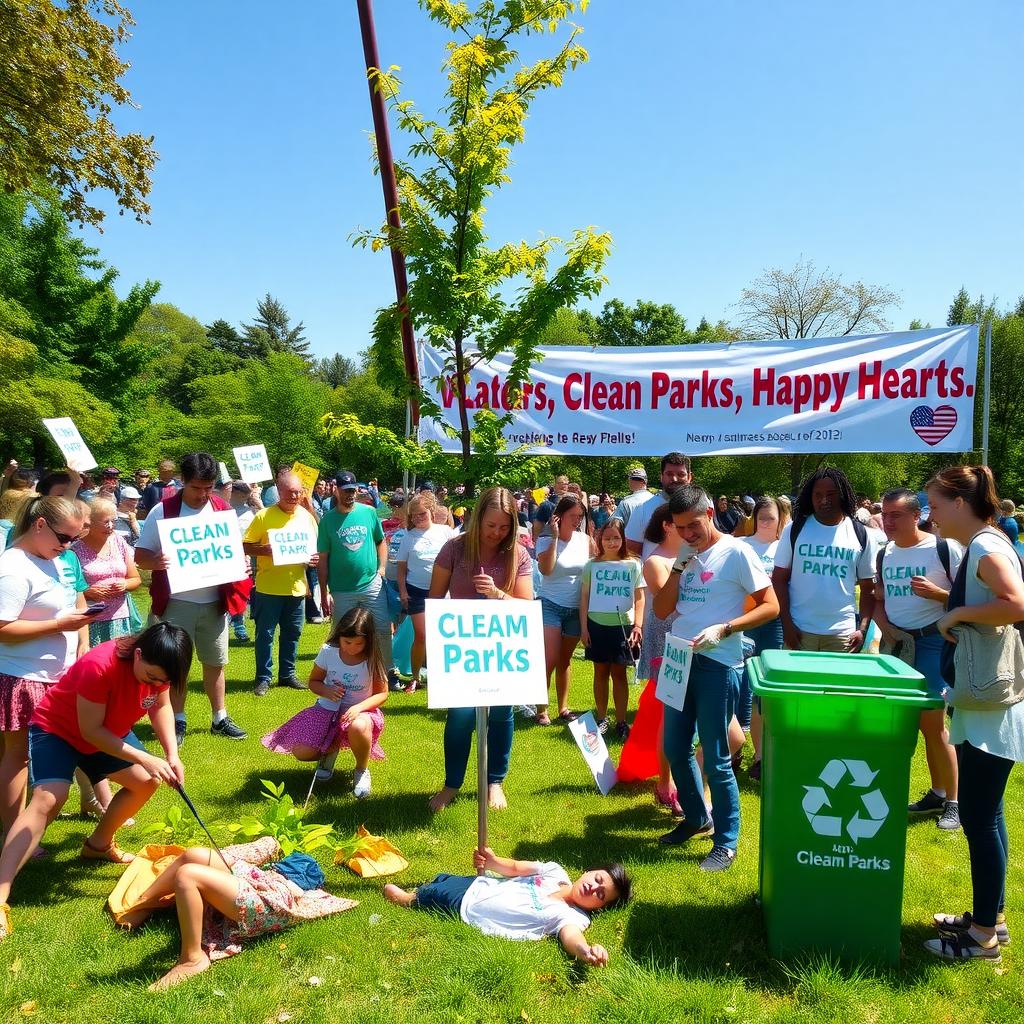
Test your message with friends or volunteers. Does it inspire action? My campaign’s slogan, 'Clean Parks, Happy Hearts,' was short and stuck with people.

Step 6: Choose Your Tactics
Tactics bring your campaign to life. Options include petitions, social media campaigns, rallies, or meetings with decision-makers. Pick tactics that match your goals and resources. For example, The Advocacy Institute suggests combining online petitions with in-person events for maximum impact.
For my campaign, I used a petition to show community support and met with city council members to present our case. This mix of grassroots and direct advocacy worked well.
Step 7: Engage Decision-Makers
Change often requires influencing those in power. Identify key decision-makers—local officials, school boards, or business leaders. Schedule meetings, send letters, or invite them to events. Be respectful but persistent. Share data and stories to make your case.
When I met with the city council, I brought a volunteer who shared how litter affected her kids’ playtime. That personal touch made our data hit home.
Step 8: Leverage Media and Social Media
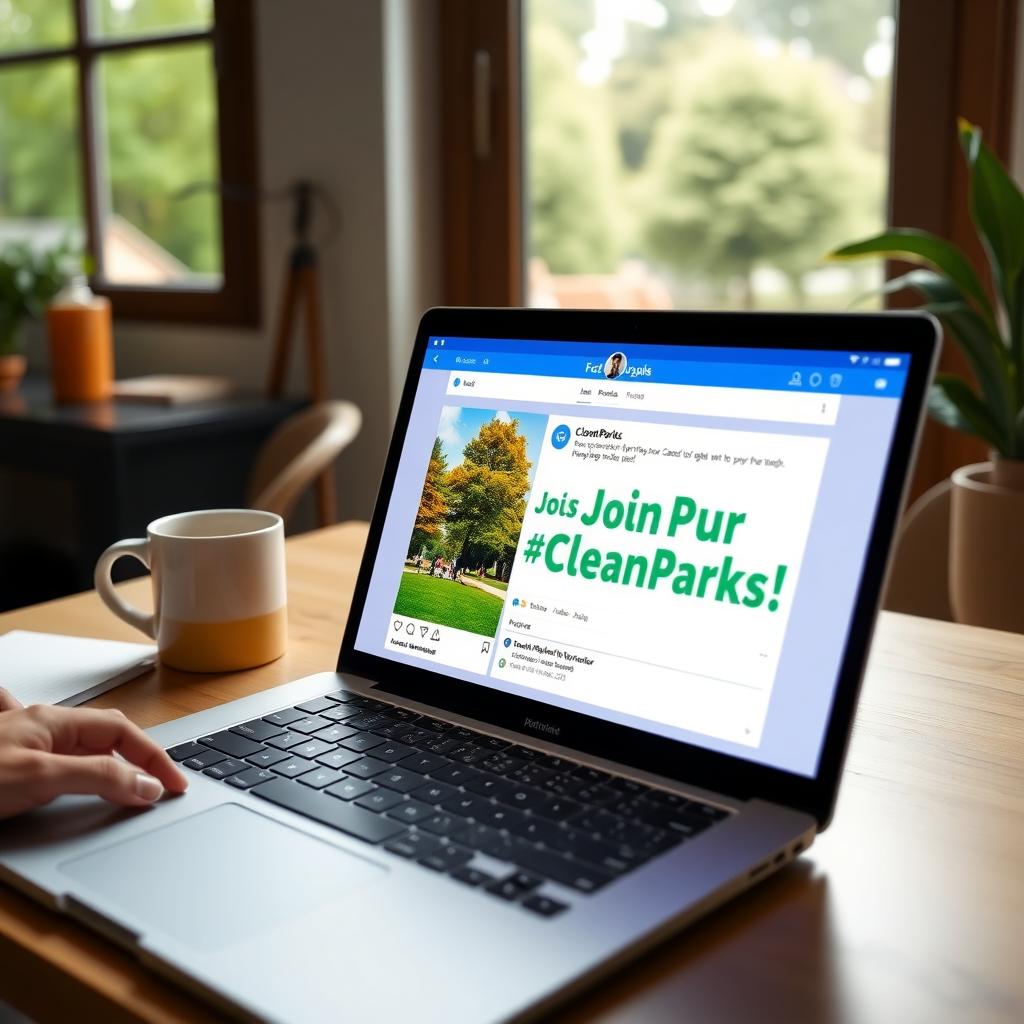
Media amplifies your message. Reach out to local newspapers, radio stations, or bloggers. Write press releases or pitch stories. On social media, use hashtags and visuals to spread your cause. Posts on X can spark conversations—tag local leaders to get their attention.
I posted updates on X about our park clean-ups, using photos to show progress. One post went viral locally, bringing in more volunteers.
Step 9: Measure and Adapt
Track your progress. Are you hitting your goals? Use tools like Google Forms to collect feedback or count petition signatures. If something isn’t working, adjust. Maybe your rallies aren’t drawing crowds, but your online petition is thriving—focus there.
Midway through my campaign, I noticed low turnout at events. I shifted to online outreach, which doubled our petition signatures in a week.
Step 10: Celebrate and Sustain
When you hit milestones, celebrate! Thank your volunteers and share successes with supporters. Sustainability matters too—plan how to keep the momentum going. Could your campaign become a nonprofit or annual event?
After the city installed new bins, we held a park party to thank volunteers. Now, we do yearly clean-ups to keep the park pristine.
Summary
Starting an advocacy campaign takes passion, planning, and persistence. By defining your cause, building a team, and engaging decision-makers, you can create real change. Use data, stories, and media to amplify your voice. With dedication, your campaign can inspire and impact your community.