How to Turn Your Volunteer Experience into a Career
Discover how to transform your volunteer experience into a fulfilling career. Learn practical steps to leverage community service, uncover your passion, and boost your career prospects, especially for college students seeking meaningful opportunities.
4 min read

Overview
Volunteering isn’t just about giving back—it’s a powerful way to shape your career. Whether you’re a college student exploring passions or a professional seeking change, volunteer work can open doors. This guide shows you how to turn your volunteer experience into a career, with practical steps and real-world insights.
Why Volunteering Matters for Your Career
Volunteering does more than feel good. It builds skills, expands networks, and shows employers you care about more than a paycheck. Many college students start volunteering to explore interests, only to find it shapes their career path. For example, tutoring kids at a local nonprofit might spark a love for teaching, while organizing a charity event could reveal a knack for project management.
Studies show volunteering boosts employability. A 2017 survey by Deloitte found 82% of hiring managers prefer candidates with volunteer experience. Why? It signals initiative, teamwork, and adaptability—qualities employers value across industries.

Finding Your Passion Through Community Service
Volunteering lets you test-drive careers without commitment. Unsure if you want to work in healthcare? Spend a summer at a hospital’s outreach program. Curious about environmental policy? Join a local conservation group. These experiences help you discover what lights you up.
Take Sarah, a college sophomore I met while volunteering at a food bank. She started sorting donations to fulfill a service requirement but found she loved coordinating logistics. That sparked an interest in supply chain management, leading her to a logistics internship. Her story shows how community service can reveal passions you didn’t know you had.
Steps to Identify Your Passion
- Explore Diverse Roles: Try different volunteer tasks—teaching, fundraising, or manual labor—to see what clicks.
- Reflect on Joy: After each session, note what tasks energized you. Did you love problem-solving or connecting with people?
- Ask for Feedback: Talk to supervisors or peers about your strengths. They might spot talents you overlook.
- Connect to Careers: Research jobs that align with your favorite tasks. For example, if you enjoy event planning, look into roles like marketing or nonprofit management.
Top Volunteer Opportunities for College Students
College is a great time to volunteer, with flexible schedules and access to campus resources. Here are some top opportunities tailored for students:
| Opportunity | Skills Gained | Where to Find |
|---|---|---|
| Tutoring/Mentoring | Communication, leadership | Campus education programs, local schools |
| Environmental Cleanup | Teamwork, project planning | Conservation groups like Sierra Club |
| Event Organizing | Logistics, marketing | Campus clubs, nonprofit fundraisers |
| Healthcare Support | Empathy, problem-solving | Hospitals, clinics, Red Cross |
| Tech Support | IT skills, training | Community centers, libraries |
Check your college’s community service office or platforms like VolunteerMatch to find local options. These roles build skills and look great on a resume.
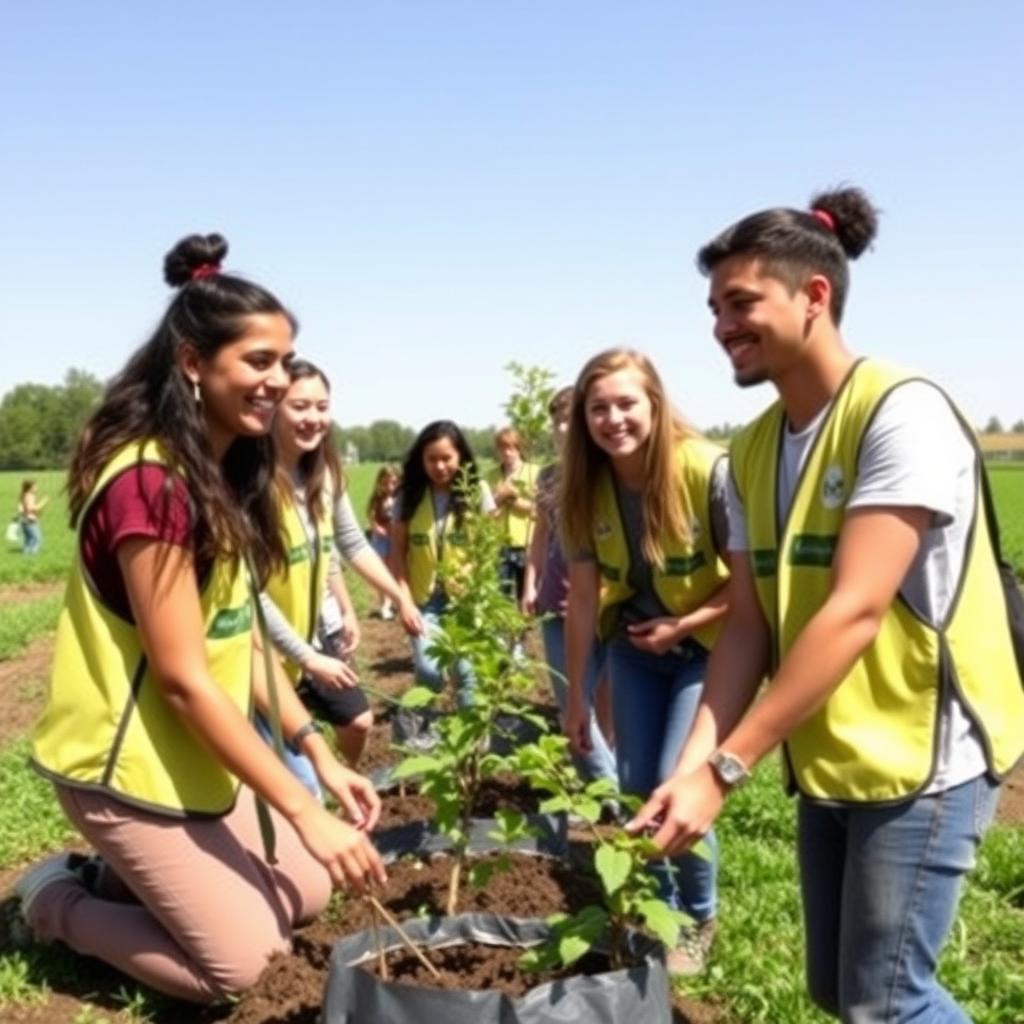
How Volunteering Can Boost Your Career Prospects
Volunteer work isn’t just a resume filler—it’s a career catalyst. Employers see it as real-world experience, especially for students or recent grads with limited job history. Here’s how it helps:
- Skill Development: Volunteering hones skills like communication, leadership, and time management. For instance, leading a fundraiser teaches budgeting and teamwork, directly applicable to many jobs.
- Networking: You meet professionals, from nonprofit leaders to fellow volunteers, who can offer mentorship or job leads. A LinkedIn study found 41% of professionals consider volunteer connections valuable for career growth.
- Proving Passion: Volunteering shows you’re driven by purpose, not just money. This resonates with employers who value culture fit.
I once volunteered at an animal shelter and met a manager who later recommended me for a marketing role. That connection wouldn’t have happened without those weekends cleaning kennels.
Turning Volunteer Work into a Job
To make your volunteer experience a career springboard, be strategic:
- Document Your Impact: Track specific achievements, like “Raised $5,000 for a literacy program” or “Trained 10 new volunteers.” Quantify results to impress employers.
- Update Your Resume: List volunteer roles like jobs, focusing on transferable skills. For example, “Coordinated logistics for 200-person charity event” sounds professional and relevant.
- Leverage References: Ask volunteer supervisors for recommendation letters or LinkedIn endorsements. Their support carries weight.
- Tailor Applications: Match your volunteer experience to job requirements. If applying for a teaching role, highlight tutoring or mentoring work.
- Pursue Certifications: Some fields, like education or healthcare, offer certifications through volunteer programs. For example, the American Red Cross provides training that can lead to paid roles.

Overcoming Common Challenges
Volunteering isn’t always easy. Time constraints, lack of direction, or burnout can arise. Here’s how to tackle them:
- Time Management: As a student, balance volunteering with classes by committing to just a few hours a week. Even 2-3 hours can make a difference.
- Finding the Right Fit: If a role feels unfulfilling, try a different organization or task. Not every opportunity will spark joy, and that’s okay.
- Avoiding Burnout: Set boundaries and don’t overcommit. Take breaks when needed to stay energized.
I struggled with burnout during a semester of heavy volunteering. Scaling back to one event per month helped me stay engaged without stress.
Making the Leap to a Career
Once you’ve gained skills and clarity, it’s time to transition to a career. Research industries that align with your volunteer work. Nonprofits, education, and healthcare often value volunteer experience, but so do corporate roles in HR, marketing, or project management. Use job boards like Idealist for mission-driven roles or LinkedIn for broader opportunities.
Network intentionally. Reach out to volunteer contacts for informational interviews. Attend career fairs and mention your volunteer work—it’s a great conversation starter. Finally, consider internships or entry-level roles in your chosen field to bridge the gap from volunteer to professional.
Summary
Volunteering is a powerful way to discover your passion and build a career. By exploring diverse opportunities, documenting your impact, and leveraging connections, you can turn community service into a fulfilling job. For college students, it’s an especially valuable way to gain skills and stand out. Start small, reflect often, and watch your volunteer experience open career doors.