How to Volunteer Abroad on a Budget in 2025: A Complete Guide
Discover how to volunteer abroad on a budget in 2025 with practical tips, top destinations, and advice on choosing the right program. Learn how to prepare and pick up language skills for a meaningful experience.
5 min read
Overview
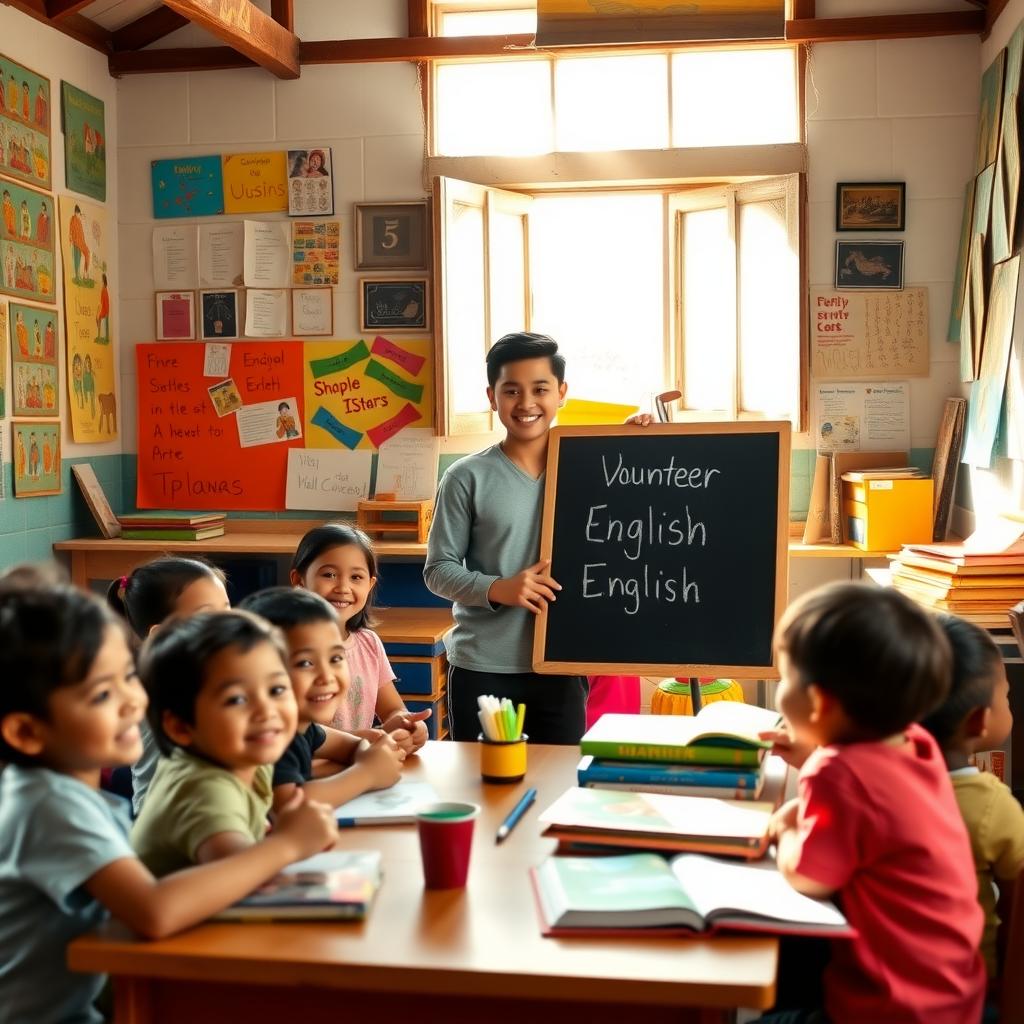
Volunteering abroad is a life-changing way to explore new cultures, make a difference, and grow personally—all without breaking the bank. This guide covers how to volunteer abroad on a budget, top destinations for 2025, and tips for preparation, program selection, and language learning.
Why Volunteer Abroad on a Budget?
Volunteering abroad combines travel with purpose, letting you contribute to communities while exploring new places. But international travel can feel expensive, especially for students or those on tight budgets. The good news? Affordable programs exist that make meaningful experiences accessible. With smart planning, you can immerse yourself in a new culture, learn skills, and give back without draining your savings.
I remember my first volunteer trip to Thailand. I was a broke college student, but I found a program that covered meals and housing for a small fee. The experience—teaching kids English and living with a local family—changed how I saw the world. Budget volunteering is possible if you know where to look and how to prepare.

How to Volunteer Abroad on a Budget
Budget volunteering starts with strategic choices. Here’s how to keep costs low while maximizing impact:
- Choose Affordable Destinations: Countries in Asia, Africa, and Latin America often have lower living costs, making them ideal for budget volunteers. Think Thailand, Ghana, or Peru.
- Look for Low-Cost Programs: Organizations like International Volunteer HQ (IVHQ) and Worldpackers offer programs starting at $20/day, including accommodation and meals.
- Seek Work-Exchange Programs: Platforms like Workaway provide free housing and meals in exchange for a few hours of work, such as helping at a hostel or farm.
- Apply for Scholarships or Grants: Many programs offer financial aid. Check Go Overseas for scholarship listings.
- Minimize Travel Costs: Book flights early, use budget airlines, and travel during off-peak seasons to save money.
A friend of mine volunteered in Guatemala with Maximo Nivel. She used a work-exchange program to cover her stay and learned Spanish on the side. By booking flights months in advance, she spent less than $1,000 for a month-long trip. Small choices like these add up.
Top 10 Destinations for International Volunteering in 2025
These destinations offer affordable, impactful volunteer opportunities for 2025:
| Destination | Popular Programs | Avg. Daily Cost |
|---|---|---|
| Thailand | Teaching, Childcare | $20–$30 |
| Costa Rica | Turtle Conservation, Eco-Farming | $25–$35 |
| Peru | Community Development, Medical | $20–$30 |
| Ghana | Education, Healthcare | $15–$25 |
| Nepal | Teaching, Women’s Empowerment | $15–$25 |
| South Africa | Wildlife Conservation | $30–$40 |
| Cambodia | Youth Development, Teaching | $15–$25 |
| Bali | Marine Conservation, Teaching | $25–$35 |
| India | Childcare, Community Work | $15–$20 |
| Vietnam | English Teaching, Social Work | $15–$25 |
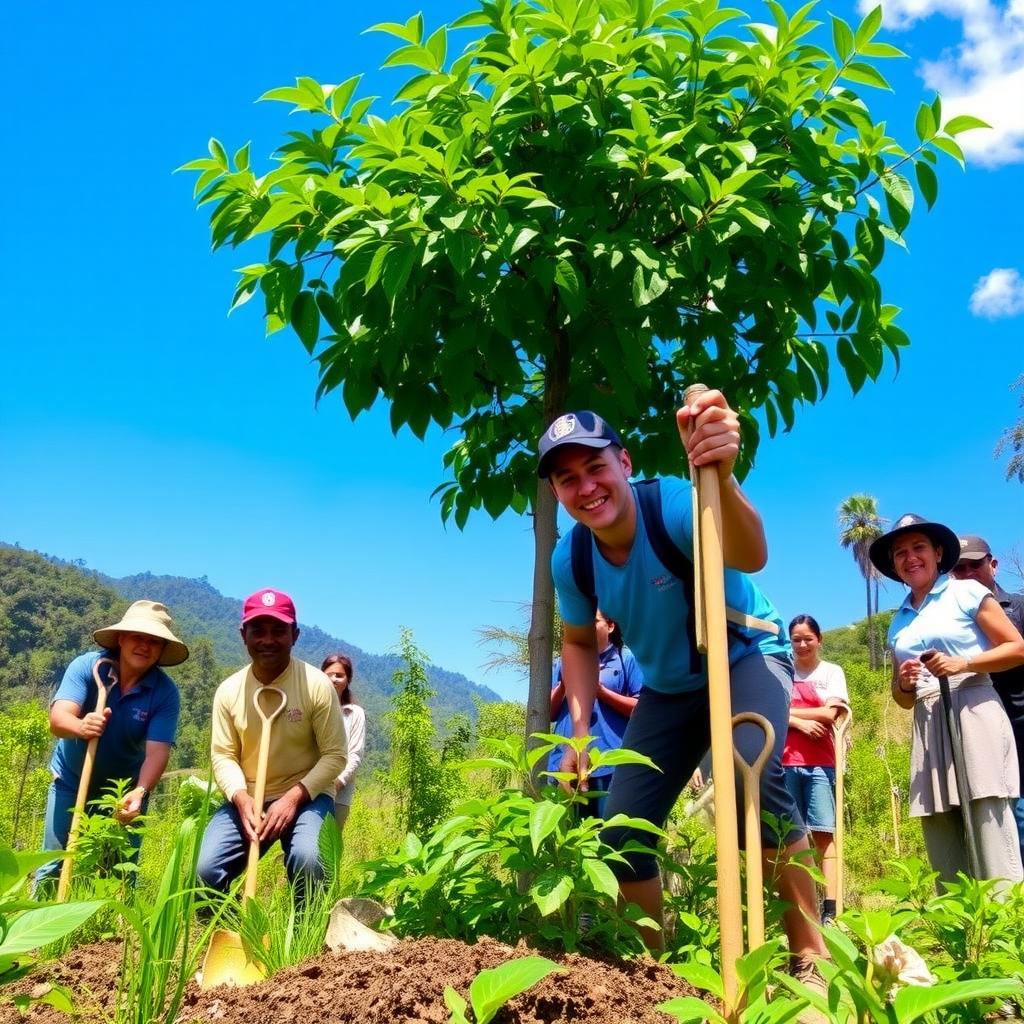
These countries combine low costs with rich cultural experiences. For example, Costa Rica’s turtle conservation programs let you work on pristine beaches while living affordably.
How to Choose the Right Volunteering Program
Picking the right program ensures your time and money are well spent. Here’s a step-by-step guide:
- Align with Your Interests: Love animals? Try wildlife conservation in South Africa. Passionate about education? Teach English in Cambodia.
- Check Program Ethics: Ethical programs prioritize local needs and sustainability. Look for organizations like IVHQ or Projects Abroad that align with UN Sustainable Development Goals.
- Read Reviews: Platforms like Go Overseas and Volunteer Forever have thousands of reviews from past volunteers.
- Assess Support: Choose programs with 24/7 in-country support, orientation, and clear safety measures.
- Consider Duration: Short-term (1–2 weeks) programs suit tight schedules, while longer placements (3–12 months) offer deeper impact.
I once joined a program in Nepal without checking reviews. The disorganized setup left me frustrated. Now, I always research the organization’s reputation and support structure.
How to Prepare for Your Volunteering Experience
Preparation makes your volunteer trip smooth and rewarding. Follow these steps:
- Research the Culture: Learn basic customs and etiquette of your destination to show respect.
- Get Necessary Documents: Ensure your passport is valid for six months beyond your trip. Check visa requirements early.
- Secure Travel Insurance: Policies like World Nomads cover medical emergencies and trip cancellations.
- Budget for Extras: Account for flights, visas, vaccinations, and personal expenses. Save by cooking your own meals or using public transport.
- Pack Light: Bring versatile clothing, a reusable water bottle, and a first-aid kit. Avoid overpacking to save on luggage fees.
Before volunteering in Ghana, I spent a week learning about local customs. Simple gestures, like greeting elders first, helped me connect with the community.
Language Learning Tips for Volunteers
Language barriers can be a challenge, but learning key phrases boosts your experience. Here’s how to prepare:
- Start Early: Use apps like Duolingo or Babbel to learn basic vocabulary before you go.
- Focus on Practical Phrases: Learn greetings, directions, and phrases like “Can you help me?” to navigate daily tasks.
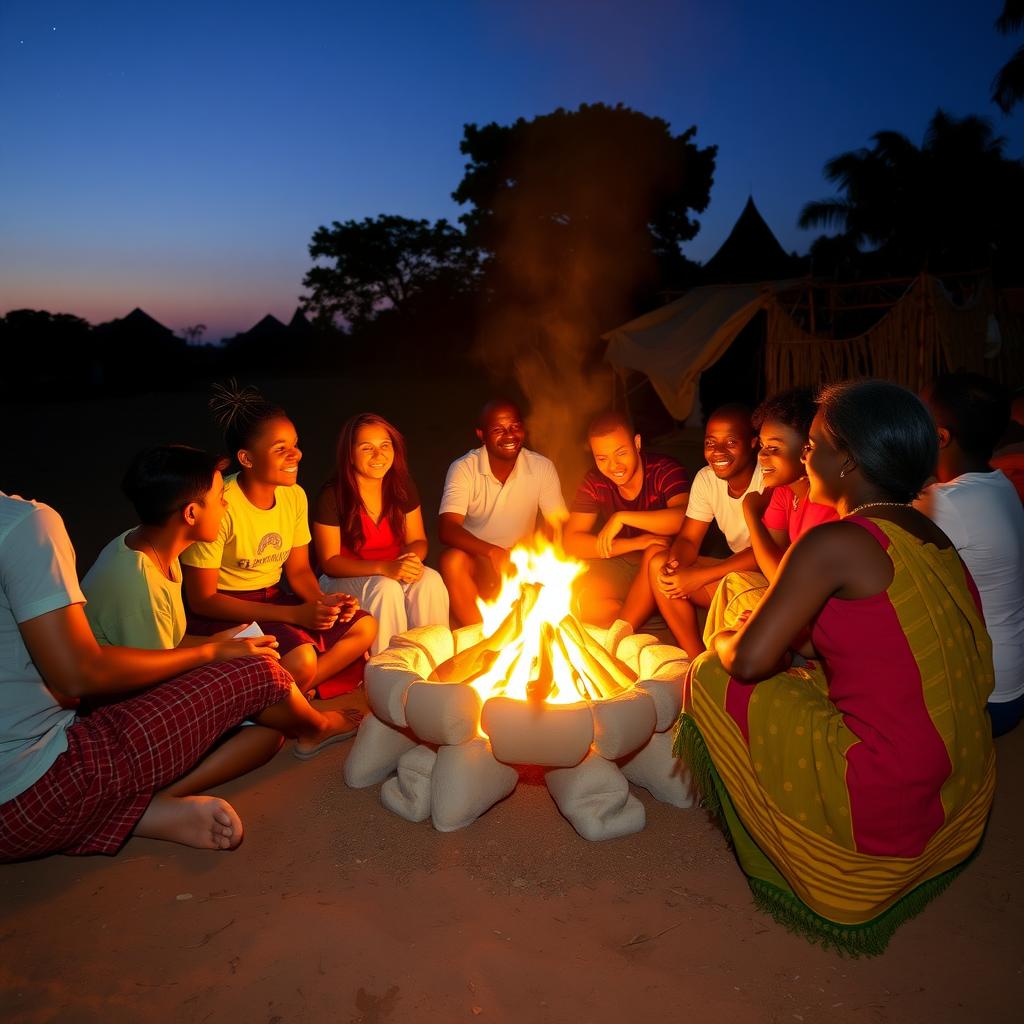
- Practice with Locals: Immersion is the best teacher. Speak with your host family or community members daily.
- Take a Course: Some programs, like Maximo Nivel, offer language classes alongside volunteering.
- Be Patient: Mistakes are part of learning. Locals appreciate effort, even if your pronunciation isn’t perfect.
In Peru, I struggled with Spanish at first. But practicing daily with kids at the project helped me pick up conversational phrases fast. It made me feel more connected.
Overcoming Common Challenges
Volunteering abroad isn’t always easy. Cultural differences, homesickness, or unexpected costs can arise. Here’s how to handle them:
- Cultural Differences: Approach new customs with curiosity. Ask questions and observe locals.
- Homesickness: Stay connected with family via video calls, but limit screen time to stay present.
- Unexpected Costs: Set aside a small emergency fund for surprises like medical visits or extra travel.
My first week in Bali was tough—I missed home and struggled with the heat. Joining group activities with other volunteers helped me adjust and build lifelong friendships.
Summary
Volunteering abroad on a budget is achievable with careful planning. Choose affordable destinations like Thailand or Peru, pick ethical programs, and prepare thoroughly to maximize your impact. Learn basic language skills to connect with locals and embrace challenges as part of the adventure. Start your journey today for a rewarding, life-changing experience.