How to Volunteer for a Cause You Care About: Your Guide to Making a Difference
Discover how to volunteer for a cause you care about with actionable steps, personal insights, and inspiring stories. Learn the skills needed for advocacy volunteering and how to start your own advocacy campaign to create real impact.
4 min read
Overview
Volunteering for a cause you care about is a powerful way to make a difference. Whether you're passionate about environmental conservation, social justice, or animal welfare, your time and skills can create real change. This guide explores how to find meaningful volunteer opportunities, develop advocacy skills, and even start your own campaign.
Why Volunteering Matters
Volunteering isn’t just about giving your time—it’s about connecting with a purpose larger than yourself. When you volunteer for a cause you care about, you channel your passion into action. Studies from the Corporation for National and Community Service show that volunteers report higher life satisfaction and improved mental health. But beyond personal benefits, your efforts can transform communities and inspire others.
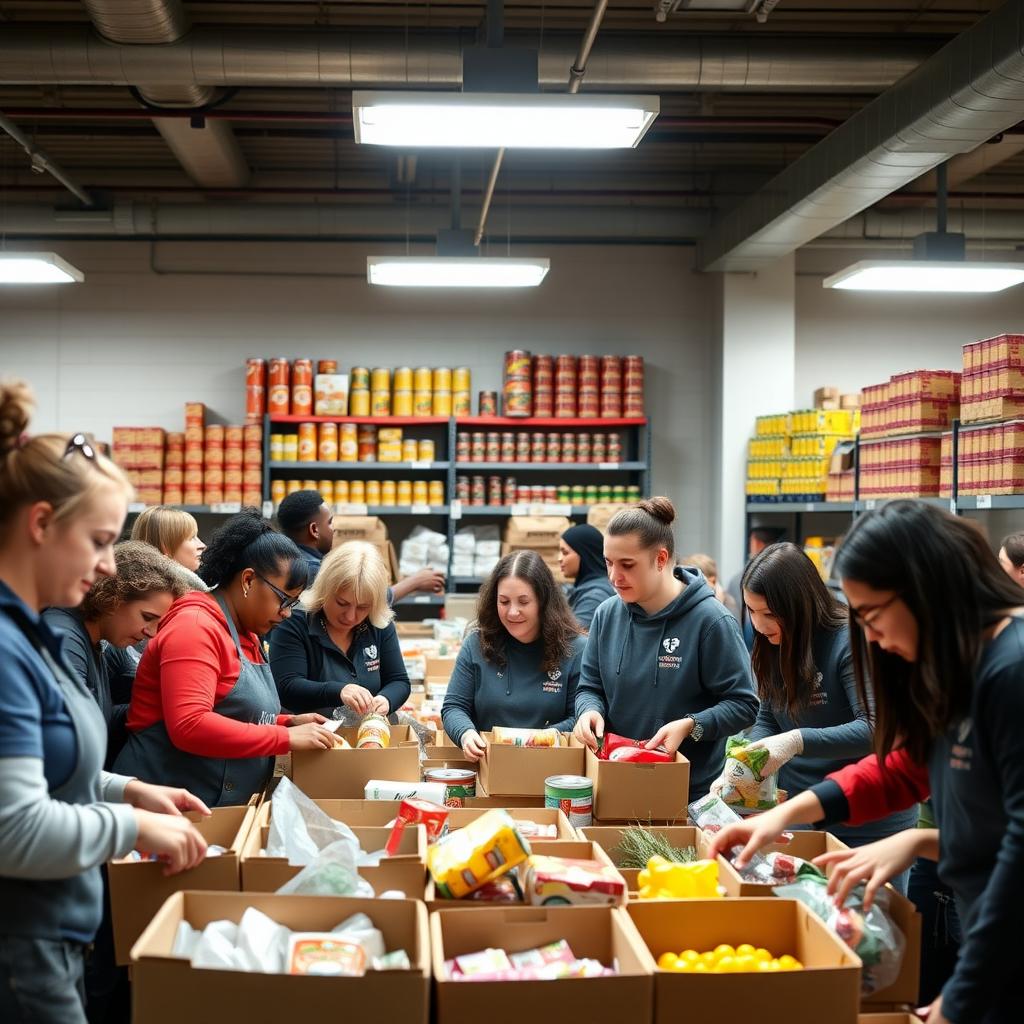
I remember my first volunteer experience at a local food bank. I was nervous, unsure if I’d make a difference. But seeing families leave with groceries and smiles taught me that small actions matter. That’s the essence of Empathy in Action: The Volunteer’s Journey—turning compassion into tangible impact.

Finding the Right Cause
Start by identifying what matters most to you. Reflect on issues that spark your emotions—maybe it’s climate change, education access, or mental health awareness. Ask yourself: - What problems keep me up at night? - What skills or experiences can I share? - Do I want to work locally or globally?
Once you’ve pinpointed your passion, research organizations aligned with your values. Websites like VolunteerMatch connect you with opportunities based on location and interest. Local nonprofits, community centers, or even social media groups on platforms like X can also point you to causes needing support.
Skills Needed for Advocacy Volunteering
Advocacy volunteering goes beyond traditional tasks like sorting donations or planting trees. It involves raising awareness, influencing policy, or mobilizing communities. Here are key skills to develop:
| Skill | Why It Matters | How to Build It |
|---|---|---|
| Communication | Persuades others to support your cause | Practice public speaking or write blog posts |
| Empathy | Builds trust with communities | Listen actively in conversations |
| Organization | Keeps campaigns on track | Use tools like Trello or Google Calendar |
| Networking | Connects you with allies | Attend community events or join online forums |
These skills don’t require formal training. For example, I learned to advocate for literacy programs by simply talking to parents and teachers, listening to their needs, and sharing their stories with local leaders.
How to Start Your Own Advocacy Campaign
If existing opportunities don’t fully align with your vision, consider launching your own initiative. How to Start Your Own Advocacy Campaign begins with a clear goal. Want to reduce plastic waste in your town? Promote mental health resources? Define your mission in one sentence.
Next, follow these steps: 1. Research the Issue: Understand the problem’s scope. For instance, the Environmental Protection Agency offers data on local environmental issues. 2. Build a Team: Recruit friends, family, or like-minded individuals through community boards or social media. 3. Create a Plan: Outline actions, timelines, and measurable goals. For example, “Collect 1,000 petition signatures in three months.” 4. Spread the Word: Use social media, local events, or flyers to raise awareness. 5. Engage Decision-Makers: Contact local officials or organizations to push for change.
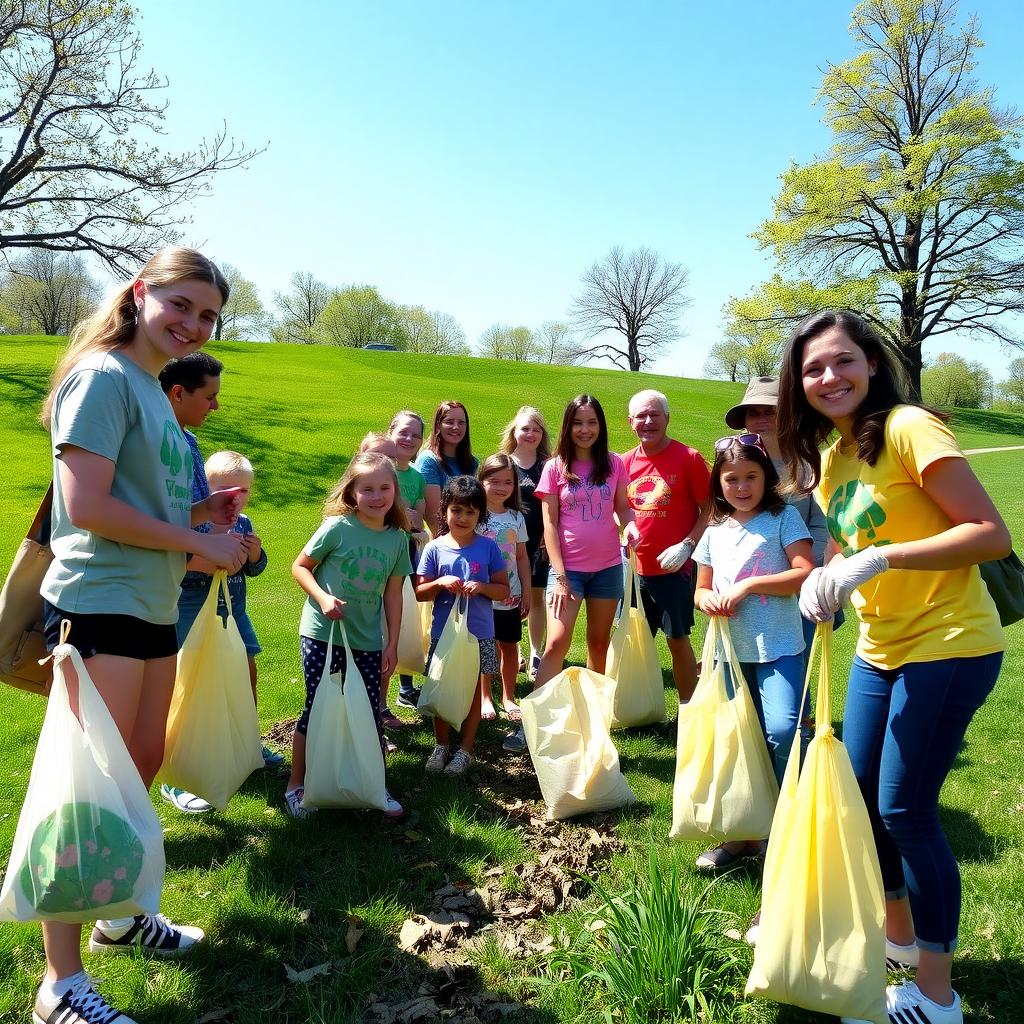
When I started a campaign to promote recycling in my neighborhood, I began with a small cleanup event. It grew into a city-wide initiative after partnering with a local environmental group.
Real Impact: Advocacy Stories That Inspire
Stories of successful volunteers can motivate you to take action. Take Malala Yousafzai, who turned her passion for girls’ education into a global movement. Her advocacy began with a blog and grew into the Malala Fund, impacting millions. Closer to home, I met Sarah, a college student who organized mental health workshops at her school. Her small initiative led to a district-wide wellness program.
These stories show that impact doesn’t require fame or resources—just persistence and heart. What’s your story waiting to be written?
Overcoming Common Challenges
Volunteering isn’t always smooth sailing. You might face time constraints, burnout, or lack of resources. Here’s how to tackle them: - Time Management: Commit to small, consistent tasks, like volunteering two hours a week. - Burnout: Set boundaries and celebrate small wins to stay motivated. - Limited Resources: Partner with local businesses or crowdfund for supplies.
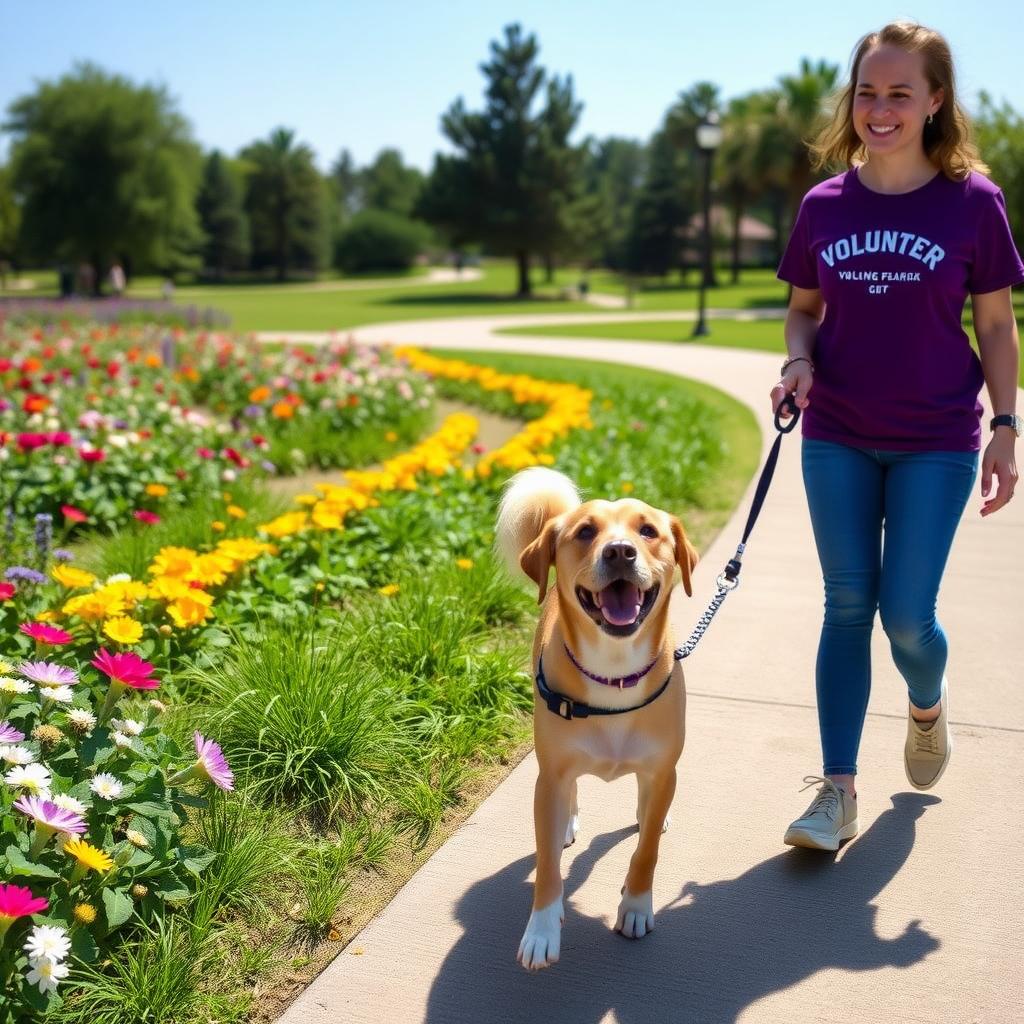
When I volunteered at an animal shelter, I struggled to balance work and volunteering. Scheduling specific hours and focusing on tasks I loved, like walking dogs, kept me energized.
Making a Lasting Impact
To maximize your impact, track your progress and reflect on your contributions. Did your petition lead to a new policy? Did your fundraiser help a family in need? Measuring outcomes keeps you motivated and shows others the value of your work.
Also, consider mentoring new volunteers. Sharing your experience creates a ripple effect, amplifying your cause. I’ve seen this firsthand—after mentoring a teenager at the food bank, she launched her own drive to collect school supplies for low-income students.
Summary
Volunteering for a cause you care about is a journey of empathy, action, and impact. By finding the right cause, building advocacy skills, and overcoming challenges, you can create meaningful change. Whether you join an organization or start your own campaign, your efforts matter. Take the first step today and let your passion lead the way.