How Volunteering in Education Can Shape Your Career
Discover how volunteering in education builds essential skills, expands networks, and boosts career prospects through real-world experiences and skill-based contributions.
3 min read
Overview
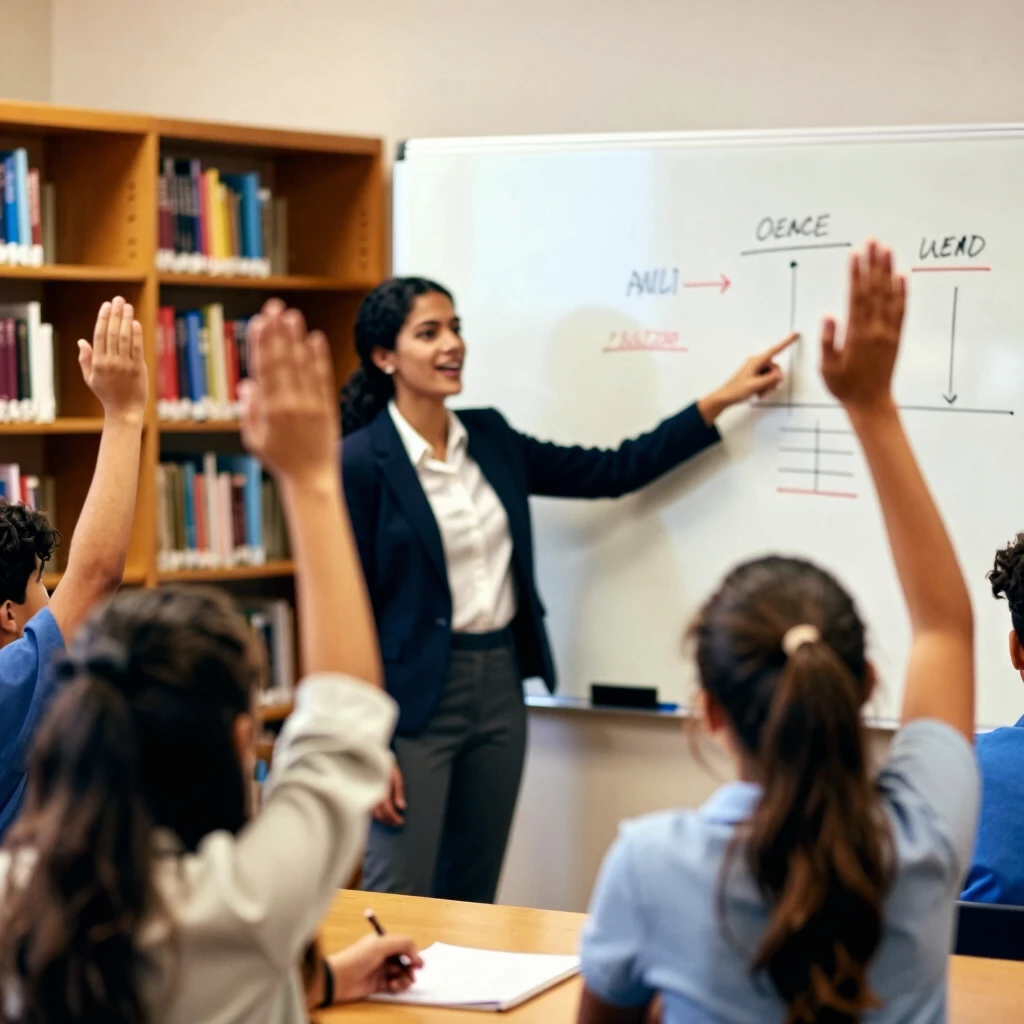
Volunteering in education opens doors you never expected. It helps you gain practical skills, build your network, and make your resume stand out. Many people find that giving time to teach or mentor students changes their career path for the better. This article explores how volunteering in education can shape your career in powerful ways.

You might wonder why volunteer in education when you're busy building a career. The answer is simple: it gives back while moving you forward.
When you volunteer to help in schools or educational programs, you step into real-world situations. You practice skills that jobs demand but often don't teach directly.
Building Key Skills Through Hands-On Experience
Education volunteering lets you develop skills employers love. You learn to communicate clearly, lead groups, and solve problems on the spot.
For example, tutoring students sharpens your patience and ability to explain complex ideas simply. These are core skills in many jobs, from management to sales.
Skill-based volunteering in education takes this further. You use your professional expertise to help. A marketer might create lesson plans on digital tools. An IT expert could teach basic coding to kids.
This type of skill-based volunteering shows you can apply what you know in new settings. It builds confidence and proves your versatility.

Studies back this up. According to research highlighted by Walden University, candidates with volunteer experience have a 27% higher chance of getting hired than those without.
Learn more about strategic volunteering's impact on careers from Walden University
In my own experience, I started volunteering as a reading mentor. I thought I was just helping kids. But soon, I led small groups and organized events. Those experiences taught me leadership faster than any office role.
Networking That Opens Doors
Volunteering puts you in rooms with like-minded people. You meet teachers, administrators, and other volunteers from various fields.
These connections often lead to job tips, recommendations, or even new opportunities. Many volunteers find mentors who guide their career choices.
Skill-based volunteering in education amplifies this. When you bring your expertise, people notice. Nonprofits and schools remember contributors who make a real difference.
One survey of HR leaders found that 81% consider skilled volunteering in hiring decisions. It makes candidates more appealing, especially recent graduates.
Explore insights on skills-based volunteering from Common Impact

Making Your Resume Shine
Volunteer work on your resume shows initiative. It fills gaps, explains career changes, or adds depth to your experience.
List it prominently if it's relevant. Describe achievements, like "Tutored 20 students in math, improving grades by 15% on average."
Here are ways volunteering boosts your resume:
- Demonstrates soft skills: Communication, teamwork, adaptability
- Shows commitment: You care about community impact
- Provides stories for interviews: Real examples beat generic answers
Personal Growth and Career Clarity
Many volunteers discover new passions. Helping in education might spark interest in teaching, training, or nonprofit work.
It also builds resilience. Dealing with diverse students teaches empathy and cultural awareness – valuable in any workplace.
Research shows volunteering enhances both hard and soft skills, leading to better career management.
Read the qualitative study on employability through volunteering from PMC
I know someone who volunteered in adult literacy programs. It led them to switch careers into corporate training. The hands-on experience was the turning point.
How to Get Started
Look for opportunities that match your skills:
- Contact local schools for tutoring roles
- Join programs like Big Brothers Big Sisters
- Use platforms for skill-based volunteering
- Start small – even a few hours a week counts
Choose roles aligned with your career goals. If you're in tech, teach digital skills. If in business, help with school fundraising.
Track your impact. Note skills gained and stories to share. This makes it easier to add to your resume or discuss in interviews.
Overcoming Common Challenges
Time is the biggest hurdle. Start with flexible options. Many programs need help remotely or on weekends.
Burnout happens if you overcommit. Set boundaries and choose causes you love.
Final Thoughts
Volunteering in education does more than help others. It shapes your career by building skills, networks, and confidence. Whether through general volunteer work or skill-based volunteering, the benefits last long.
Take the step today. Your future self will thank you.