How Volunteers Are Shaping Policies: Real Stories of Change - Volunteer Connection
Explore success stories of advocacy volunteers who turned passion into policy wins. Learn the power of community advocacy and 10 ways to become an effective advocate for lasting change.
5 min read
A Quick Overview
Volunteers across the globe turn everyday concerns into powerful policy shifts. In this article, we dive into success stories of advocacy volunteers who changed their communities for the better. From grassroots pushes to big wins, discover how ordinary people harness the power of community advocacy. Plus, get practical tips to join the movement.
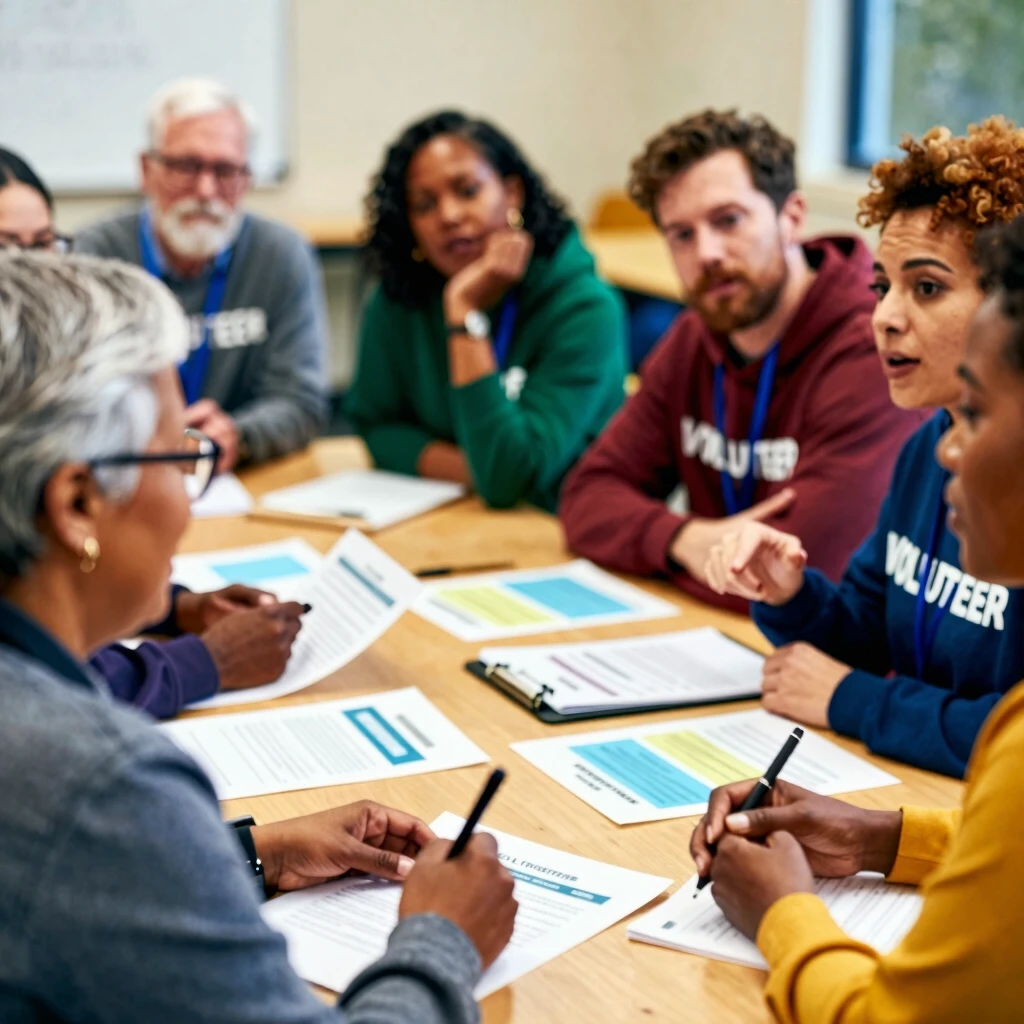
Success Stories: How Volunteers Changed Their Communities
Imagine a single voice sparking a wave of change. That's the magic behind success stories of advocacy volunteers. These tales show how dedication leads to real policy shifts that touch lives every day.
Take Cynthia Macri, a retired Navy captain in Maryland. She volunteered with MAC, Inc., an Area Agency on Aging, to run workshops for homeless veterans. Facing chronic health issues like diabetes and substance use, these vets needed more than advice—they needed empowerment. Cynthia's sessions on nutrition and hypertension management built skills and hope. Soon, participants landed jobs and stable homes. Her work highlighted gaps in veteran care, pushing local policies to fund ongoing support programs. Today, weekly workshops continue, proving one volunteer's effort can reshape community resources.
Across the country, Micah Fialka-Feldman refused to let rejection define him. Born with an intellectual disability, he applied to live in a dorm at Oakland University in Michigan. When denied, he sued—and won. From 2007 on, Micah lived on campus, took classes in public speaking and political science, and advocated at conferences. His victory set a precedent for inclusive education policies. Colleges now open doors wider for students with disabilities, ensuring equal access to dorms and classes. Micah's story reminds us: bold action from volunteers can rewrite rules for fairness.
In Portland, Oregon, Troyce Crucchiola turned personal struggle into systemic fix. As a dialysis patient, she joined Ride Connection's community team. Long waits and unreliable rides stressed riders out—63% felt frequent anxiety before changes. Troyce helped redesign routes, train drivers on disabilities, and create volunteer videos. Wait times dropped, stress fell to just 4%. Her input influenced broader transportation policies, prioritizing voices of older adults and those with disabilities. These wins show how volunteers bridge everyday needs to lasting laws.
Behavior analysts in Wisconsin faced a tough fight too. Through the Wisconsin Autism Providers Association, volunteers like Rebecca Thompson spent hours surveying providers and gathering petitions. Outdated Medicaid rates caused 9-12 month waitlists for kids needing ABA therapy. Their calls to action and testimony led to a 33% rate hike in 2018 and more increases by 2023. Streamlined approvals cut barriers, letting families access care faster. For details on their strategy, check this NIH guide to public policy advocacy success stories.
These examples from the Administration for Community Living's success stories highlight volunteer grit. They didn't just complain—they organized, spoke up, and won.
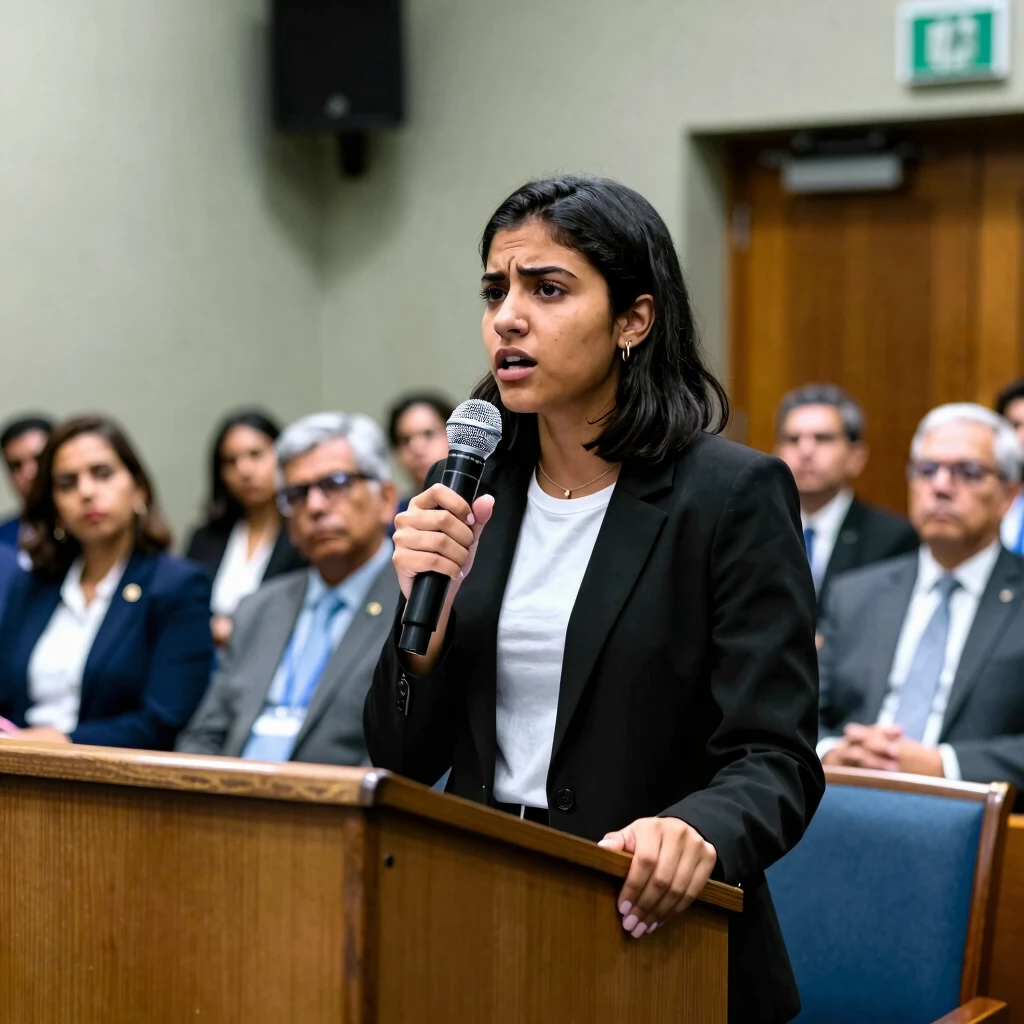
The Power of Community Advocacy
Community advocacy isn't about loud protests alone. It's the quiet build-up: neighbors chatting over coffee, sharing stories that fuel bigger actions. Volunteers amplify voices often ignored, turning local gripes into statewide solutions.
Think of MIT alumni in Washington, D.C. Samuel Rodarte Jr., a 2013 grad, serves as a legislative aide, drafting bills on education and immigration. His work tweaks laws to help millions. Kathleen Hicks, PhD '10, shapes national security policy with her expertise. These pros started as students, much like volunteers today. Their paths show how informed passion influences decisions at the top. Learn more in this MIT article on alumni shaping public policy.
The ripple effect is huge. One policy tweak—like better transit for dialysis patients—eases daily burdens for thousands. Volunteers spot these needs firsthand. They rally support, gather facts, and push leaders. In the end, communities grow stronger, fairer, and more connected.
But power comes from preparation. Volunteers who succeed blend heart with homework. They know facts trump feelings in policy rooms. And they build teams, turning solo efforts into unstoppable forces.
10 Ways to Be an Effective Advocate
Ready to step up? Here's a roadmap drawn from real wins. These steps, inspired by grassroots experts, make advocacy approachable and impactful.
-
Identify Your Issue Clearly: Pin down the problem. Is it local funding cuts or access barriers? Define goals with measurable steps, like shorter waitlists.
-
Gather Solid Facts: Build fact sheets with stats and stories. Surveys from affected families pack punch—avoid vague claims.
-
Know Your Opposition: Research why others resist. Understand their angle to craft smarter responses.
-
Master the Process: Learn how bills move. Track committees and timelines to time your asks right.
-
Build Your Base: Rally friends, neighbors, and groups. Coalitions multiply voices—aim for diverse support.
-
Use Media Wisely: Write op-eds or pitch stories. A local news spot can sway public opinion fast.
-
Connect Personally: Meet officials at events. Share your story face-to-face; it sticks more than emails.
-
Partner Up: Team with orgs like PTAs or health groups. Shared goals mean shared wins.
-
Track and Adapt: Celebrate small victories but reassess. If one tactic flops, pivot.
-
Stay Persistent: Change takes time. Consistent nudges, like follow-up calls, keep momentum alive.
For a deeper dive, see the National Bleeding Disorders Foundation's 6 steps for grassroots advocacy, which inspired these tips.
| Step | Quick Tip |
|---|---|
| 1. Identify Issue | Write a one-sentence goal. |
| 2. Gather Facts | Use free tools like surveys. |
| 3. Know Opposition | Map their arguments. |
| 4. Master Process | Follow state legislature sites. |
| 5. Build Base | Host coffee chats. |
| 6. Use Media | Start with letters to editors. |
| 7. Connect Personally | Attend town halls. |
| 8. Partner Up | Join local networks. |
| 9. Track Progress | Log every action. |
| 10. Stay Persistent | Set monthly check-ins. |
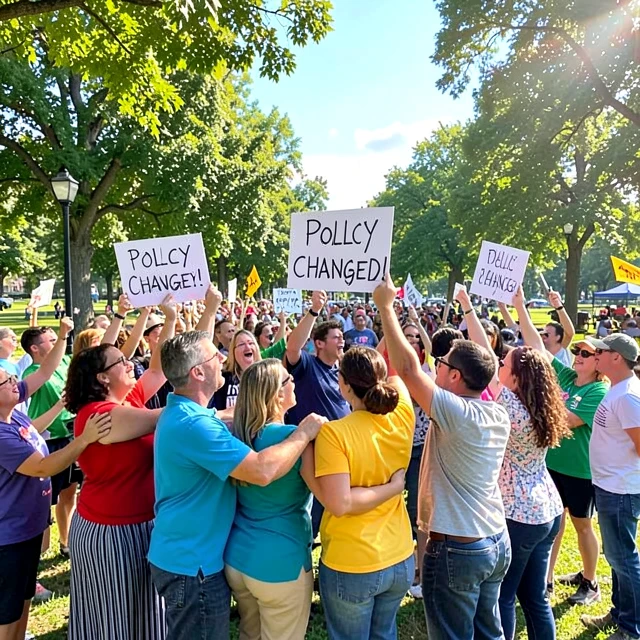
These ways aren't theory—they're battle-tested. In Arizona, parent volunteers used facts and partnerships to expand autism insurance mandates, covering kids beyond age 17. Massachusetts coalitions rallied with op-eds and hearings for therapy rate boosts, cutting wait times.
Personal insight: I once joined a volunteer push for park funding. We started small—petitions at picnics. But mapping the council process and media pitches turned it into a budget win. Seeing kids play in the upgraded space? Worth every meeting.
Wrapping It Up
How Volunteers Are Shaping Policies: Real Stories of Change - Volunteer Connection boils down to this: You have the power. From Cynthia's veteran workshops to Micah's dorm fight, these tales inspire action. Grab the 10 ways, tap community advocacy's strength, and start your story. Small steps lead to big shifts—your voice could be next.