How Volunteers Shape Communities: A Comprehensive Guide
Discover how volunteers impact communities, find opportunities near you, and start your volunteering journey. Learn about advocacy programs and hear inspiring stories from real volunteers.
8 min read
Overview
Volunteering is a powerful force that shapes communities in profound ways. From improving local services to fostering a sense of belonging, volunteers play a crucial role in building stronger, more resilient neighborhoods. This article explores how volunteers impact communities, how to find opportunities near you, and how to start your volunteering journey. We'll also delve into advocacy programs for volunteers and share personal stories that highlight the transformative power of giving back.
The Impact of Volunteers on Communities
Volunteers are the backbone of many community initiatives. They contribute their time, skills, and passion to address local needs and create positive change. According to the Corporation for National and Community Service, volunteers in the United States contributed over 4.1 billion hours of service in 2018, with an estimated value of $104 billion. This statistic underscores the immense economic and social impact of volunteering.
But beyond the numbers, volunteers bring intangible benefits to communities. They foster social connections, promote civic engagement, and inspire others to get involved. For example, in a study conducted by the University of California, researchers found that communities with higher rates of volunteering had lower crime rates and higher levels of trust among residents. This highlights the role of volunteers in creating safer, more cohesive neighborhoods.
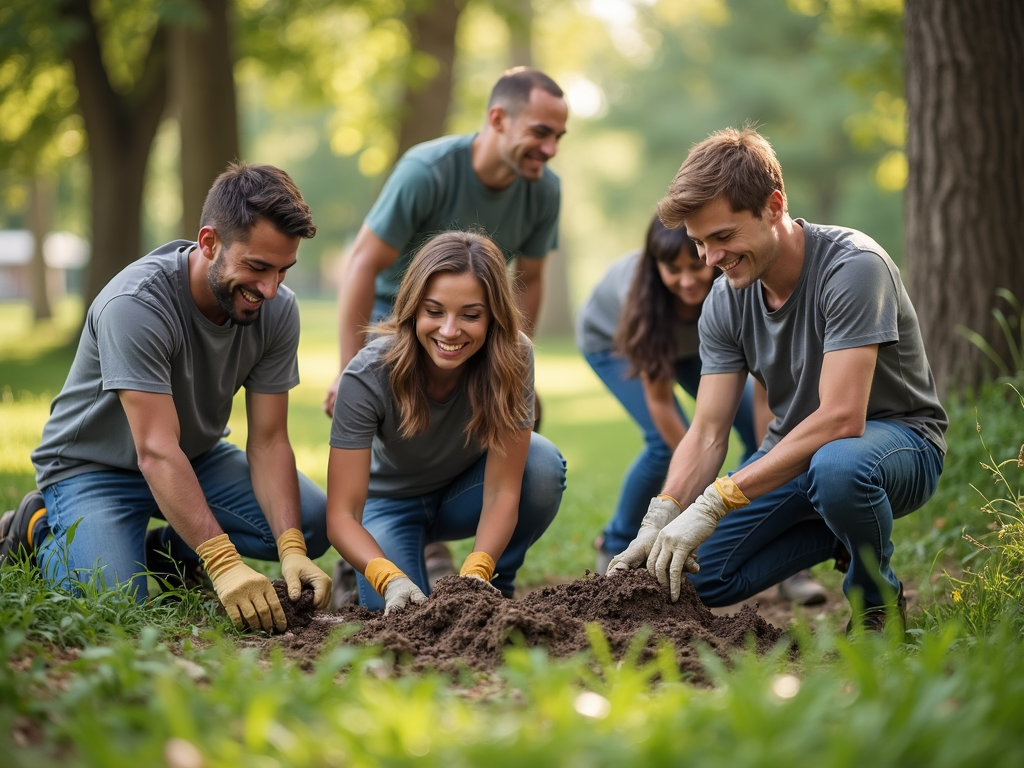
Volunteers also play a critical role in addressing social issues. From food banks and homeless shelters to environmental conservation projects, volunteers are on the front lines, providing essential services and support. Their efforts help to bridge gaps in public services and ensure that vulnerable populations receive the assistance they need.
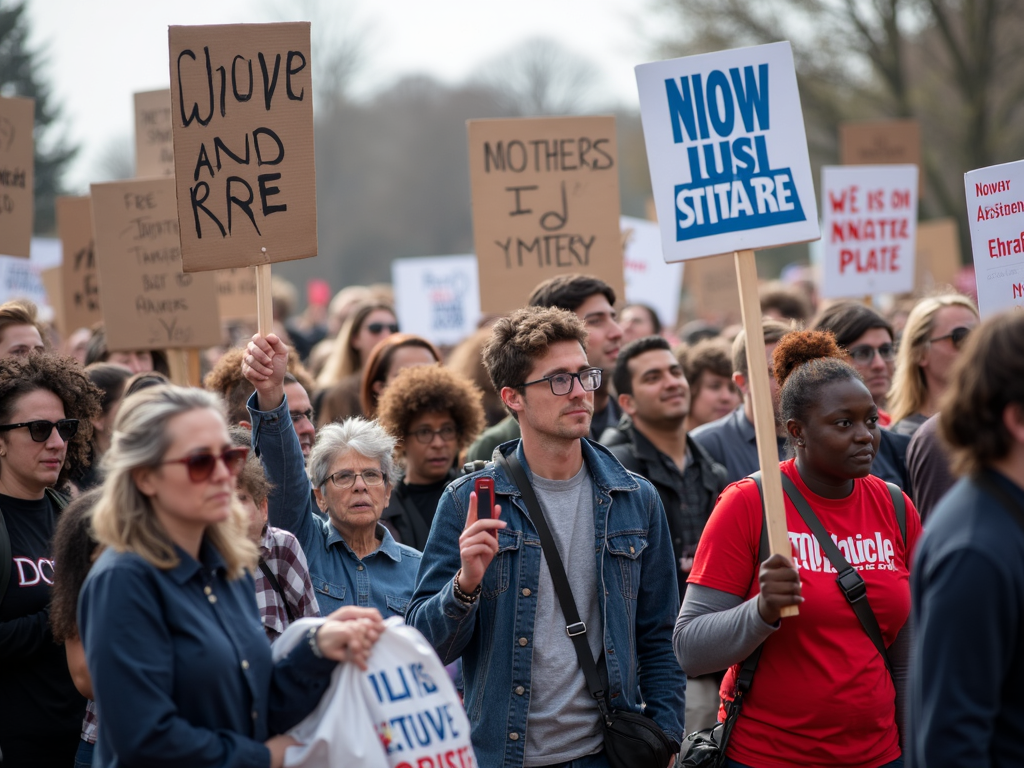
In addition to their direct contributions, volunteers often serve as advocates for their communities. They raise awareness about local issues, mobilize resources, and advocate for policy changes. This aspect of volunteering is particularly important in underserved areas, where volunteers can amplify the voices of marginalized groups and drive systemic change.
As we can see, volunteers are not just helpers; they are change-makers who shape the fabric of their communities. Their contributions are invaluable, and their impact is far-reaching.
Moreover, volunteers contribute to the economic vitality of communities. A report by the Independent Sector estimates that the value of a volunteer hour in the United States is $27.20. When multiplied by the billions of hours volunteered annually, this represents a significant economic contribution. Additionally, volunteering can lead to job creation and skill development, as many volunteers gain valuable experience that enhances their employability.
Volunteers also play a crucial role in disaster response and recovery. Organizations like the American Red Cross and Team Rubicon rely heavily on volunteers to provide immediate assistance and long-term support to affected communities. Their efforts not only help communities recover but also build resilience for future challenges.

Finding Volunteer Opportunities Near You
One of the most common questions people ask is, "How to Find Volunteer Opportunities Near You?" Fortunately, there are numerous resources available to help you connect with local organizations and causes that align with your interests and skills.
First, consider using online platforms that specialize in connecting volunteers with opportunities. Websites like VolunteerMatch.org, Idealist.org, and AllForGood.org allow you to search for volunteer positions based on location, cause, and availability. These platforms often provide detailed descriptions of the roles, making it easier to find a good fit.
Another effective way to find volunteer opportunities is to reach out to local nonprofits, community centers, and religious organizations. These entities often rely on volunteers to carry out their missions and are usually eager to welcome new helpers. You can visit their websites, call their offices, or attend community events to learn more about their needs.
Social media can also be a valuable tool for discovering volunteer opportunities. Many organizations post about upcoming events and volunteer needs on platforms like Facebook, Twitter, and Instagram. Following local groups and using hashtags like #volunteer or #communityservice can help you stay informed about opportunities in your area.
Additionally, consider joining a volunteer network or club. Groups like the Rotary Club, Lions Club, or local volunteer centers often organize community service projects and can provide a structured way to get involved.
For those interested in specific causes, such as environmental conservation or animal welfare, look for organizations that focus on those areas. For example, the Sierra Club offers volunteer opportunities for environmental advocacy, while local animal shelters often need help with animal care and adoption events.
When searching for volunteer opportunities, it's also helpful to consider your personal goals. Are you looking to develop new skills, meet new people, or make a specific impact? Clarifying your objectives can guide your search and help you find roles that are both meaningful and rewarding.
Another tip is to attend volunteer fairs or community events. These gatherings often feature multiple organizations looking for volunteers and provide an opportunity to learn about various causes and roles in a single setting.
Remember, finding the right volunteer opportunity is about matching your passions with community needs. Take the time to explore different options and don't be afraid to try something new. Volunteering is not only about giving back; it's also an opportunity to learn, grow, and connect with others.

Starting Your Volunteering Journey: A Beginner's Guide
If you're new to volunteering, you might be wondering, "How to Start Volunteering: A Beginner's Guide." Starting your volunteering journey can be both exciting and daunting, but with the right approach, it can be a rewarding experience.
First, reflect on your interests and skills. What causes are you passionate about? What skills can you bring to the table? Identifying your strengths and interests will help you find a volunteer role that is fulfilling and impactful.
Next, set realistic goals. Determine how much time you can commit to volunteering and what you hope to achieve. Whether it's a few hours a month or a more significant time commitment, being clear about your availability will help you find opportunities that fit your schedule.
Once you've identified potential opportunities, reach out to the organizations. Ask questions about the role, the expectations, and the impact of your work. This will help you understand if the opportunity is a good fit and what you can expect.
It's also important to be open to learning. Volunteering often involves new experiences and challenges, so approach it with a willingness to learn and adapt. Many organizations provide training and support to help volunteers succeed in their roles.
Don't be afraid to start small. If you're unsure about committing to a long-term role, look for one-time or short-term opportunities. This can be a great way to test the waters and see what type of volunteering resonates with you.
For beginners, it's important to manage expectations. Volunteering can be incredibly rewarding, but it can also be challenging. You might encounter situations that are emotionally taxing or tasks that are outside your comfort zone. However, these experiences can lead to significant personal growth and a deeper understanding of your community.
Additionally, consider documenting your volunteering journey. Keeping a journal or blog can help you reflect on your experiences, track your progress, and share your story with others. This can also inspire others to get involved and create a ripple effect of positive change.
Finally, remember that volunteering is a two-way street. While you're giving your time and skills, you're also gaining valuable experiences, connections, and personal growth. Embrace the journey and the opportunities it brings.

Advocacy Programs for Volunteers
Advocacy is a powerful aspect of volunteering that goes beyond direct service. It involves speaking up for causes, influencing policy, and driving systemic change. For volunteers interested in advocacy, there are numerous programs and opportunities to get involved.
Many organizations offer advocacy training and resources to help volunteers become effective advocates. For example, the American Red Cross has an advocacy program that educates volunteers on how to engage with policymakers and advocate for disaster relief and preparedness.
Similarly, environmental organizations like the Natural Resources Defense Council (NRDC) provide advocacy tools and campaigns for volunteers to participate in, such as petition drives and letter-writing campaigns.
Volunteers can also engage in grassroots advocacy by organizing community events, raising awareness about local issues, and mobilizing support for causes. This can be particularly impactful in addressing community-specific challenges, such as advocating for better public transportation or affordable housing.
For those interested in national or global issues, there are advocacy programs that focus on broader policy changes. Organizations like Amnesty International and Human Rights Watch rely on volunteers to advocate for human rights and social justice.
Participating in advocacy programs not only amplifies the impact of your volunteer work but also empowers you to be a voice for change. It's a way to leverage your passion and skills to create lasting, systemic improvements in your community and beyond.

Personal Stories and Insights
To truly understand the impact of volunteering, it's essential to hear from those who have experienced it firsthand. Here are a few stories from volunteers who have made a difference in their communities.
Story 1: Sarah's Journey with Habitat for Humanity
Sarah, a college student, started volunteering with Habitat for Humanity during her summer break. Initially, she was nervous about her lack of construction skills, but the organization provided training and support. Over time, Sarah not only learned how to build homes but also formed lasting friendships with other volunteers and the families they helped. "Volunteering with Habitat for Humanity taught me that anyone can make a difference, regardless of their background or skills," she says. "It's about showing up and being willing to learn."
Story 2: John's Experience with Meals on Wheels
John, a retired teacher, began volunteering with Meals on Wheels after his wife passed away. Delivering meals to homebound seniors not only gave him a sense of purpose but also connected him with people who needed companionship. "Volunteering helped me through a difficult time," John shares. "It reminded me that even in our own struggles, we can still make a positive impact on others."
Story 3: Maria's Advocacy with the Local Food Bank
Maria, a working mother, became involved with her local food bank after noticing the growing number of families struggling with food insecurity. She started by volunteering at distribution events but soon realized that advocacy was needed to address the root causes. Maria organized community meetings, spoke at city council sessions, and successfully advocated for increased funding for food assistance programs. "Volunteering opened my eyes to the power of advocacy," she says. "It's not just about providing immediate help; it's about creating long-term solutions."
These stories illustrate the diverse ways volunteers shape communities and the personal growth that comes from giving back. Whether it's building homes, delivering meals, or advocating for change, volunteers are making a tangible difference every day.
Summary
Volunteering is a transformative force that shapes communities in countless ways. From providing essential services to advocating for systemic change, volunteers are at the heart of community development. By finding opportunities that align with your passions, starting your volunteering journey with an open mind, and engaging in advocacy, you can make a meaningful impact. The stories of Sarah, John, and Maria remind us that volunteering is not just about giving; it's about growing, connecting, and creating a better world for all.