How Volunteers Shape Health Policy Today
Volunteers are transforming health policy through advocacy, community engagement, and impactful programs. Discover how their efforts drive social change, improve community health, and influence policy decisions, with insights into joining volunteer initiatives today.
4 min read
Overview
Volunteers are the backbone of many health policy advancements, driving change through grassroots efforts and advocacy. From shaping public health campaigns to influencing legislation, their work creates healthier communities. This article explores how volunteers shape health policy today, their impact, and how you can get involved.
The Power of Volunteer Advocacy in Health Policy
Volunteers are more than just helpers; they’re change-makers who amplify community voices. By participating in health advocacy, volunteers bridge the gap between policymakers and the public. They bring real-world experiences to the table, ensuring policies reflect the needs of everyday people.
For example, volunteers in community health programs often work directly with underserved populations. Their firsthand insights highlight issues like access to care or food insecurity, which can shape local health policies. By sharing these stories, volunteers push for solutions that might otherwise be overlooked.
Health Advocacy: How Volunteers Are Improving Community Health
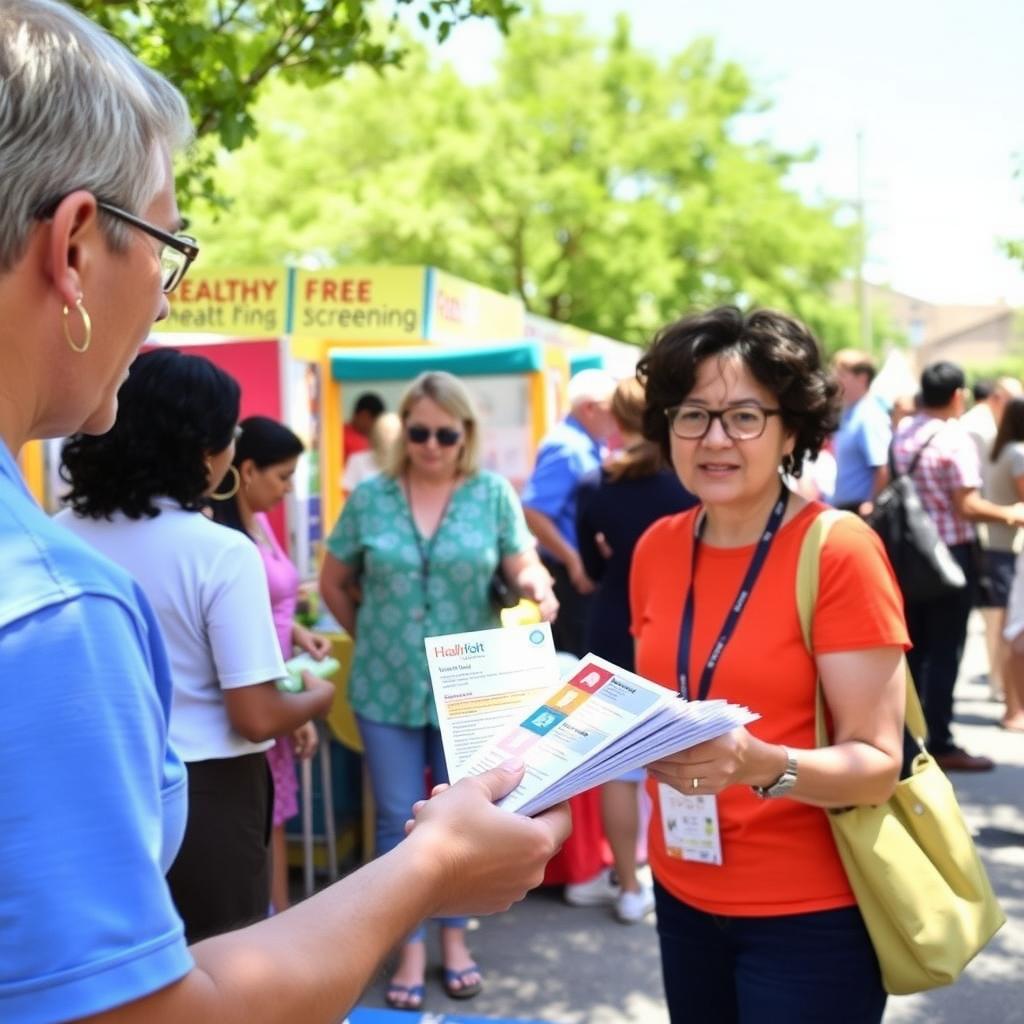
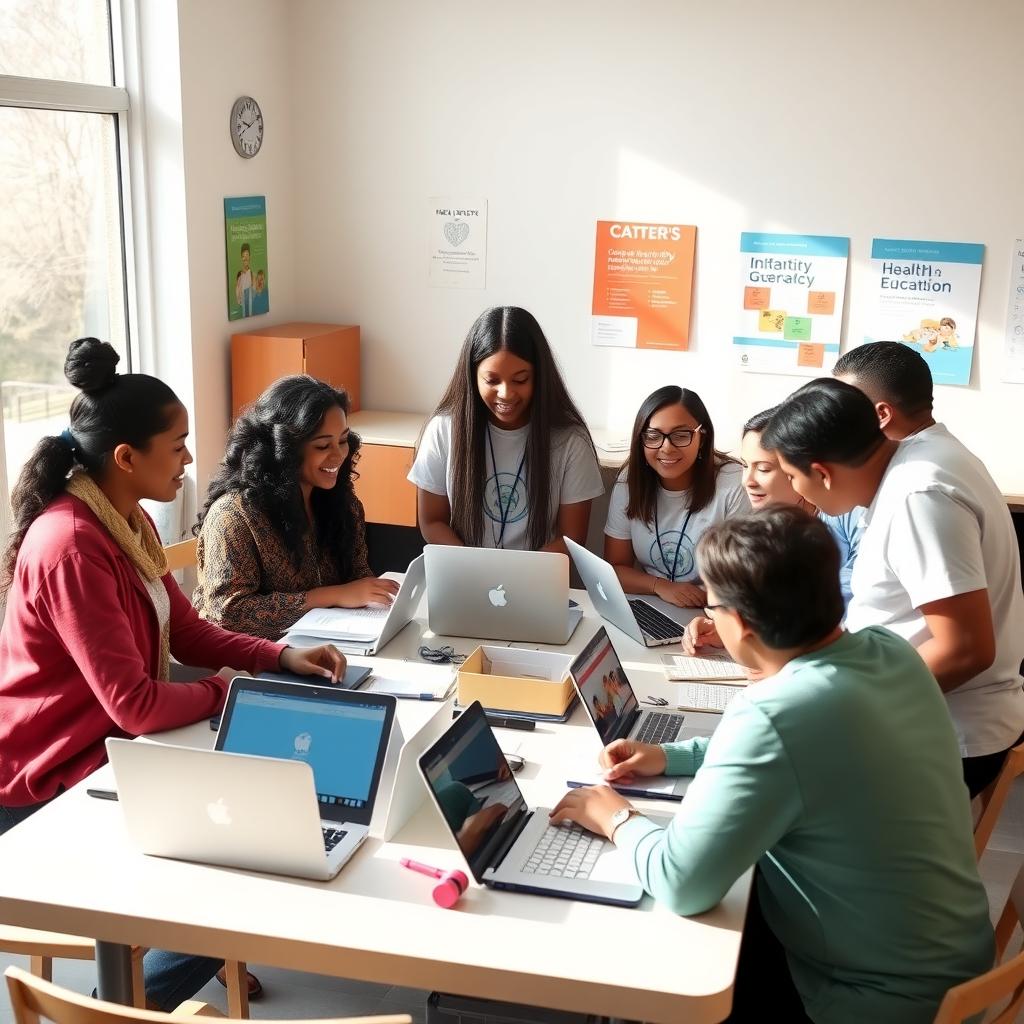
Volunteers play a critical role in improving community health through advocacy. They educate residents, organize health screenings, and promote wellness programs. These efforts not only address immediate health needs but also influence broader policy changes.
Take the example of volunteer advocacy initiatives for social change in low-income areas. Volunteers often lead campaigns to raise awareness about issues like mental health or chronic disease prevention. Their work encourages local governments to fund programs addressing these challenges. A 2023 study from the National Institutes of Health found that community health volunteers increased preventive care access by 15% in underserved regions, directly impacting local health policies [source: pmc.ncbi.nlm.nih.gov].
Key Ways Volunteers Influence Health Policy
Volunteers shape health policy in several practical ways:
- Community Feedback: They gather insights from residents, which inform policy priorities.
- Public Awareness: Volunteers lead campaigns to educate the public, creating demand for policy changes.
- Direct Advocacy: They meet with policymakers to push for legislation, like funding for free clinics.
- Program Implementation: Volunteers often pilot health programs, proving their value to policymakers.
These efforts ensure policies are grounded in real community needs, not just theoretical ideas.
Impactful Volunteer Programs to Join Today
If you’re inspired to make a difference, there are many impactful volunteer programs to join today. These programs offer opportunities to influence health policy while improving community health. Here are a few standout options:
| Program | Focus | How to Join |
|---|---|---|
| American Red Cross | Disaster relief, blood drives, health education | Contact your local chapter via www.redcross.org |
| Health Volunteers Overseas | Training health professionals in resource-scarce areas | Apply at hvousa.org |
| National Association of Free & Charitable Clinics | Free health clinics for underserved communities | Search for local clinics at nafcclinics.org |
These programs not only improve health outcomes but also give volunteers a platform to advocate for systemic change.

Personal Insights: The Volunteer Experience
As someone who’s seen the impact of volunteering firsthand, I can tell you it’s both humbling and empowering. A few years ago, I joined a local health initiative to promote vaccinations in my community. We went door-to-door, answering questions and addressing concerns. The experience showed me how much people crave clear, trustworthy information.
Our small team’s efforts led to a 10% increase in vaccination rates in our area, which caught the attention of local health officials. They used our data to secure funding for a broader immunization campaign. It was a reminder that even small actions can ripple outward, shaping policies that affect thousands.
Challenges Volunteers Face
Volunteering isn’t always easy. Many volunteers face challenges like limited resources, burnout, or lack of community buy-in. For example, a 2021 study on health volunteer programs in Iran highlighted issues like inadequate funding and training, which can hinder impact [source: pmc.ncbi.nlm.nih.gov].
Despite these hurdles, volunteers find ways to persevere. They build strong networks, share resources, and lean on their passion for change. Organizations can help by providing better training and support, ensuring volunteers feel valued and equipped.
How Volunteers Drive Social Change
Volunteer advocacy initiatives for social change are at the heart of health policy progress. Volunteers don’t just implement programs; they challenge the status quo. For instance, during the COVID-19 pandemic, volunteers across the U.S. organized to distribute masks and educate communities about safety measures. Their efforts led to local mandates for mask-wearing and increased funding for public health campaigns.
This kind of advocacy shows how volunteers can influence policy at every level. By mobilizing communities, they create a groundswell of support that policymakers can’t ignore.
How to Get Involved
Ready to shape health policy through volunteering? Here’s how to start:
- Find Your Passion: Choose a health issue you care about, like mental health or maternal care.
- Research Programs: Look for reputable organizations like those listed above.
- Start Small: Begin with local events, like health fairs or community meetings.
- Build Skills: Take advantage of training offered by volunteer programs to boost your impact.
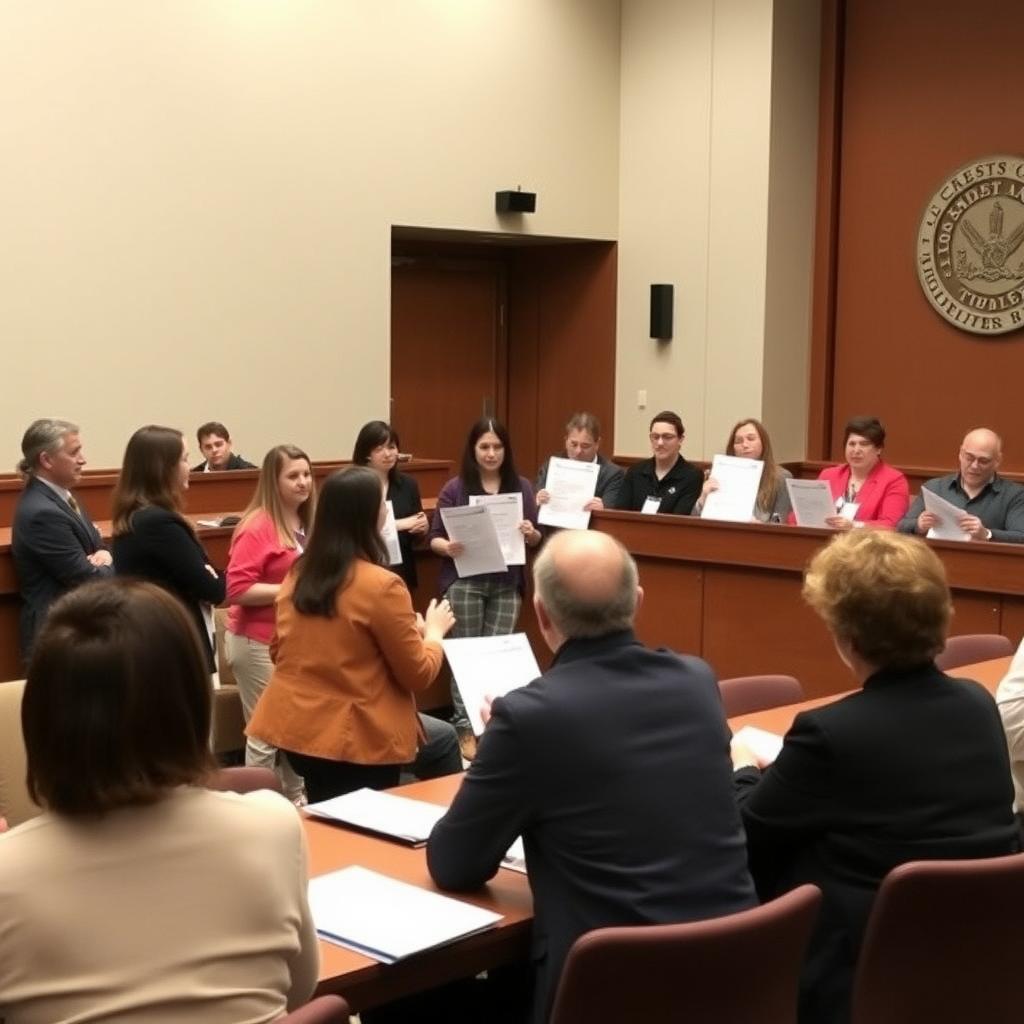
- Advocate: Share your experiences with policymakers through letters, meetings, or public forums.
Every step you take can influence health policy and improve lives.
The Future of Volunteer-Driven Health Policy
The role of volunteers in health policy is growing. As communities face new challenges like climate change and aging populations, volunteers will be crucial in shaping responsive policies. Programs like social prescribing, where volunteers connect people to non-clinical services, are gaining traction and showing measurable health benefits [source: pmc.ncbi.nlm.nih.gov].
By continuing to advocate and innovate, volunteers can ensure health policies remain inclusive and effective. Their work proves that change starts at the grassroots level.
Summary
Volunteers are vital to shaping health policy today. Through advocacy, community engagement, and impactful programs, they address pressing health issues and influence systemic change. By joining volunteer efforts, you can play a part in creating healthier, more equitable communities. Explore the recommended readings below to learn more and get involved.