The Impact of Advocacy on Policy Change: How Volunteers Shape the Future
Discover how advocacy drives policy change through volunteer efforts. Learn about the impact of advocacy on policy change, effective strategies, and volunteer opportunities in advocacy groups to create lasting social impact.
5 min read
Overview
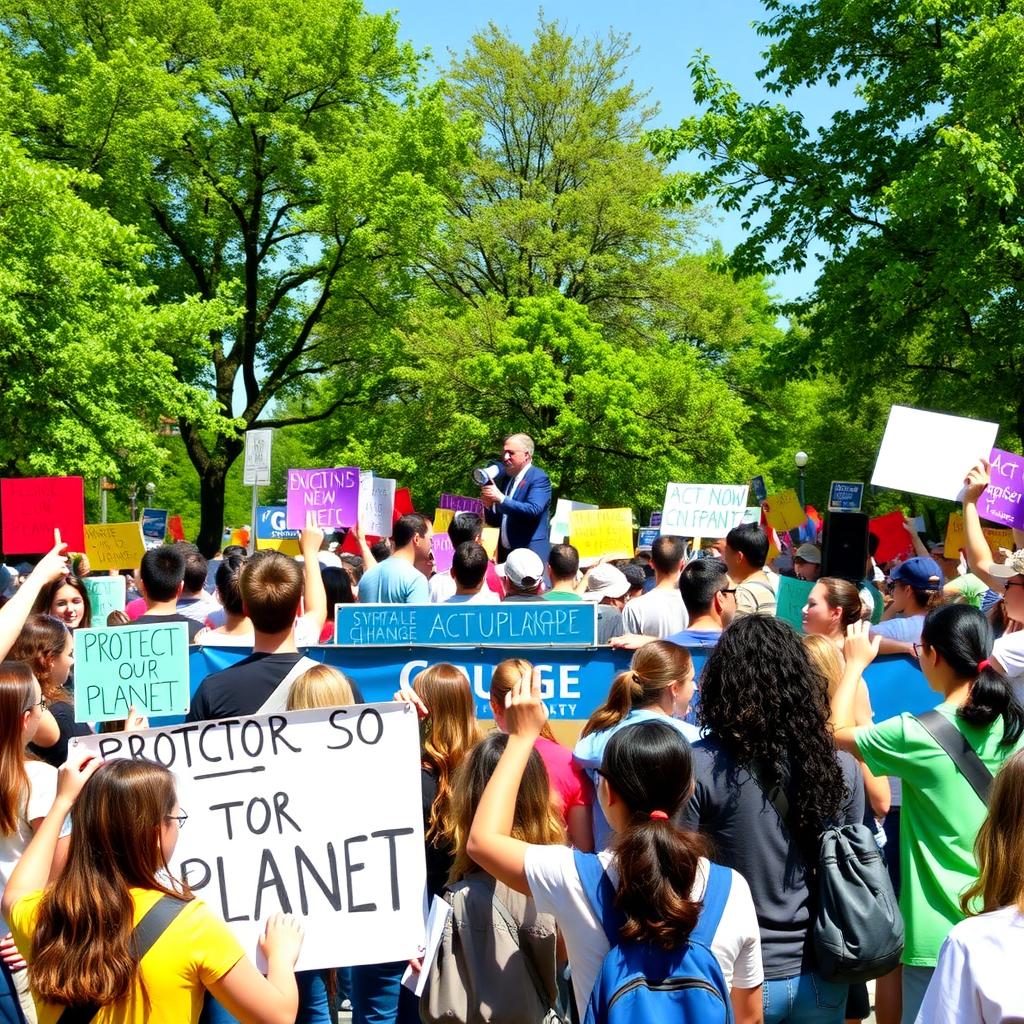
Advocacy is a powerful tool for shaping laws and policies that improve lives. From local campaigns to national movements, volunteers fuel The Impact of Advocacy on Policy Change. This article explores how everyday people drive systemic change, shares personal insights, and highlights volunteer opportunities in advocacy groups.
What Advocacy Really Means
Advocacy is about speaking up for what matters. It’s standing up for cleaner parks, fairer laws, or better schools. I’ve seen this firsthand. A few years ago, I joined a local group pushing for safer crosswalks in our town. We were just regular people—parents, teachers, neighbors—but our voices led to new traffic laws. That’s advocacy: turning passion into action.
At its core, advocacy influences decisions. It’s not just protests or petitions. It can be a quiet chat with a city council member or a viral social media post. According to the National Conference of State Legislatures, advocacy efforts shape thousands of state and federal policies every year. Volunteers are often the heart of these efforts, bringing energy and real-world perspectives.
Why Volunteers Matter in Advocacy
Volunteers are the backbone of advocacy. They don’t have big budgets or fancy titles, but they have grit. Take the 2010 Kansas Clean Indoor Air Act. Volunteers identified 10,000 supportive voters and delivered 4,000 personal messages to lawmakers, flipping 13 votes in 15 months. That’s The Impact of Advocacy on Policy Change in action. Without volunteers, the campaign wouldn’t have passed.
Why do volunteers make such a difference? They’re local. They know the community’s needs. When I helped with the crosswalk campaign, we shared stories of kids dodging cars. Those stories hit home with decision-makers. Volunteers also bring diverse skills—writing, organizing, or just showing up. Every bit helps.
How Advocacy Leads to Policy Change
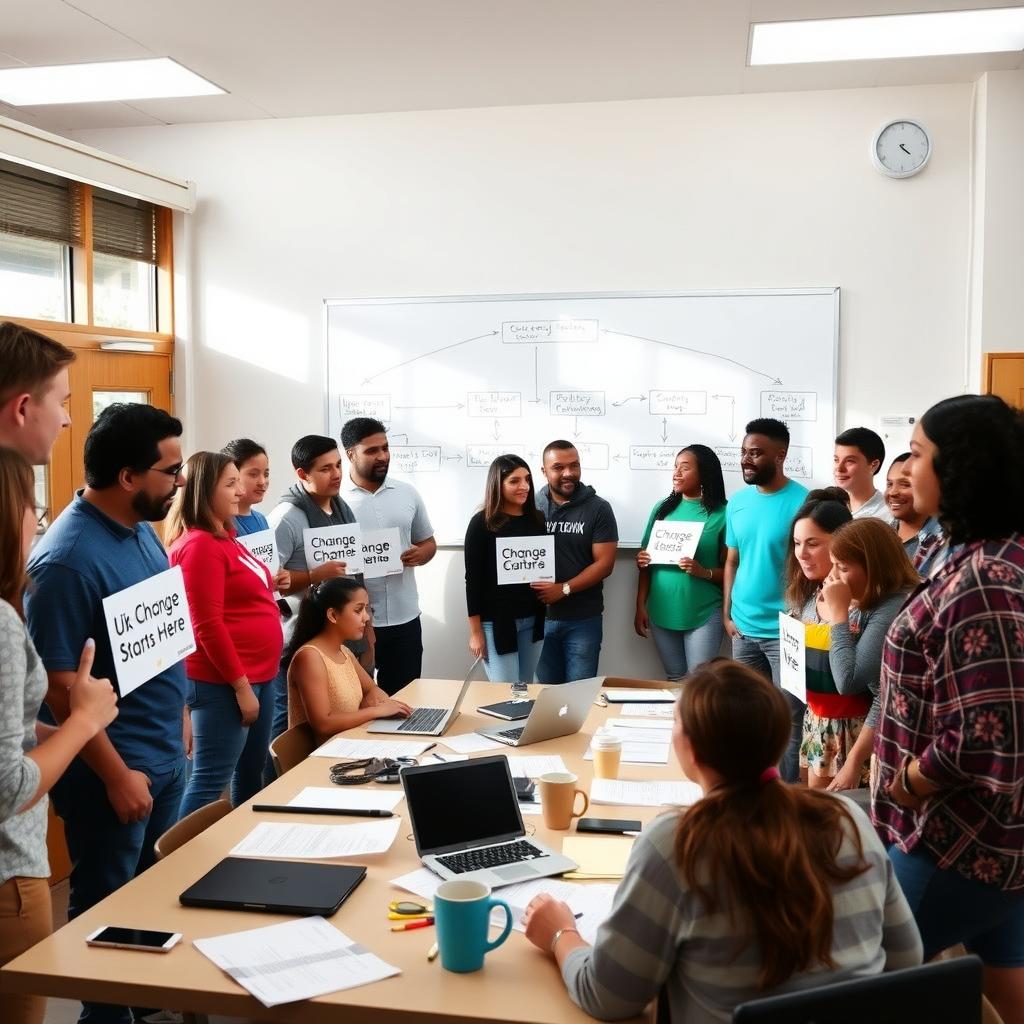
Advocacy works through smart strategies. Here’s how it happens:
- Storytelling: Personal stories make issues real. The #MeToo movement grew because people shared their experiences, pushing for workplace harassment laws.
- Data and Research: Facts back up your case. The World Resources Institute uses data to push for climate policies, like the Paris Agreement.
- Grassroots Mobilization: Getting people involved amplifies your voice. Think of the Ice Bucket Challenge, which raised $220 million for ALS research.
- Coalitions: Teaming up with other groups strengthens your impact. The ACLU often joins forces with local organizations to win court cases.
These strategies turn ideas into laws. For example, our crosswalk campaign used data on accident rates and stories from parents to convince the city council. It wasn’t easy, but it worked.
Volunteer Opportunities in Advocacy Groups
Want to get involved? There are countless volunteer opportunities in advocacy groups. Here’s a quick guide:
| Role | What You Do | Skills Needed | Impact |
|------|-------------|---------------|--------|
| Organizer | Plan events, rallies, or meetings | Teamwork, planning | Builds community support |
| Researcher | Gather data or stories to support the cause | Analytical skills | Strengthens arguments |
| Communicator | Write emails, posts, or speeches | Writing, speaking | Spreads the message |
| Networker | Connect with policymakers or groups | People skills | Opens doors to change |
You don’t need to be an expert. I started as a shy volunteer handing out flyers. Over time, I learned to write emails to officials. Groups like Habitat for Humanity or local environmental coalitions always need help. Search for groups on VolunteerMatch to find opportunities near you.

Challenges Volunteers Face
Advocacy isn’t always smooth. Pushback from powerful groups—like businesses opposing environmental laws—can be tough. Burnout is real, too. I’ve seen friends drop out after months of long meetings. The key? Stay flexible and take breaks. Another challenge is balancing honesty with attention-grabbing tactics. You want to be loud but truthful.
Technology helps overcome these hurdles. Social media spreads messages fast. I once shared a petition online that got 2,000 signatures in a week, leading to a local recycling program. Platforms like Change.org make it easy to start campaigns. But with so much online noise, standing out requires clear, compelling messages.
Real Examples of Policy Change
History is full of advocacy wins. The Civil Rights Act of 1964 came from volunteers marching and speaking out. More recently, West Harlem Environmental Action (WE ACT) worked with Columbia University to convert New York City’s bus fleet to clean diesel, improving air quality. These wins show The Impact of Advocacy on Policy Change.
On a smaller scale, my crosswalk campaign led to new traffic lights at three intersections. It started with a petition and ended with safer streets. Every effort counts, whether it’s a national law or a local fix.
How to Start Volunteering for Advocacy
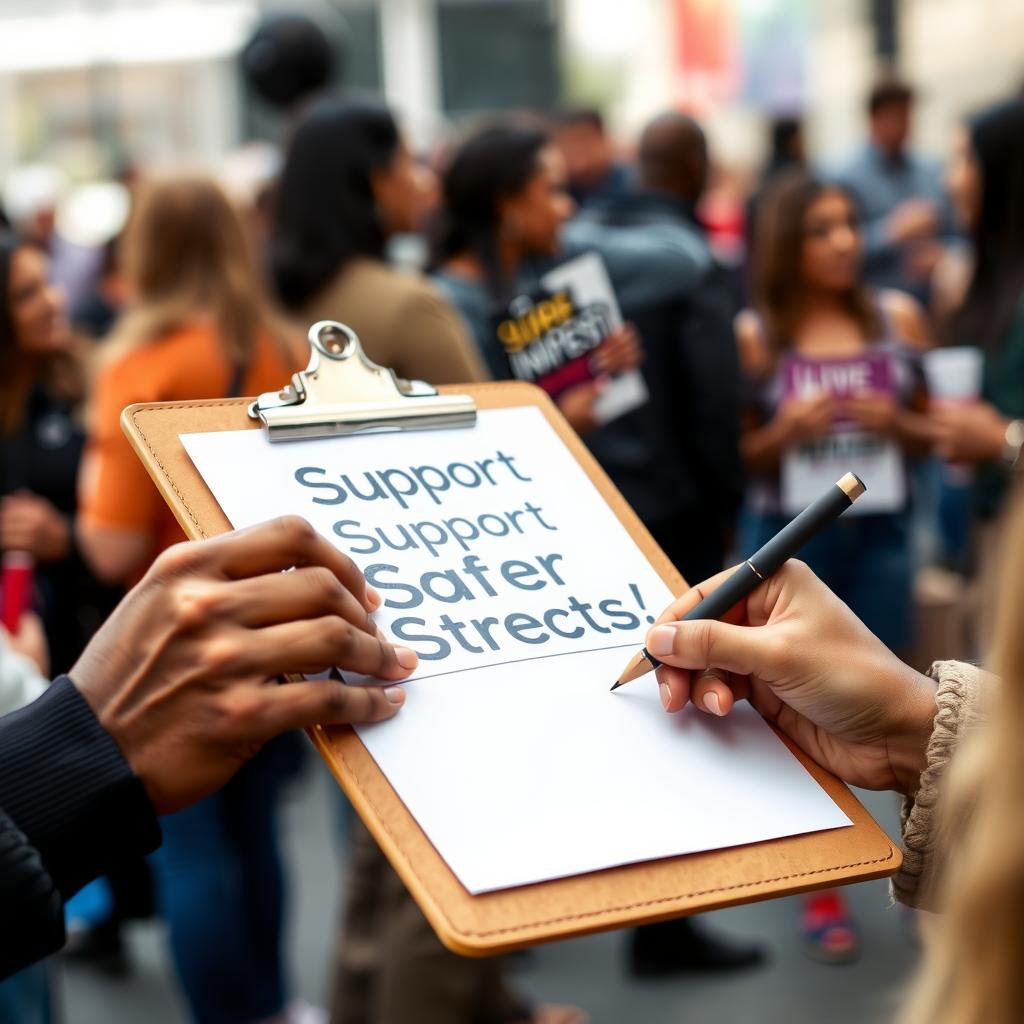
Ready to jump in? Here’s how:
1. Pick a Cause: Choose something you care about, like education or clean water.
2. Learn the Facts: Read up on the issue to speak confidently.
3. Find a Group: Join a local or national advocacy group. Check VolunteerMatch or local nonprofits.
4. Start Small: Attend a meeting or share a post online.
5. Keep Going: Change takes time, so celebrate small wins.
When I started, I felt overwhelmed. But joining a group gave me focus. My first task was simple: handing out flyers. It built my confidence to do more. You can start small, too.
The Bigger Picture
The Impact of Advocacy on Policy Change goes beyond laws. It builds hope. Volunteers show communities they can shape their future. In my town, our campaign didn’t just add crosswalks—it brought neighbors together. People who felt ignored started speaking up.
Advocacy also holds governments accountable. Nonprofits like the ACLU monitor policies to ensure fairness. Volunteers fuel this work, proving anyone can make a difference. As Malala Yousafzai showed with her education campaign, one voice can spark global change.
Summary
The Impact of Advocacy on Policy Change is undeniable. Volunteers drive this change by sharing stories, using data, and building coalitions. Volunteer opportunities in advocacy groups let anyone contribute, from organizing events to signing petitions. With passion and persistence, you can shape policies and strengthen communities. Start small, stay focused, and watch your impact grow.