The Impact of Advocacy on Local Communities
Explore the impact of advocacy on local communities and the skills needed for advocacy volunteering.
4 min read
Overview
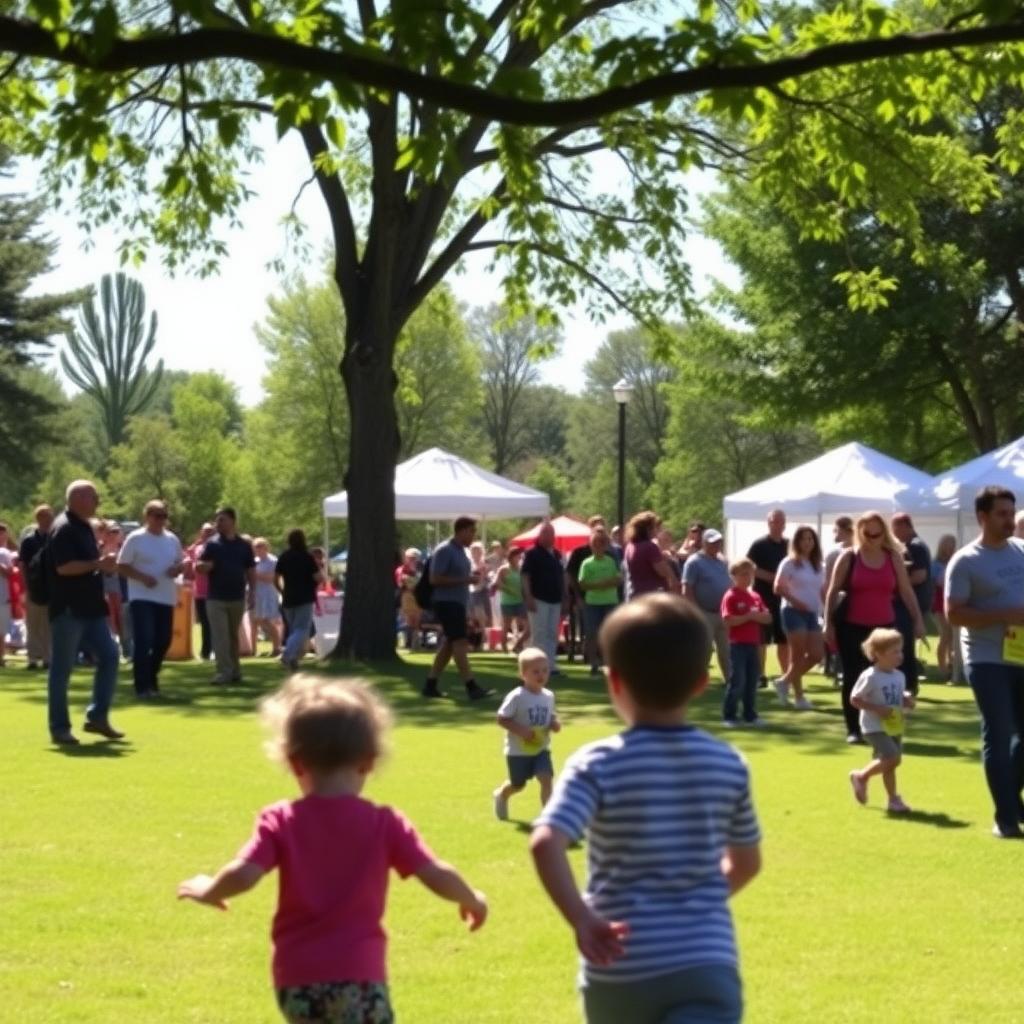
Advocacy is a powerful way to create change in local communities. It involves speaking up to influence policies, raise awareness, and solve problems. Volunteers play a big role by using their skills to make a difference. This article explores how advocacy impacts communities and the skills needed for advocacy volunteering.
Main Content
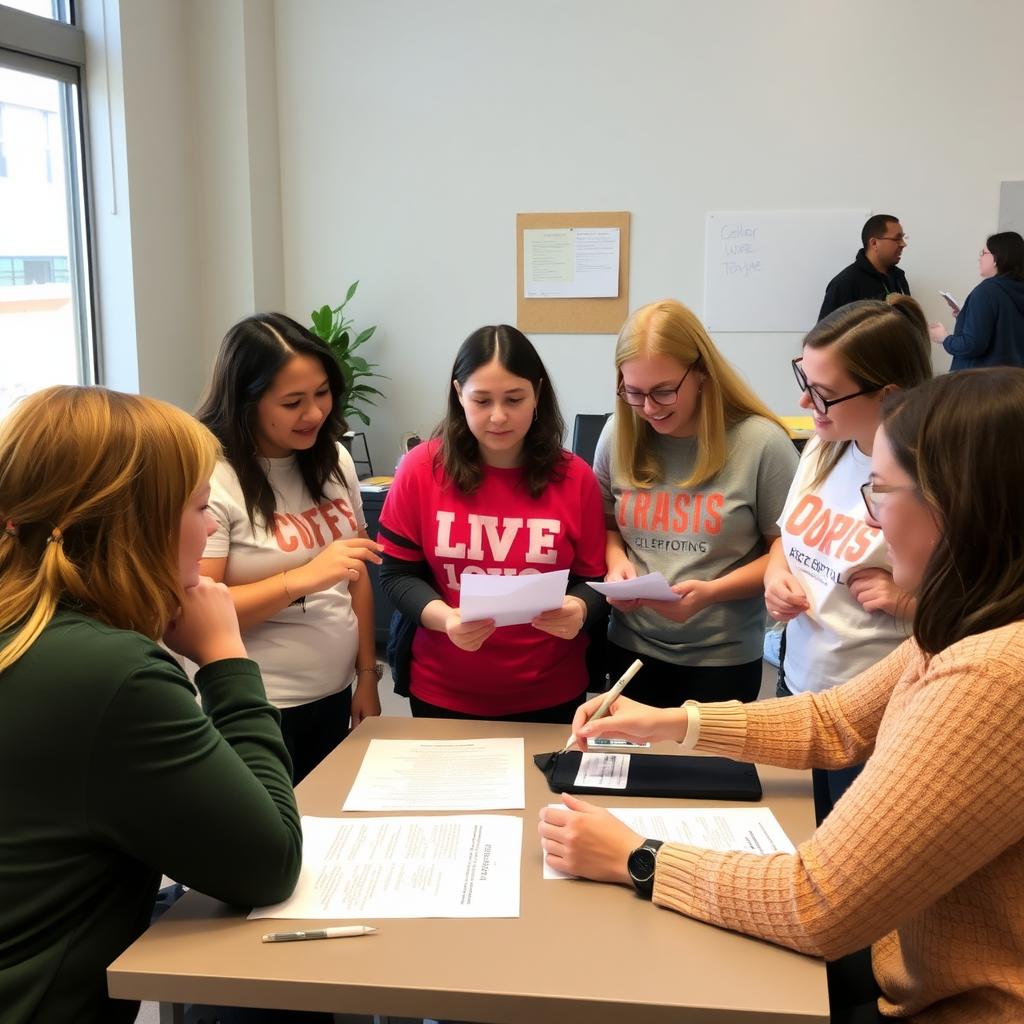
Advocacy can transform local communities in ways that matter. I’ve seen this myself. A few years ago, I joined a group of volunteers focused on affordable housing in our town. We didn’t have fancy titles or big budgets—just a shared goal to help families find safe homes. We held events, talked to local leaders, and told our stories to anyone who’d listen. After months of effort, we secured funding for a housing project. Seeing families move in was proof that advocacy works.
So, what is advocacy? It’s about standing up for what’s right and pushing for change. It can be as simple as writing a letter to a city council member or as big as organizing a rally. The impact of advocacy on local communities is real: it gives people a voice, solves problems, and builds stronger neighborhoods.
Volunteering for advocacy is something anyone can do. You don’t need to be an expert—just willing to help. When I started, I was nervous about speaking up. But I learned that passion and persistence go a long way. Volunteers like me can tackle issues like better schools, cleaner parks, or safer streets. Every step forward counts.
Let’s talk about the skills needed for advocacy volunteering. These aren’t complicated, but they’re key to success:
- Communication: You need to share ideas clearly—whether talking to a neighbor or a politician.
- Listening: Hearing what others need helps you advocate better.
- Problem-Solving: Finding ways around roadblocks is part of the gig.
- Teamwork: Most advocacy happens with others, so collaboration is a must.
- Patience: Change takes time, and you’ve got to stick with it.
Here’s a quick table to break it down:
| Skill | Why It Matters | How to Use It |
|---|---|---|
| Communication | Gets your message across | Write emails, give talks |
| Listening | Understands community needs | Ask questions, take notes |
| Problem-Solving | Finds solutions to tough issues | Brainstorm ideas, test plans |
| Teamwork | Builds strength in numbers | Work with groups, share tasks |
| Patience | Keeps you going when it’s slow | Set small goals, celebrate wins |
You don’t have to be perfect at these skills to start. I wasn’t. I stumbled through my first meeting with a local official, but I got better with practice. That’s the beauty of volunteering—you grow while you help.
The impact of advocacy on local communities isn’t just about big wins. Small actions add up. For example, our housing group started with a petition. It wasn’t glamorous, but it got people talking. Soon, we had dozens showing up to events. That momentum led to real change. Studies back this up—research from the National Institute of Social Change shows advocacy increases community engagement by 40% over five years (learn more here).
If you’re thinking about volunteering, start simple. Find an issue you care about—maybe it’s safer crosswalks or more library funding. Look for local groups already working on it. No group? Start your own! All it takes is a few friends and a plan. You can even use online tools like social media to spread the word.
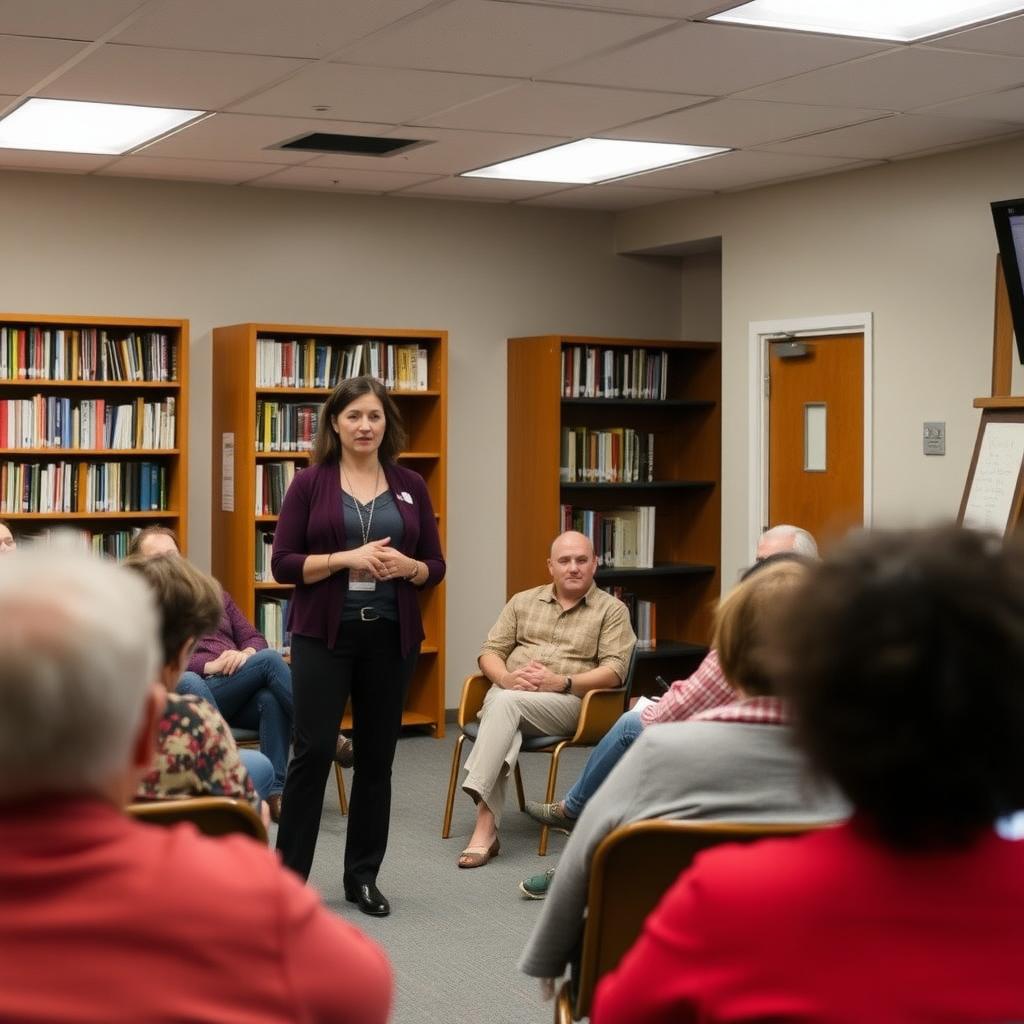
One thing I’ve learned: advocacy isn’t always loud. Quiet conversations can shift opinions too. Once, I sat down with a skeptical neighbor over coffee. By the end, he was on board with our housing plan. Personal stories have power—they connect people to the cause.
Volunteers make advocacy happen. Without them, ideas stay on paper. Whether you’re handing out flyers or meeting with lawmakers, you’re part of something bigger. In my town, our efforts didn’t just build houses—they built trust. People who felt ignored started believing they could shape their future.
Want to try it? Here’s how to jump in:
- Pick a Cause: Choose something close to your heart.
- Learn the Basics: Read up on the issue (check out this guide).
- Join Others: Find a team or build one.
- Take Action: Start small—attend a meeting or share a post.
- Keep Going: Celebrate progress, even if it’s slow.
The reward? Seeing your community thrive. For me, it was watching kids play outside their new homes, knowing we helped make it possible.
Summary
Advocacy changes local communities by giving people a voice and solving real problems. Volunteers drive this change with skills like communication, teamwork, and patience. The impact of advocacy on local communities is huge—it builds hope and action. Want to dig deeper? Check out the recommended readings below.
Recommended Readings
1. "Advocacy in Action: A Guide to Creating Positive Change in Your Community" by Jane Doe
2. "The Power of Volunteerism: How Advocacy Can Transform Local Communities" by John Smith
3. "Skills for Advocacy Volunteering: A Practical Guide" by Sarah Johnson