The Impact of Service Learning on Communities
Explore how service learning benefits communities by addressing local needs, fostering engagement, and promoting social responsibility. Discover opportunities and resources for community organizations.
4 min read
Service learning blends community service with structured learning, creating a win-win for communities and learners. It tackles local needs, boosts engagement, and builds social responsibility. This article dives into The Impact of Service Learning on Communities, offering insights and practical ways to get involved.
What is Service Learning?
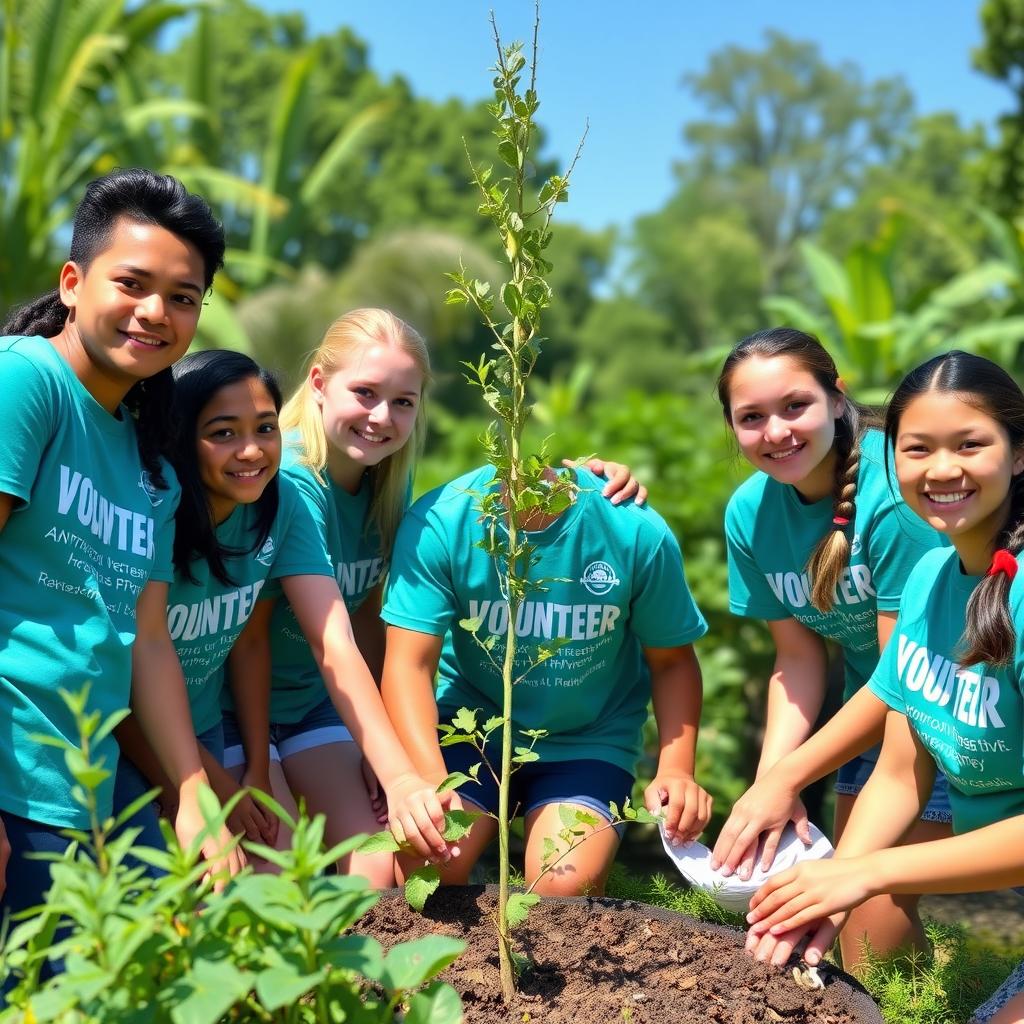
Service learning is more than just volunteering. It’s an educational method that pairs hands-on community service with clear learning goals and reflection. The aim? To enrich learning, teach civic duty, and strengthen communities. Unlike regular volunteering, it’s tied to specific lessons—like studying environmental science while cleaning up a park.
Think of students helping at a soup kitchen while learning about poverty. They don’t just serve food; they reflect on the experience and connect it to bigger issues. This makes service learning a powerful tool for personal growth and community impact.
Why Service Learning Matters to Communities
Service learning changes communities for the better. Here’s how:
-
Meeting Local Needs: Projects target real problems—like tutoring kids to boost literacy or planting gardens for fresh food. Communities see direct results.
-
Bringing People Together: It connects schools, nonprofits, and residents. Everyone works as a team, building stronger ties and a sense of belonging.
-
Growing Social Responsibility: Participants learn to care about their community. They’re more likely to keep helping long after the project ends.
-
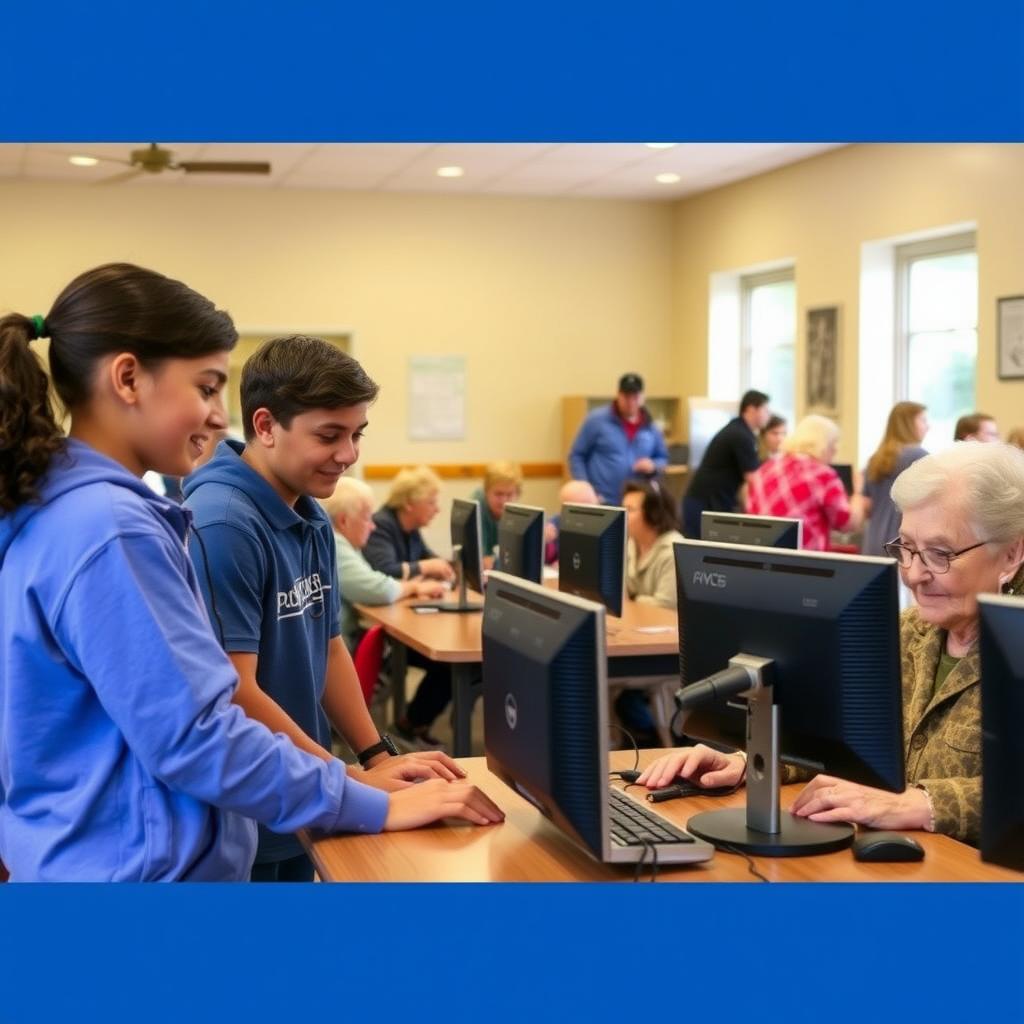
Boosting Skills: Communities gain too. Volunteers might teach seniors tech skills or train locals in leadership, leaving behind lasting know-how.
Service Learning in the Community: A Resource for Community Organizations by the National Service-Learning Clearinghouse calls it a game-changer for local groups. It’s a practical way to tackle challenges while building capacity.

Finding Service Learning Opportunities in Local Communities
Want to join in? Service learning opportunities in local communities are everywhere. Here’s where to look:
| Source | What to Expect |
|---|---|
| Schools & Colleges | Programs tied to classes or campus groups. |
| Nonprofits | Projects matching their mission—like food aid. |
| Community Centers | Events like youth mentoring or health fairs. |
| Online Tools | Sites like the National Service-Learning Clearinghouse list options near you. |
Start by checking with your school or a nearby nonprofit. You’d be surprised how many groups need volunteers for service learning projects. It’s a chance to make a difference and learn something new.
My Take: Service Learning in Action
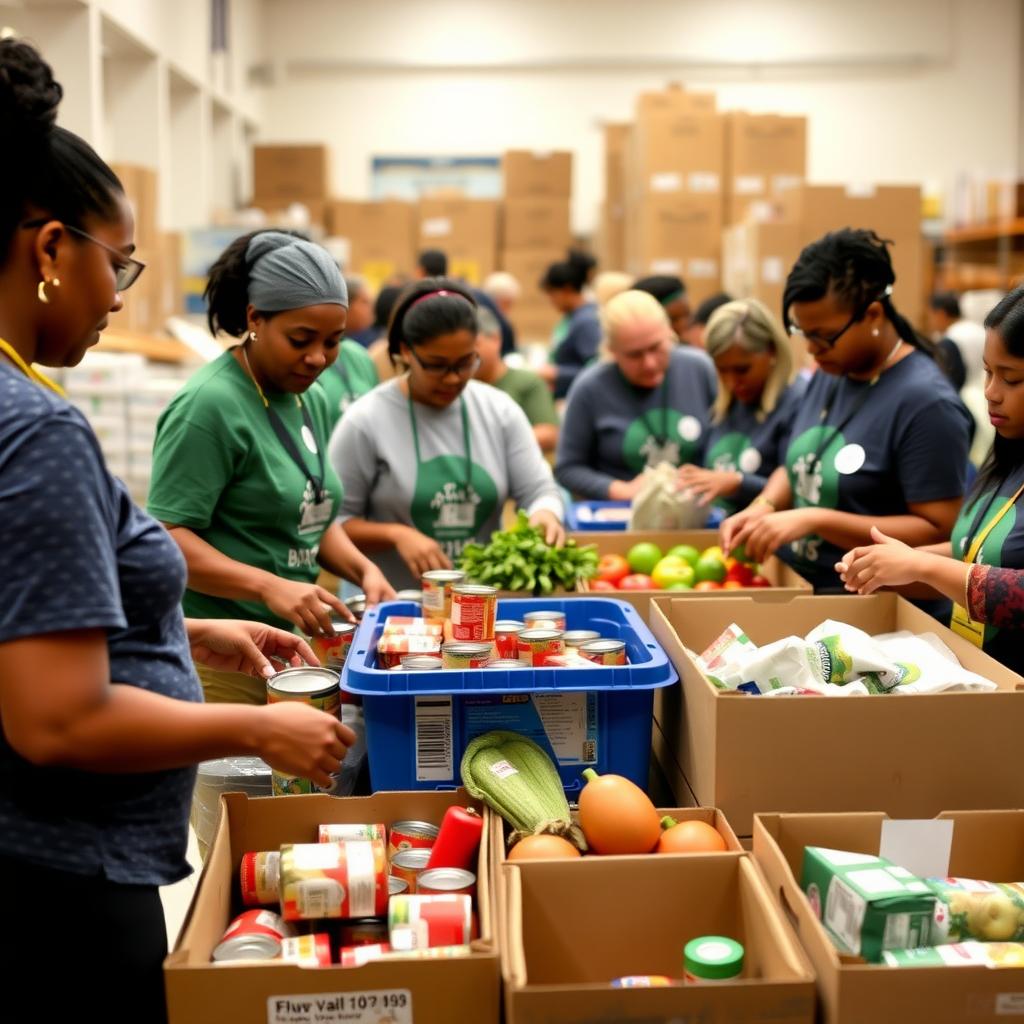
I’ve seen service learning up close, and it’s inspiring. A few years back, I joined a project with a local food bank. Our goal was to fight hunger, but it went deeper than that. We studied food insecurity, ran food drives, and even built a small community garden.
The best part? Seeing the impact. Families got fresh veggies, and I learned how complex hunger is—poverty, access, education all play a role. It wasn’t just work; it was personal. I walked away more empathetic and determined to help. That’s what service learning does—it sticks with you.
How to Jump Into Service Learning
Ready to try it? Here’s a simple plan:
- Pick Your Passion: Love kids? Care about the environment? Find a cause that clicks.
- Look Around: Ask schools, nonprofits, or check online for service learning opportunities in local communities.
- Make Contact: Reach out to the group. Ask what they need and how you fit in.
- Get Ready: Learn about the community and its challenges before you start.
- Think It Over: After, reflect. What did you learn? How did it change you or the community?
It’s straightforward but powerful. You’ll help out and grow at the same time.
Real Benefits, Real Stories
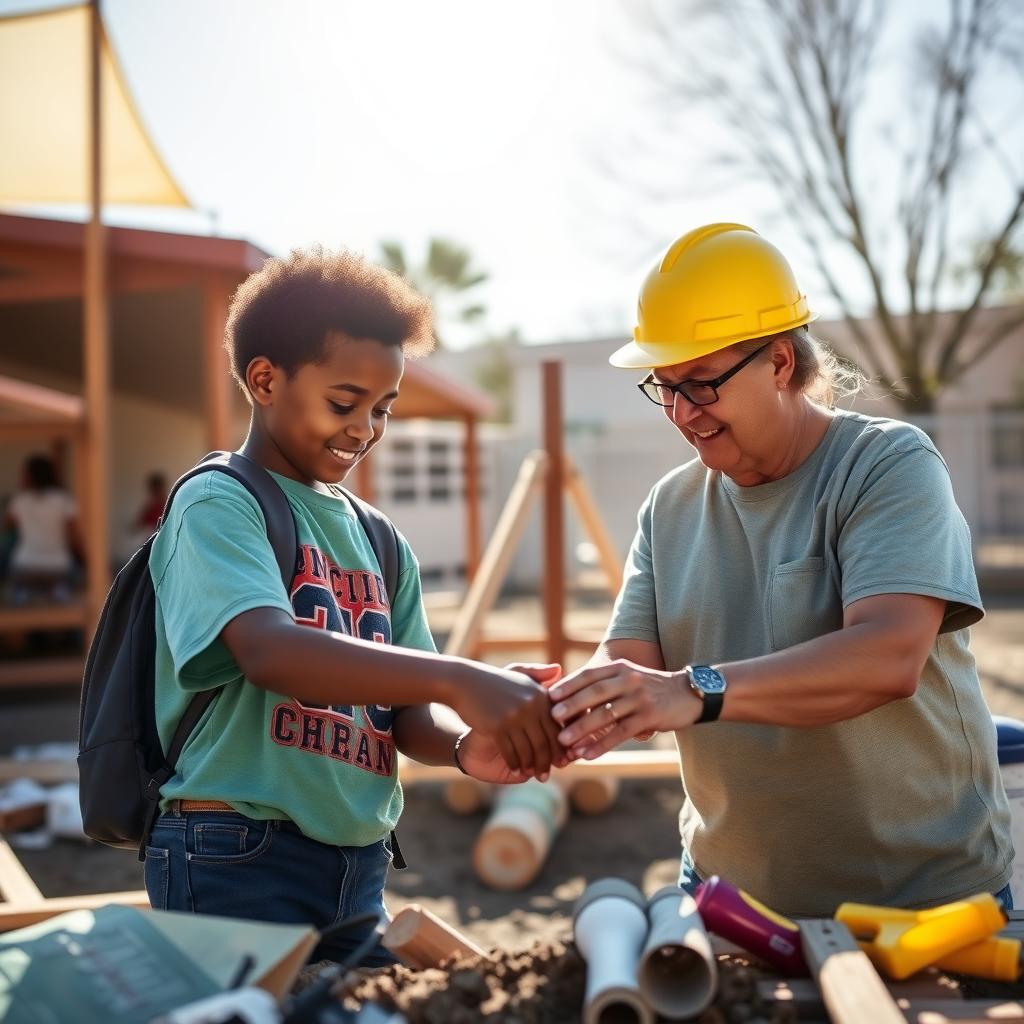
Service learning isn’t just theory—it works. Take a project I heard about where students built homes with a housing charity. They learned construction basics while giving families a place to live. The community got homes, and the students got skills and pride. Or consider volunteers at a river clean-up who studied pollution’s effects—real data, real change.
These stories show The Impact of Service Learning on Communities. It’s hands-on, practical, and personal. Plus, resources like the National Service-Learning Clearinghouse back it up with data and ideas for more projects.
Tips for Making It Work
To get the most out of service learning, keep it real. Work with people who know the community—local leaders or nonprofits. Set clear goals so everyone knows what’s expected. And don’t skip the reflection—it’s where the learning sinks in.
I’ve found small projects can snowball. A cleanup day might spark a recycling program. A tutoring session could grow into a mentorship network. Start where you stand, and watch it spread.
Wrapping Up
Service learning is a bridge between helping out and learning something valuable. It tackles local needs, builds community spirit, and grows responsible citizens. Whether you’re a student, a volunteer, or just curious, there’s a place for you in service learning opportunities in local communities. Dive in—it’s worth it.
Want more? Check out the recommended readings below for deeper insights and next steps.