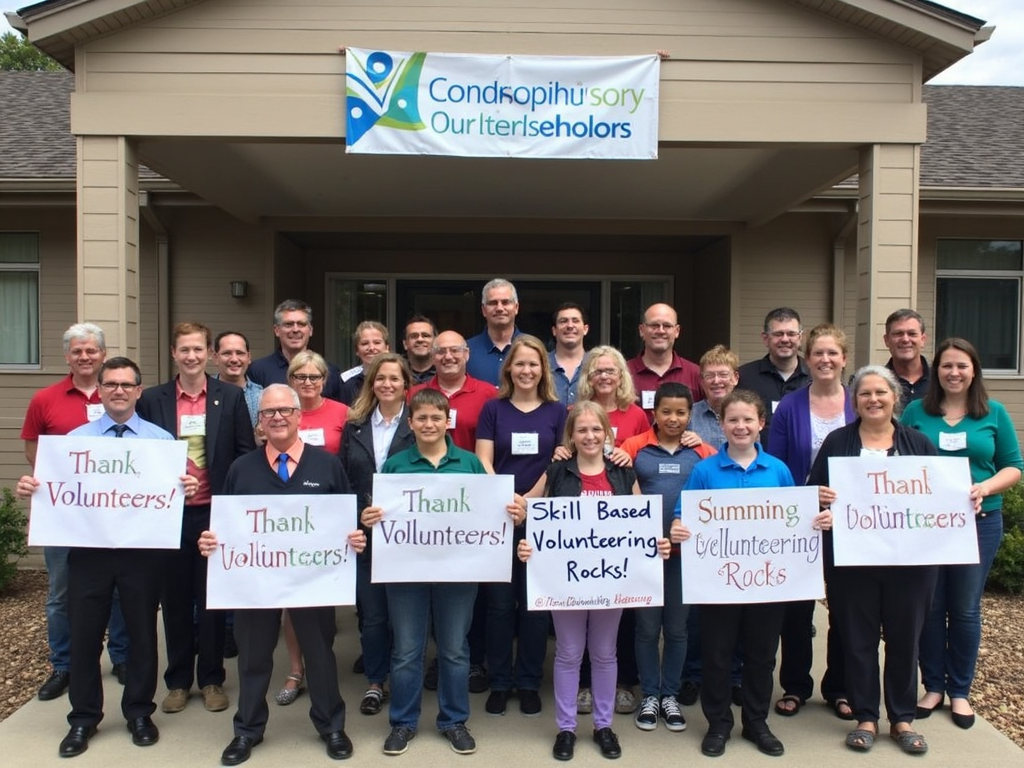
The Impact of Volunteering on Education: Why Schools Need More Skill-Based Volunteers
Explore how skill-based volunteering transforms education by bringing real-world expertise into classrooms, benefiting students, teachers, and communities alike.
3 min read
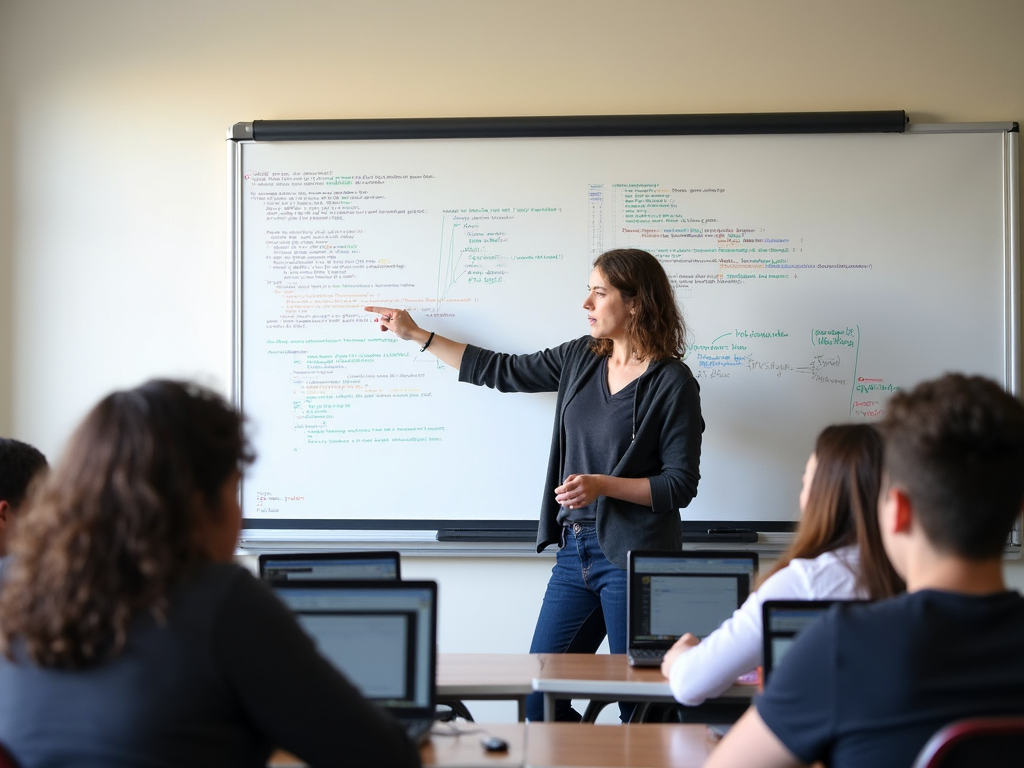
Volunteering in education is more than just an extra pair of hands; it's a powerful way to enrich the learning experience. When volunteers bring their professional skills into the classroom, they open up new worlds of possibility for students. This article explores the profound impact of skill-based volunteering on education, highlighting why schools need more of these dedicated individuals.
What is Skill-Based Volunteering?
Skill-based volunteering is a unique form of giving back where individuals use their professional expertise to support educational initiatives. Unlike general volunteering, which might involve tasks like chaperoning field trips or organizing events, skill-based volunteers bring specific talents—such as coding, design, or scientific knowledge—directly into the classroom. This approach not only fills gaps in school resources but also exposes students to real-world applications of what they're learning.
For example, a software engineer might teach a coding workshop, showing students how to build a simple app. A graphic designer could lead a project on digital art, helping students create their own designs. These experiences are invaluable, as they connect classroom lessons to tangible skills and potential career paths.

The Benefits of Skill-Based Volunteering
The impact of skill-based volunteering extends far beyond the classroom walls. Here’s how it benefits everyone involved:
For Students
- Exposure to New Skills: Students gain hands-on experience with skills they might not otherwise encounter, such as programming, design, or scientific research.
- Career Inspiration: Meeting professionals who are passionate about their work can inspire students to explore new career paths.
- Enhanced Learning: Real-world examples make abstract concepts more concrete, helping students grasp complex ideas more easily.
For Teachers
- Additional Support: Volunteers can take on specialized tasks, allowing teachers to focus on core curriculum areas.
- Professional Development: Collaborating with skilled volunteers can introduce teachers to new teaching methods and technologies.
- Resource Enrichment: Volunteers often bring materials or tools that schools might not have, enriching the learning environment.
For the Community
- Stronger Connections: Volunteering fosters a sense of community by bringing together educators, professionals, and families.
- Cultural Exchange: Volunteers from diverse backgrounds can introduce students to different cultures and perspectives.
- Economic Benefits: By preparing students with relevant skills, communities can build a more capable and competitive workforce.
Real-Life Examples of Skill-Based Volunteering
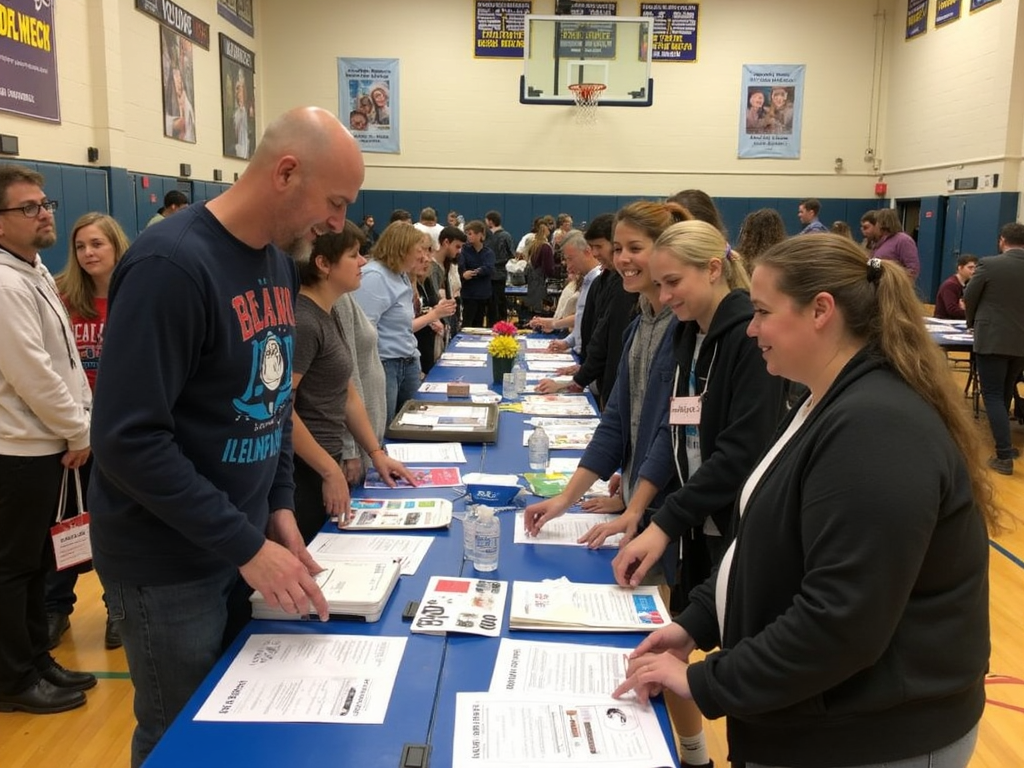
To understand the true impact, let’s look at some real-life examples:
- Tech Industry Partnership: A local tech company partners with a school to provide coding workshops. Volunteers from the company teach students how to code, culminating in a project where students create their own games. This not only teaches technical skills but also boosts creativity and problem-solving.
- Art and Design Initiative: A group of graphic designers volunteers to run a semester-long art project. Students learn about design principles, digital tools, and even create their own portfolios. This exposure can spark a lifelong passion for the arts.
- Science Mentorship Program: Scientists from a nearby research institute volunteer to mentor students in science fairs. They guide students through the scientific method, helping them develop hypotheses, conduct experiments, and present their findings. This hands-on experience can ignite a love for science and research.

Challenges and Solutions in Skill-Based Volunteering
While the benefits are clear, implementing skill-based volunteering programs isn’t without its challenges. Here are some common obstacles and how to overcome them:
- Scheduling Conflicts: Volunteers often have full-time jobs, making it hard to find time to volunteer. Solution: Schools can offer flexible volunteering schedules, such as after-school programs or weekend workshops.
- Training and Preparation: Volunteers may need guidance on how to work with students. Solution: Provide training sessions or resources to help volunteers understand classroom dynamics and teaching strategies.
- Aligning Skills with Needs: It can be challenging to match volunteer skills with specific educational needs. Solution: Schools should conduct needs assessments and communicate clearly with potential volunteers about what skills are most needed.
By addressing these challenges proactively, schools can create a welcoming environment for skill-based volunteers, ensuring that both parties benefit from the experience.
Conclusion: The Ripple Effect of Volunteering
Skill-based volunteering in education is a win-win for everyone involved. Students gain invaluable skills and inspiration, teachers receive much-needed support, and communities grow stronger and more connected. Moreover, volunteers themselves often find the experience deeply rewarding, as they see the direct impact of their contributions.
If you’re considering volunteering, remember that your unique skills can make a real difference. Whether you’re a tech guru, an artist, or a scientist, there’s a place for you in education. By sharing your expertise, you’re not just helping students—you’re shaping the future.