The Impact of Volunteering on Mental Health: A Path to Well-Being
Discover how volunteering can boost mental health, reduce stress, and foster a sense of purpose. This article explores the psychological benefits of giving back, with insights for college students and practical tips for finding meaningful volunteer opportunities.
5 min read
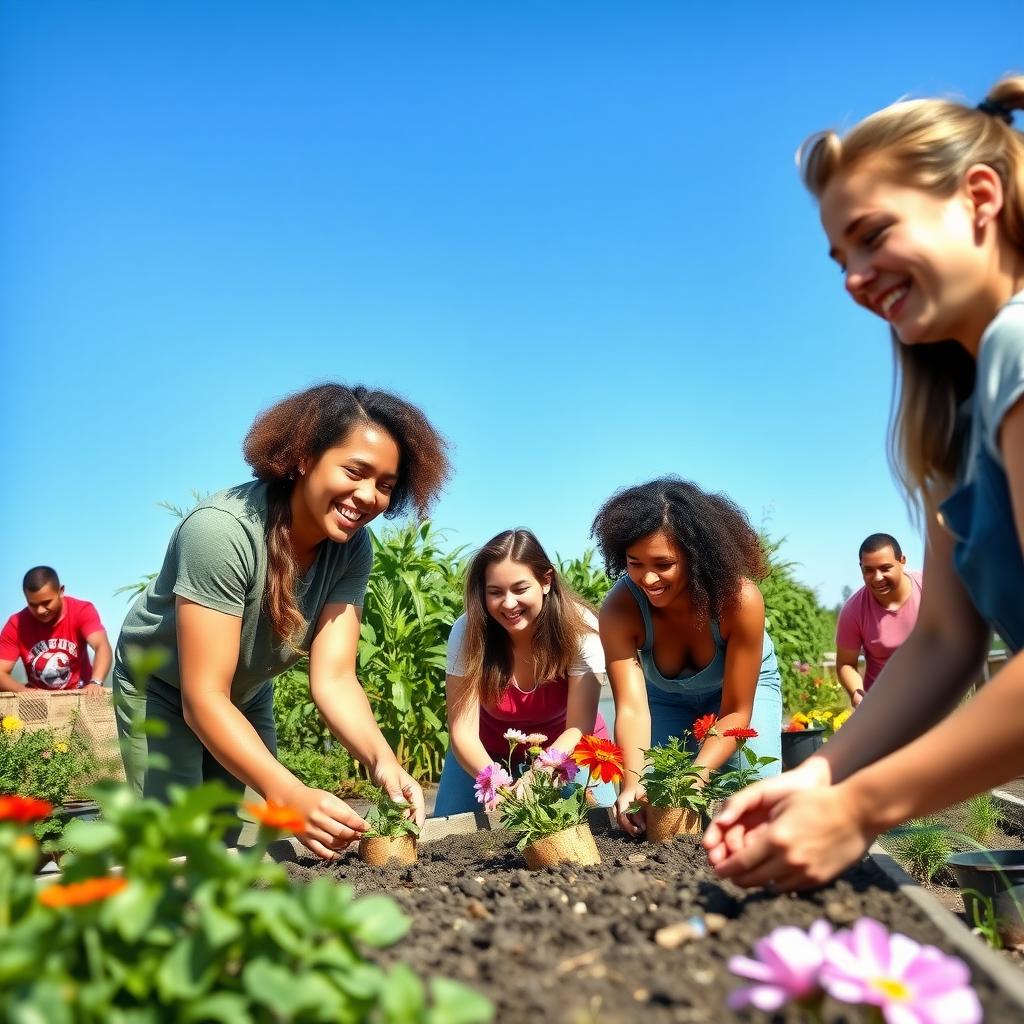
Overview
Volunteering isn’t just about helping others—it’s a powerful way to improve your mental health. From reducing stress to building connections, giving back can transform your life. This article dives into The Impact of Volunteering on Mental Health - Psychology Today, exploring how acts of service benefit both the giver and the community.
Why Volunteering Feels So Good
When you volunteer, you’re not just donating time—you’re investing in your own well-being. Studies, like those highlighted in Psychology Today, show that volunteering can lower depression, reduce anxiety, and boost overall happiness. The act of helping others triggers the release of dopamine, the brain’s feel-good chemical. I remember my first time volunteering at a local food bank. Sorting donations and chatting with the team left me energized, like I’d done something bigger than myself.
Volunteering also gives you a sense of purpose. In a world where stress and isolation are common, having a reason to get out of bed can be a game-changer. Whether it’s tutoring kids or cleaning up a park, these small acts remind you that you’re part of something meaningful. The beauty of it? You don’t need to solve world hunger to feel the impact—just showing up makes a difference.

The Science Behind Volunteering and Mental Health
Research backs up the feel-good vibes. A 2013 study in Social Science & Medicine found that volunteering reduces symptoms of depression, especially in older adults. Another study from the University of Exeter showed that people who volunteer regularly report higher life satisfaction. Why? Volunteering fosters social connections, which are critical for mental health. When you work alongside others, you build a support network, even if it’s just for a few hours a week.
For college students, The Long-Term Benefits of Volunteering in College are especially compelling. A 2018 report from the National Association of Colleges and Employers noted that students who volunteer are more likely to develop leadership skills and emotional resilience. These traits not only help in school but also make you stand out in the job market. Plus, volunteering can be a break from the pressures of exams and deadlines.
Volunteering as a Stress-Buster
College life can be overwhelming—papers, exams, and social pressures pile up fast. Volunteering offers a way to hit pause. When I started volunteering at an animal shelter during my sophomore year, I noticed something surprising. Scooping litter boxes and walking dogs gave me a mental break. It was like a mini-vacation from my worries. Focusing on the animals forced me to stay present, which psychologists call mindfulness. This aligns with findings in Psychology Today, which highlight how volunteering shifts your focus away from personal stress.
Here’s a quick look at how volunteering can reduce stress:
| Activity | Stress-Relief Benefit |
|---|---|
| Helping others | Boosts mood through altruistic behavior |
| Social interaction | Reduces feelings of isolation |
| Physical tasks | Releases endorphins, similar to exercise |
| Structured routine | Creates a sense of control and predictability |

The Power of Volunteering: How Giving Back Can Transform Your Life
The Power of Volunteering: How Giving Back Can Transform Your Life isn’t just a catchy phrase—it’s a reality. Volunteering builds confidence and self-esteem. When you see the direct impact of your work, like a child’s smile after a tutoring session, you feel capable and valued. This sense of accomplishment can carry over into other areas of your life, from academics to relationships.
For college students, volunteering can also shape your future. Programs like service learning integrate volunteering into coursework, letting you earn credits while making a difference. These experiences teach problem-solving and teamwork, skills employers love. Plus, they give you stories to share in job interviews—real examples of how you’ve made an impact.
Finding Volunteer Opportunities for College Students
Wondering where to start? Volunteer opportunities for college students are everywhere, and many are flexible enough to fit a busy schedule. Here are some ideas: - Campus organizations: Join clubs focused on community service, like Habitat for Humanity. - Local nonprofits: Food banks, shelters, and literacy programs often need help. - Virtual volunteering: Tutor online or help with social media for a cause. - Service learning programs: Check if your college offers courses that combine volunteering with academics.
Start small—commit to a few hours a month. Websites like VolunteerMatch.org or your college’s career center can connect you with opportunities. I found my animal shelter gig through a campus bulletin board, and it became the highlight of my week.

Overcoming Barriers to Volunteering
Let’s be real—volunteering can feel daunting. Time constraints, shyness, or not knowing where to start can hold you back. I hesitated at first, worried I wouldn’t fit in at the food bank. But once I showed up, the team was welcoming, and the work was straightforward. If you’re nervous, bring a friend or choose low-pressure tasks like organizing donations.
Time management is another hurdle, especially for students. Try scheduling volunteering like a class—block off a specific time each week. Even one hour can make a difference. And don’t feel pressured to commit long-term; many organizations are happy with short-term help.
Long-Term Benefits for Your Mind and Soul
The Long-Term Benefits of Volunteering in College go beyond feeling good in the moment. Regular volunteering can improve your emotional resilience, helping you handle life’s ups and downs. It also builds empathy, as you connect with people from different walks of life. Over time, these experiences shape how you see the world and yourself.
For me, volunteering became a habit. What started as a one-off event turned into a regular part of my routine. Years later, I still carry the lessons I learned—patience, gratitude, and the value of community. These aren’t just buzzwords; they’re real changes that stick with you.
Summary
Volunteering is more than a resume booster—it’s a proven way to improve your mental health. From reducing stress to building connections, The Impact of Volunteering on Mental Health - Psychology Today shows how giving back benefits everyone. Whether you’re a college student or just looking for purpose, volunteering can transform your life. Start small, find a cause you care about, and see where it takes you.