The Impact of Volunteering on Mental Health and Well-being
Discover how volunteering boosts mental health and well-being. This comprehensive guide explores the emotional, social, and psychological benefits of giving back, with practical tips on creative ways to volunteer locally and insights into service learning opportunities in local communities.
4 min read
Overview
Volunteering does more than help others—it transforms your mental health and well-being. By giving your time, you gain purpose, connection, and joy. This article dives into The Impact of Volunteering on Mental Health and Well-being, offering insights, practical tips, and Creative Ways to Volunteer Locally to enrich your life.
Why Volunteering Feels So Good
When you volunteer, you’re not just helping a cause—you’re helping yourself. Studies show that giving time to others reduces stress, boosts mood, and even lowers symptoms of depression. A 2017 study from the University of Southampton found that volunteers report higher life satisfaction and lower anxiety levels than non-volunteers. Why? Volunteering taps into your brain’s reward system, releasing feel-good chemicals like dopamine and oxytocin.
Think about it: when you help someone, you feel useful. That sense of purpose can pull you out of a mental rut. Whether it’s serving meals at a shelter or teaching kids to read, the act of giving creates a ripple effect of positivity.

The Science Behind Volunteering and Mental Health
Volunteering isn’t just a feel-good activity—it’s backed by science. A 2020 meta-analysis by Harvard University showed that regular volunteering is linked to lower rates of depression and increased life expectancy. The key lies in social connection. Humans are wired for community, and volunteering builds bonds that combat loneliness.
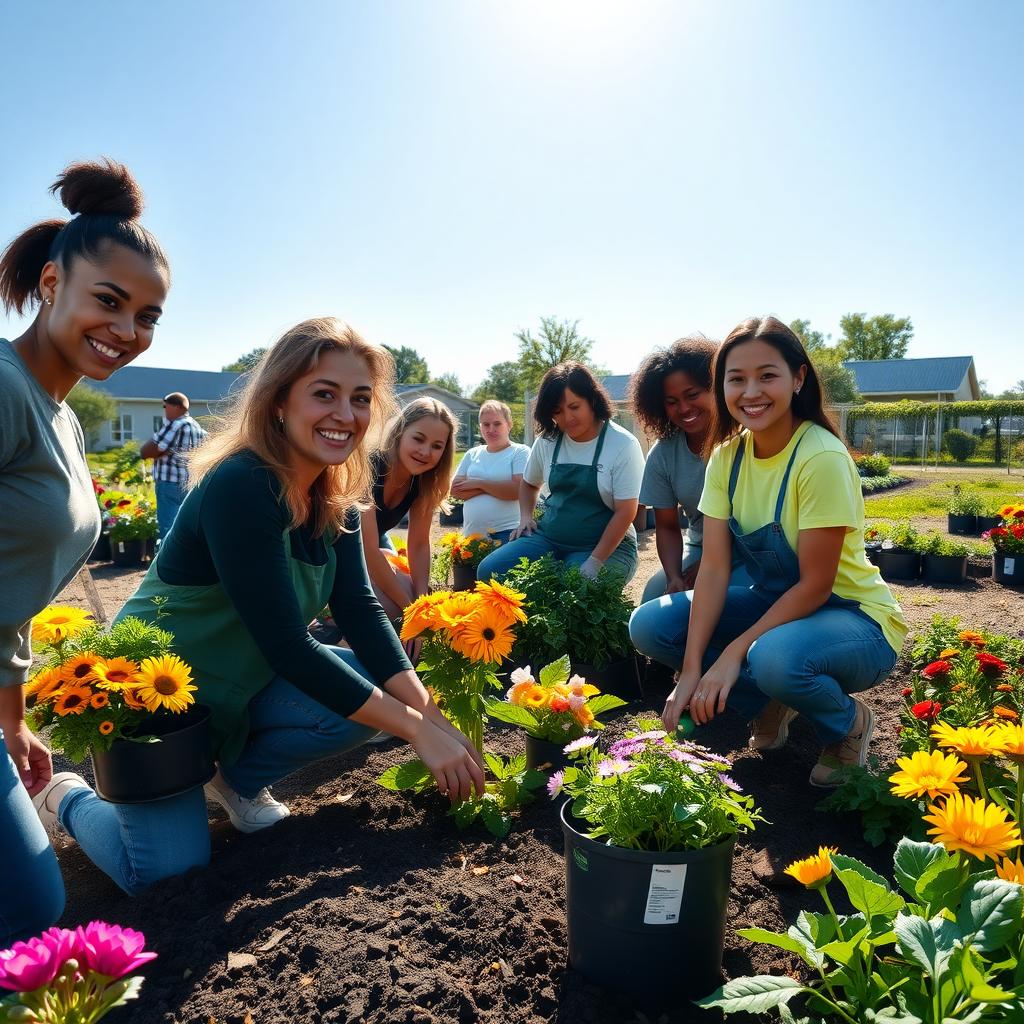
Volunteering also promotes mindfulness. When you focus on helping others, you step away from your own worries. This shift in perspective can reduce overthinking and stress. For example, organizing a local cleanup keeps you present, physically active, and connected to your community—all proven to lift your mood.
Creative Ways to Volunteer Locally
Volunteering doesn’t have to mean long hours at a soup kitchen (though that’s great too!). Here are some Creative Ways to Volunteer Locally that fit different schedules and interests:
- Skill-based volunteering: Are you a graphic designer? Offer to create flyers for a local nonprofit. A writer? Help craft grant proposals.
- Micro-volunteering: Short on time? Try apps like Be My Eyes, where you assist visually impaired people via video calls in just minutes.
- Virtual volunteering: Tutor students online or manage a nonprofit’s social media from home.
- Community projects: Join a mural-painting group or help build a playground.
These options let you give back in ways that spark joy and match your lifestyle. Check local platforms like VolunteerMatch to find opportunities near you.

Service Learning: A Deeper Connection
Service learning combines volunteering with personal growth, often through structured programs. Unlike traditional volunteering, service learning opportunities in local communities focus on reflection and learning. For example, a college student might volunteer at a homeless shelter while studying social issues, gaining both experience and insight.
Service learning builds empathy and critical thinking. A 2018 study by the National Service-Learning Clearinghouse found that participants reported stronger self-esteem and better problem-solving skills. Local libraries, schools, and universities often offer service learning programs, blending community impact with personal development.
Volunteering as a Stress Reliever
Life can feel overwhelming, but volunteering offers a surprising antidote. Physical activity from tasks like planting trees or building homes releases endorphins, which ease stress. Even less active roles, like reading to seniors, provide calm and connection. A personal story: after a tough week, I spent a Saturday cleaning a local park. The fresh air, teamwork, and visible results left me recharged.
Volunteering also gives you control in a chaotic world. You choose how to help, which feels empowering. Plus, seeing the direct impact of your work—like a child’s smile after a tutoring session—reminds you that small actions matter.
Building Social Bonds
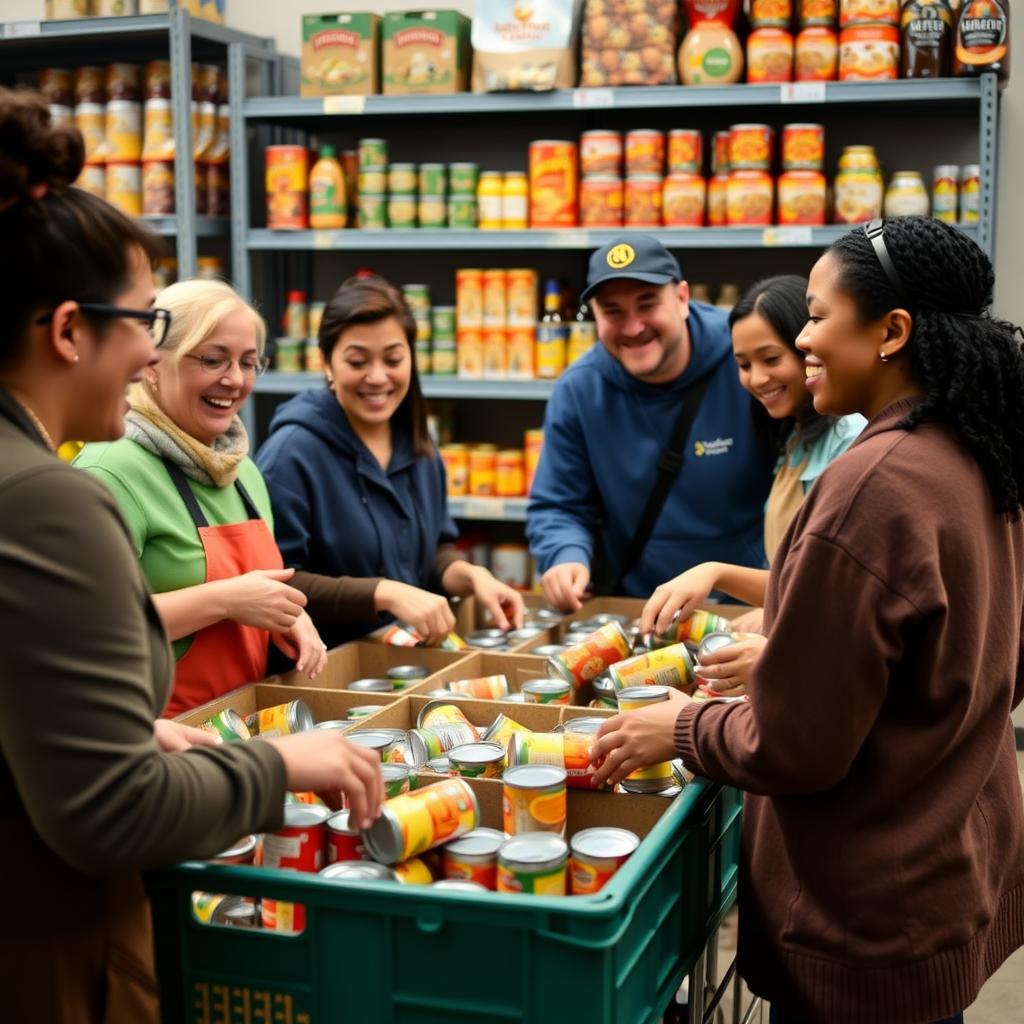
Loneliness is a growing issue, with the CDC reporting it affects mental health as much as smoking or obesity. Volunteering counters this by creating community. Whether you’re sorting donations or coaching a youth team, you meet people who share your values. These connections often grow into lasting friendships.
For introverts, volunteering can be a low-pressure way to socialize. You’re focused on a task, not forced small talk. Over time, these shared experiences build trust and belonging, which are vital for mental well-being.
How to Get Started
Ready to volunteer? Here’s a simple plan:
- Identify your passions: Love animals? Try a shelter. Enjoy teaching? Look for tutoring programs.
- Research local needs: Check community boards, libraries, or sites like Points of Light for opportunities.
- Start small: Commit to one event, like a beach cleanup, to test the waters.
- Reflect: After volunteering, journal about how it felt. This boosts the mental health benefits.
Don’t overthink it—just start. Even a few hours a month can make a difference for you and your community.
Potential Challenges and Solutions
Volunteering isn’t always easy. Time constraints, burnout, or feeling unappreciated can arise. Here’s how to navigate them:
| Challenge | Solution |
|---|---|
| Limited time | Try micro-volunteering or one-time events. |
| Burnout | Set boundaries and choose roles that energize you. |
| Feeling unappreciated | Seek organizations with strong volunteer support systems. |
Talking to other volunteers can also help. Sharing experiences builds camaraderie and keeps you motivated.
Summary
The Impact of Volunteering on Mental Health and Well-being is profound. It reduces stress, builds connections, and gives purpose. Through Creative Ways to Volunteer Locally and service learning opportunities in local communities, you can find meaningful ways to give back. Start small, reflect on your experience, and watch your mental health flourish.