The Importance of Community Service for Youth Development
Discover why community service is vital for youth development. This article explores how volunteering fosters leadership, empathy, and personal growth in teens, with practical tips and inspiring examples from youth advocacy volunteer projects.
4 min read

Overview
Community service shapes young people into compassionate, confident leaders. By engaging in meaningful projects, teens develop skills, build empathy, and discover their potential to create change. This article dives into The Importance of Community Service for Youth Development, offering insights and actionable steps for teens to get involved.
Why Community Service Matters for Teens
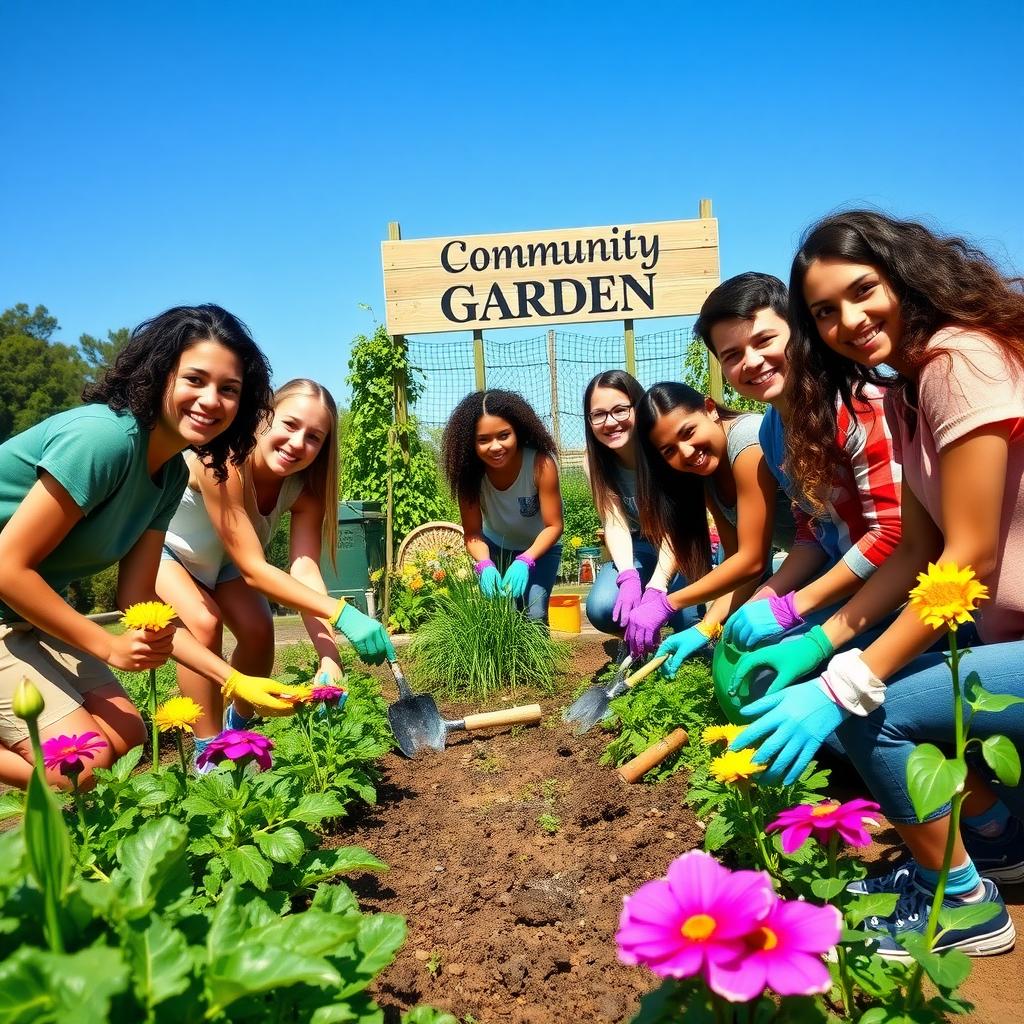
When teens volunteer, they step into a world bigger than themselves. Community service isn't just about giving back—it's about growing up. Through hands-on projects, young people learn skills that school alone can't teach. They build confidence, discover passions, and develop a sense of purpose.
Take Sarah, a 16-year-old who started volunteering at a local food bank. At first, she was shy and unsure. But after organizing a community food drive, she found her voice. She learned how to lead a team, solve problems, and connect with people from all walks of life. Stories like Sarah’s show how The Importance of Community Service for Youth Development goes beyond helping others—it transforms the volunteer.
Building Essential Life Skills
Community service teaches teens practical skills they’ll use for life. Leadership, teamwork, and problem-solving come alive in volunteer projects. For example, organizing a charity event requires planning, communication, and creativity—skills that look great on a resume and feel even better to master.
Consider youth advocacy volunteer projects. These initiatives let teens tackle issues they care about, like environmental conservation or mental health awareness. By leading campaigns or joining group efforts, they learn how to advocate for change. A Beginner’s Guide to Advocacy for Teens often emphasizes starting small—whether it’s a school recycling program or a fundraiser, every step counts.
Here’s a quick look at skills teens gain through volunteering:
| Skill | How It’s Developed |
|---|---|
| Leadership | Leading a project or guiding a team |
| Communication | Collaborating with diverse groups |
| Problem-Solving | Addressing challenges during projects |
| Empathy | Understanding others’ needs and perspectives |
| Time Management | Balancing volunteering with school and life |
These skills don’t just help teens today—they set them up for success in college, careers, and beyond.
Fostering Empathy and Connection
Volunteering opens teens’ eyes to the world around them. When they work with people from different backgrounds—whether it’s helping at a homeless shelter or tutoring younger kids—they start to see life through others’ eyes. This builds empathy, a trait that’s critical for personal growth and strong communities.
I remember volunteering at an animal shelter as a teen. I wasn’t just cleaning cages; I was learning about the struggles of stray animals and the people who cared for them. It made me more compassionate and aware of issues I’d never considered. That’s the power of community service—it connects teens to their community in ways that stick with them.

Sparking Leadership and Advocacy
Community service can ignite a passion for advocacy. Books like The Kid’s Guide to Social Action: How to Solve the Social Problems You Choose—and Turn Creative Thinking into Positive Action by Barbara A. Lewis inspire teens to take charge. The book offers practical steps for identifying issues, planning projects, and making an impact. It’s a roadmap for turning ideas into reality.
Empowering Youth through Advocacy: Transformative Projects often start with a single idea. For instance, a teen in California launched a beach cleanup campaign after noticing plastic litter on her local shore. Her project grew into a community-wide effort, showing how one person’s passion can spark change. Advocacy teaches teens they have a voice—and it matters.
Getting Started with Community Service
Ready to dive in? Here’s how teens can start:
- Find Your Passion: Think about issues you care about—animals, the environment, education, or hunger. Your interests guide your impact.
- Start Local: Look for opportunities at school, community centers, or local nonprofits. Websites like VolunteerMatch.org can help.
- Join a Group: Team up with friends or join youth advocacy volunteer projects for support and inspiration.
- Set Goals: Decide what you want to achieve, whether it’s raising $500 for a cause or cleaning up a local park.
- Reflect and Grow: After each project, think about what you learned and how you can do more.
Starting small is okay. Even a few hours a month can make a difference. The key is consistency and a willingness to learn.
Overcoming Common Challenges
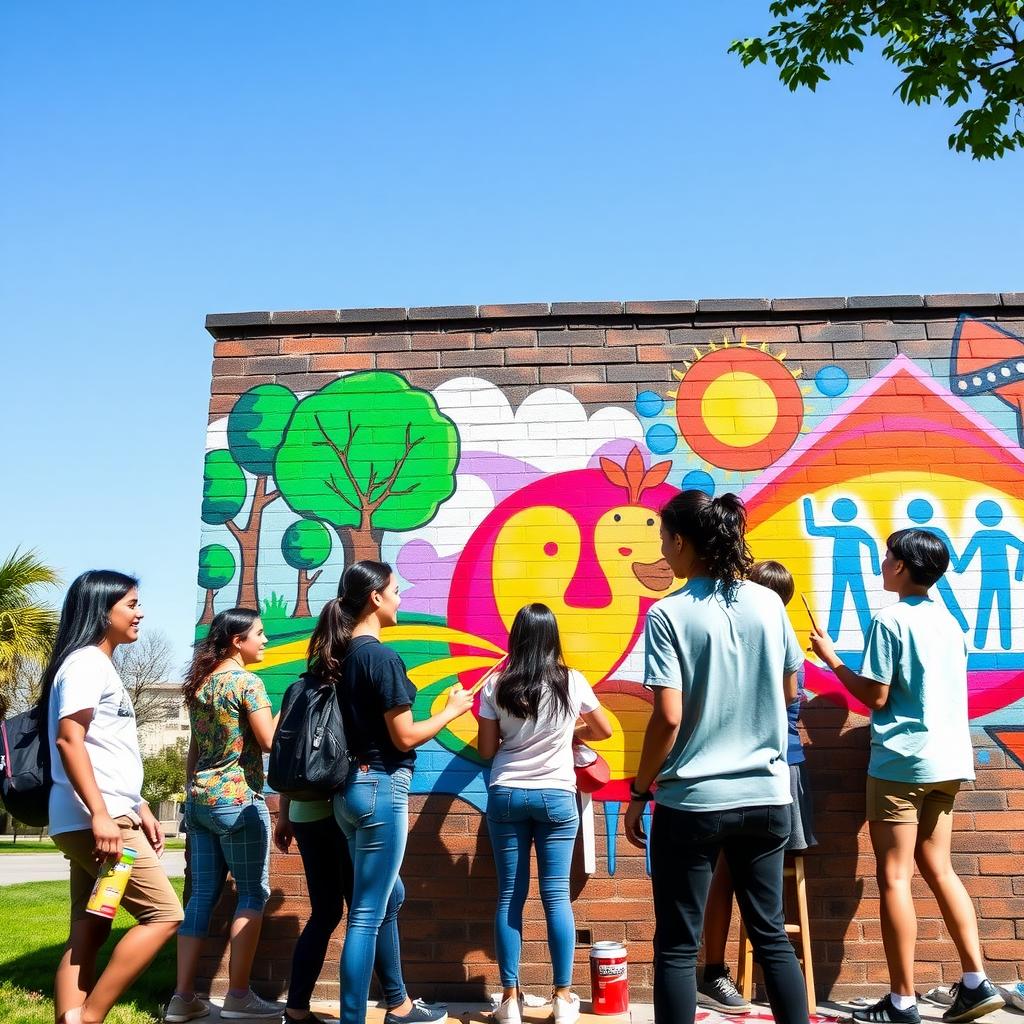
Volunteering isn’t always easy. Teens might feel shy, overwhelmed, or unsure where to start. That’s normal. Here’s how to push past common hurdles:
- Time Constraints: School and extracurriculars can make time tight. Try scheduling volunteering like a class—block out an hour a week.
- Feeling Nervous: Start with a friend or join a group project to feel more comfortable.
- Lack of Ideas: Books like A Beginner’s Guide to Advocacy for Teens offer project ideas and tips for finding causes you care about.
The first step is the hardest, but once you’re in, the rewards are worth it. Every small action builds confidence and momentum.
The Long-Term Impact
The benefits of community service stick with teens for life. Studies show that teens who volunteer are more likely to stay engaged in their communities as adults (source: Corporation for National and Community Service). They’re also more likely to vote, pursue leadership roles, and prioritize empathy in their careers.
Beyond personal growth, community service creates ripples. A teen who organizes a food drive might inspire others to join. A single project can change a neighborhood—or even a city. That’s why The Importance of Community Service for Youth Development can’t be overstated. It’s about building a better future, one volunteer at a time.
Summary
Community service is a game-changer for teens. It builds skills, fosters empathy, and sparks leadership. By diving into youth advocacy volunteer projects or following guides like The Kid’s Guide to Social Action, teens can make a real impact. Start small, stay consistent, and watch how volunteering transforms you and your community.