The Importance of Environmental Education: Empowering a Sustainable Future
Discover why environmental education is vital for fostering sustainability, advocacy, and volunteerism. This comprehensive guide explores its impact on individuals and communities, offering actionable insights and real-world examples to inspire change.
4 min read
Overview: Why Environmental Education Matters
Environmental education teaches us how to live in harmony with our planet. It builds awareness, encourages advocacy, and inspires volunteer activities to protect nature. By understanding ecosystems and sustainability, we can make informed choices for a healthier Earth. This article explores why it’s so critical.
What Is Environmental Education?
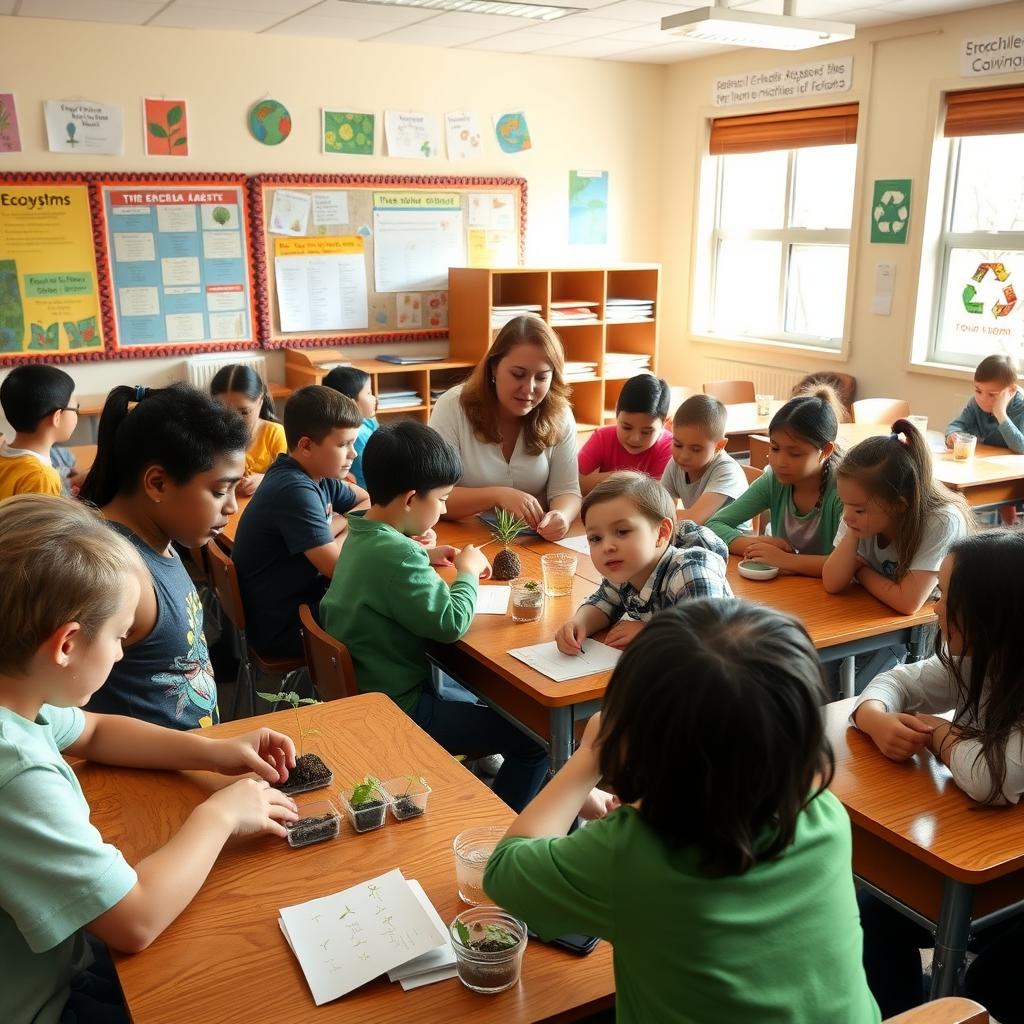
Environmental education is more than just learning about trees or recycling. It’s a way to understand how our actions affect the planet. From classrooms to community programs, it covers topics like climate change, biodiversity, and sustainable living. It’s about empowering people to think critically and act responsibly.
I remember my first encounter with environmental education in middle school. Our science teacher took us to a local park to study ecosystems. We tested water quality in a stream and learned how pollution affects wildlife. That hands-on experience made me realize how connected we are to nature.
Why It’s Essential for Everyone
Environmental education isn’t just for kids or scientists—it’s for everyone. It helps us understand the consequences of our choices, like using single-use plastics or wasting energy. When we know better, we do better. It also fosters a sense of responsibility to protect our planet for future generations.
Studies show that environmental education improves critical thinking and problem-solving skills. According to a report by Stanford University, students exposed to environmental education score higher in science and show greater civic engagement. This proves it’s not just about facts—it’s about building a mindset.
Fostering Environmental Advocacy
One of the biggest benefits of environmental education is how it sparks advocacy. When people understand issues like deforestation or ocean pollution, they’re more likely to speak up. Advocacy isn’t just protests or speeches—it’s about everyday actions, like educating others or supporting green policies.
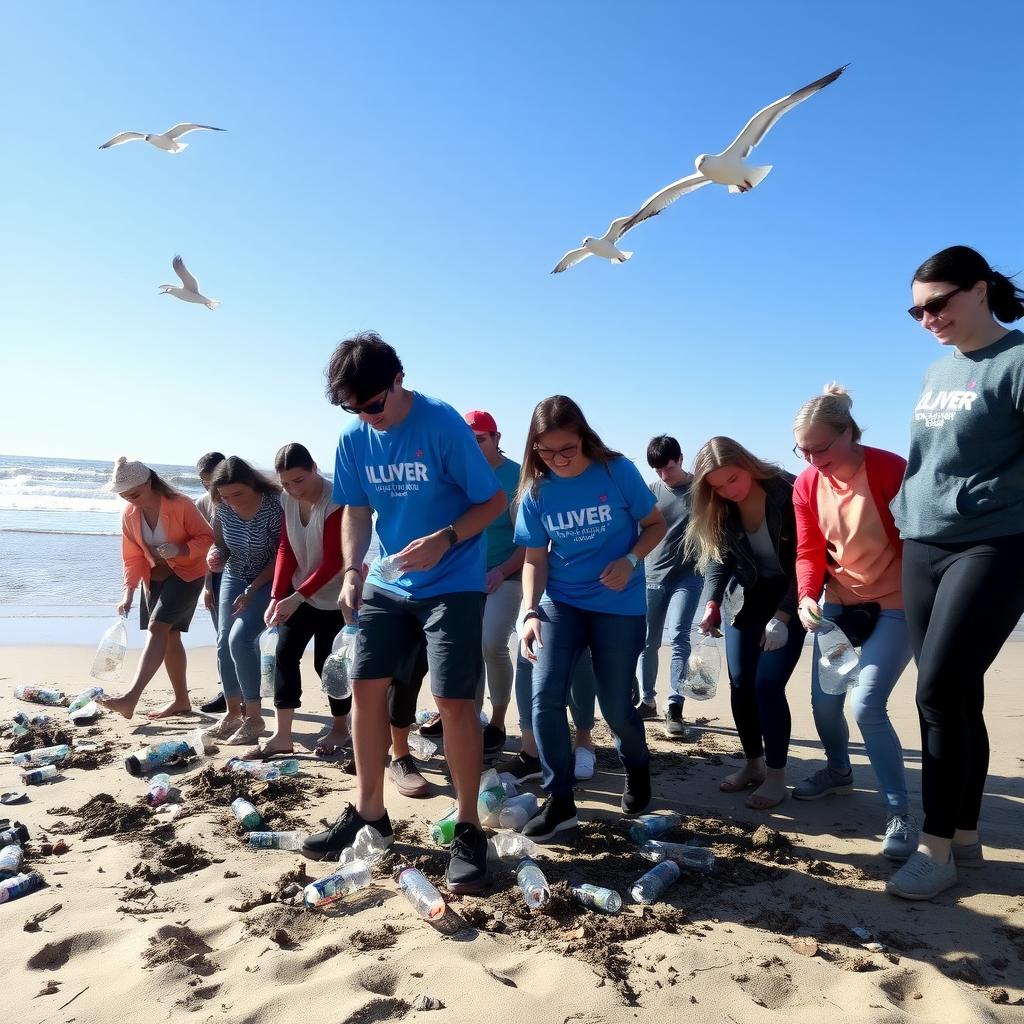
I saw this firsthand at a community cleanup event. A group of teens, inspired by a school environmental program, organized the event. They didn’t just pick up trash—they shared facts about plastic pollution with passersby. Their passion turned a small volunteer effort into a powerful advocacy moment.
The Role of Volunteer Activities
Environmental advocacy volunteer activities are a natural outcome of education. Whether it’s planting trees, cleaning beaches, or joining conservation groups, volunteering puts knowledge into action. These activities build community and show people they can make a difference.
Here’s a quick look at popular volunteer activities:
| Activity | Impact |
|---|---|
| Tree Planting | Reduces carbon dioxide, restores habitats |
| Beach Cleanups | Protects marine life, reduces plastic pollution |
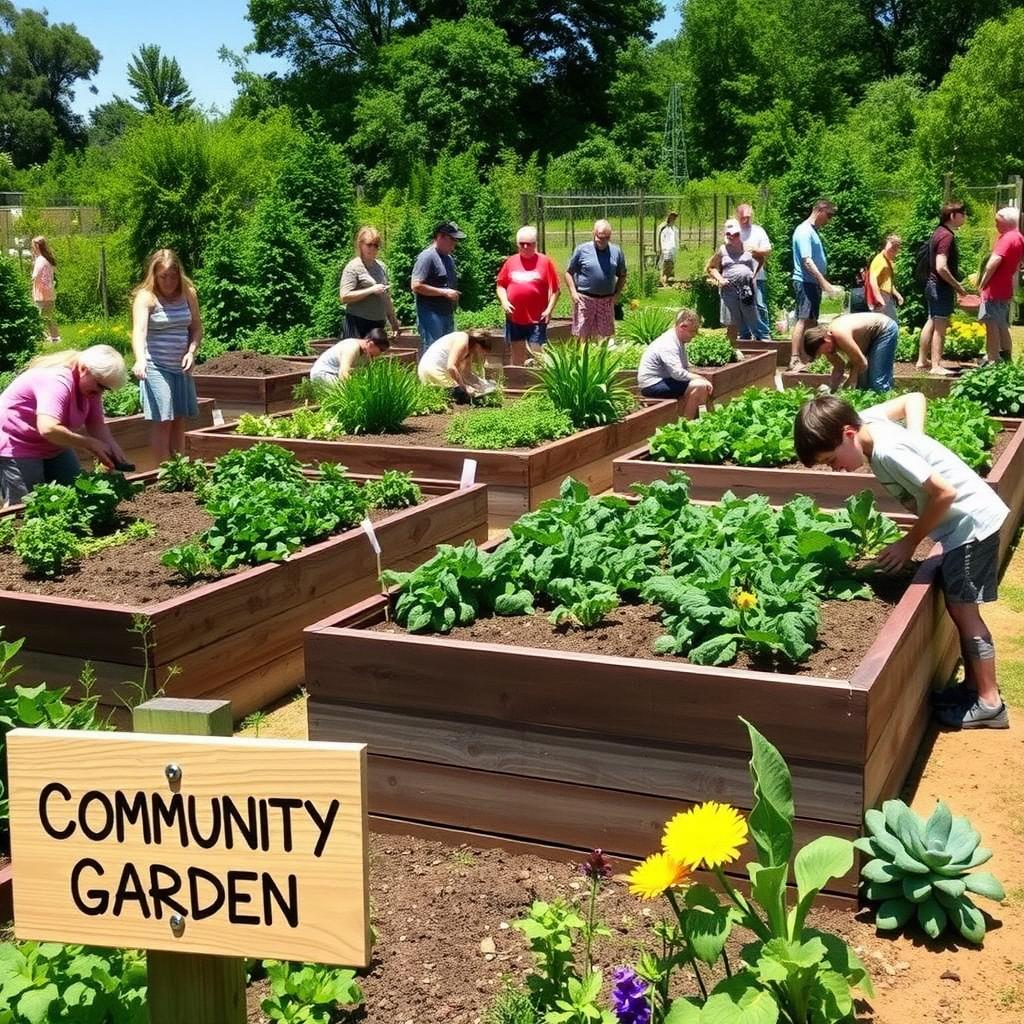
| Community Gardens | Promotes local food production, reduces emissions |
| Wildlife Monitoring | Tracks species health, informs conservation efforts |
Volunteering also feels good. I once joined a river cleanup and was amazed at how a few hours of work transformed the area. Plus, I met others who cared about the same issues, which made it even more rewarding.
Building a Sustainable Mindset
Environmental education plants the seeds for sustainability. It teaches us to think long-term—how today’s choices affect tomorrow’s world. For example, learning about renewable energy might inspire someone to install solar panels or advocate for green policies in their town.
A study by the National Wildlife Federation found that schools with environmental education programs see students adopt sustainable habits, like reducing waste or conserving water. These small changes add up, creating a ripple effect in communities.
Engaging Communities Through Education
Communities thrive when environmental education is accessible. Local workshops, nature walks, or citizen science projects bring people together. They also make learning fun and relevant. For instance, a community garden project near my home taught families about composting while growing fresh vegetables.
Programs like these bridge gaps between generations and backgrounds. They show that anyone can contribute, whether through advocacy or volunteer work. The key is making education hands-on and relatable, so people feel connected to the cause.

Challenges and Solutions
Despite its benefits, environmental education faces challenges. Limited funding, lack of teacher training, and competing priorities in schools can hold it back. But solutions exist. Online resources, like those from NOAA’s education programs, offer free tools for teachers. Partnerships with local organizations can also bring programs to underserved areas.
Another challenge is keeping people engaged long-term. Education must be ongoing, not a one-time lesson. Regular events, like volunteer cleanups or advocacy workshops, keep the momentum going. I’ve seen this work in my town, where monthly eco-talks keep the community inspired.
How to Get Involved
Want to make a difference? Start small. Join a local environmental group or attend a workshop. If you’re a parent or teacher, push for more environmental education in schools. Even simple actions, like reading about sustainability or volunteering for a cleanup, can spark change.
Here are some easy ways to start: - Learn: Read books or watch documentaries about environmental issues. - Volunteer: Join a local cleanup or tree-planting event. - Advocate: Share what you learn with friends or on social media. - Support: Back policies that protect the environment, like renewable energy initiatives.
Every step counts. The more we learn, the more we can do to protect our planet.
Summary: A Call to Action
The Importance of Environmental Education lies in its power to inspire change. It equips us with knowledge, fuels advocacy, and drives volunteer efforts. By embracing it, we can build a sustainable future together. Start today—learn, act, and inspire others to join the movement.