Integrating Technology in Education Through Volunteering: How Skill-Based Volunteering Transforms Classrooms
Discover how integrating technology in education through volunteering empowers students, teachers, and communities. Learn practical ways to engage in skill-based volunteering in education, real success stories, and actionable steps any volunteer can take to make a difference.
4 min read
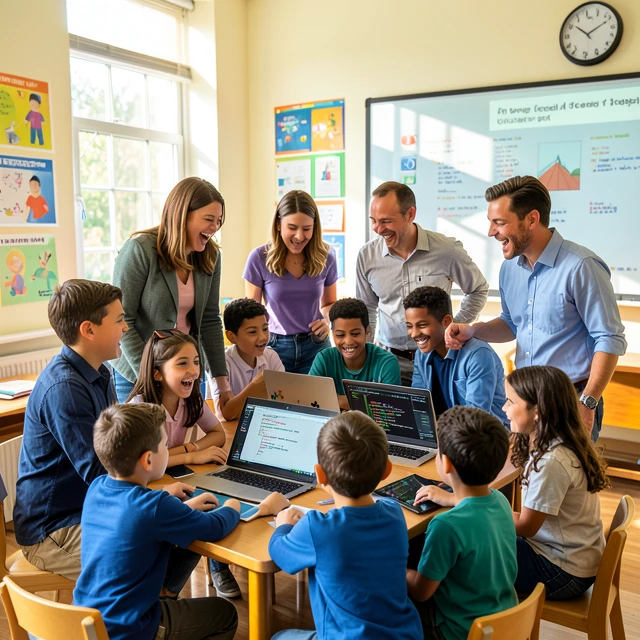
In today's digital world, integrating technology in education through volunteering is changing how students learn. Skill-based volunteering brings tech experts into schools to teach coding, set up tools, and inspire young minds. Volunteers make learning fun and relevant while helping bridge the digital gap. This guide shows you why it matters and how you can get involved.
Schools struggle to keep pace with fast-changing technology. Many lack funding for devices or training. Skill-based volunteering in education steps in to fill these gaps. Professionals donate their expertise for short projects or ongoing sessions. The result? Students gain real skills, teachers feel supported, and volunteers walk away fulfilled. It is a win for everyone.
Why Integrating Technology in Education Through Volunteering Matters
Technology is everywhere but not every classroom has it. Students in under-resourced areas miss out on skills needed for future jobs. Skill-based volunteering helps fix this. Volunteers teach everything from basic computer use to advanced coding. They also train teachers so the impact lasts long after the volunteer leaves.
According to reports from organizations like Common Impact skill-based volunteers expand nonprofit reach by 35 percent and boost efficiency by 28 percent. In schools this means more students get hands-on tech experience. Programs such as Microsoft TEALS connect volunteers with classrooms to support computer science education and broaden participation especially for girls and students from diverse backgrounds.
The need grows every year. Digital literacy opens doors to careers in STEM fields. Without it students fall behind. Skill-based volunteering in education creates equal opportunities. One volunteer session can spark a lifelong passion. Volunteers also learn new teaching methods and communication skills that help them in their own careers.
What Skill-Based Volunteering in Education Looks Like
Skill-based volunteering means using your professional skills to help others. In education this could be a software engineer teaching Python a graphic designer creating learning apps or an IT specialist setting up school networks. It is not just handing out supplies. It is sharing expertise that builds real capacity.
Unlike traditional volunteering where you might paint walls or serve food skill-based volunteering leverages what you already do well. A volunteer might spend a few hours a week mentoring students online or run a weekend workshop on digital safety. The flexibility makes it easy for busy professionals to participate.
Real examples show the power. The Clubhouse Network partners with skilled volunteers to build alumni programs using technology and marketing strategies. Urban Ed uses volunteers to explore virtual event platforms that reach more students. Microsoft TEALS places tech volunteers directly in schools to co-teach computer science. These efforts prove that one volunteer can impact hundreds of students over time.
Real Success Stories from Skill-Based Volunteers
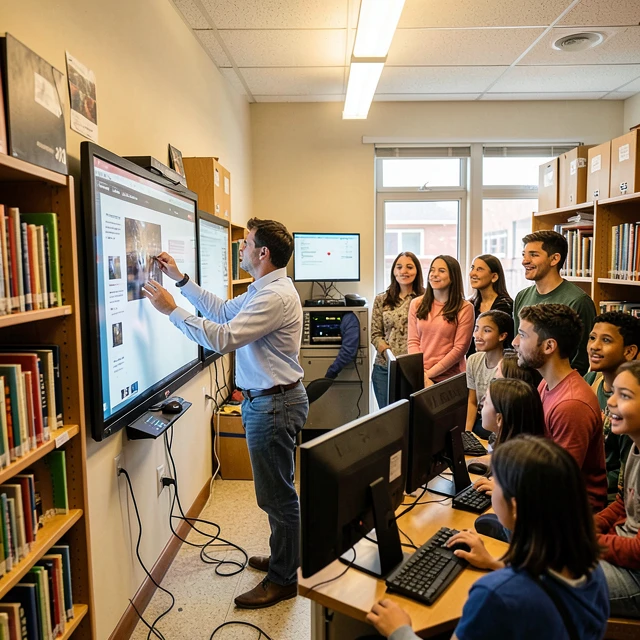
Take Todd an IT professional who mentored fifth graders in JavaScript. Together they built simple games and the students lit up with pride. Another volunteer helped a nonprofit assess virtual event tools saving them time and money. These stories are common. Skill-based volunteering turns everyday professionals into education heroes.
In rural schools volunteers have installed interactive whiteboards and trained teachers. Students who once shared one old computer now work on tablets. The change is visible in higher engagement and better test scores in tech-related subjects.
Benefits for Students Teachers and Volunteers
Students gain confidence and practical skills. They learn to code solve problems and use tools safely. Teachers receive free professional development and ongoing support. Volunteers enjoy personal growth stronger resumes and a sense of purpose.
Here is a quick look at the benefits:
| Group | Key Benefits |
|---|---|
| Students | Hands-on tech skills higher engagement future career readiness |
| Teachers | Training resources and reduced workload |
| Volunteers | New teaching skills networking and personal fulfillment |
Studies show 80 percent of volunteers in education gain valuable skills themselves. The experience also improves communication leadership and project management abilities that boost careers.
How to Get Started as a Volunteer
Ready to make a difference? Follow these simple steps:
-
Identify your skills. What tech expertise do you have that schools need?
-
Find opportunities. Check platforms like Catchafire VolunteerMatch or local school districts. Look for programs such as Microsoft TEALS or Team4Tech.
-
Reach out. Contact a school or nonprofit. Ask what technology challenges they face.
-
Start small. Offer a one-hour virtual session or a short project. Build from there.
-
Track your impact. Ask for feedback and celebrate successes with the students.
Skill-based volunteering fits any schedule. Many projects are remote so you can help from anywhere.
Overcoming Common Challenges
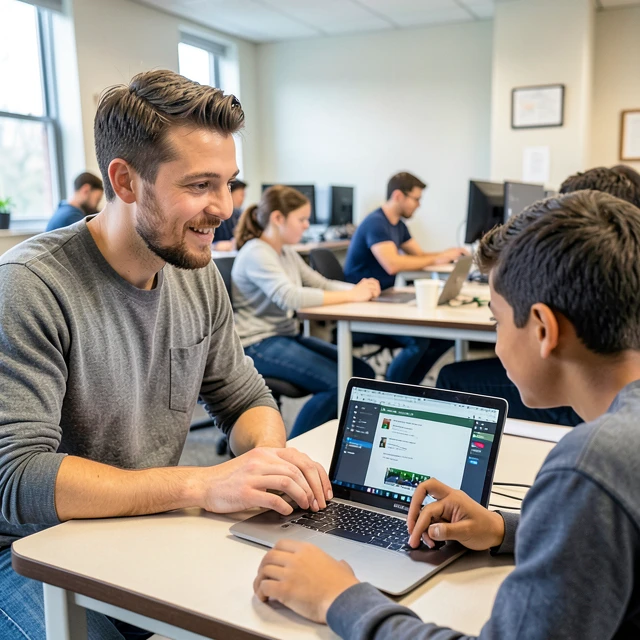
Some worry about time commitment or lack of teaching experience. Start with short commitments. Many organizations provide training and lesson plans. Others fear technology will not reach every student. Focus on inclusive projects and partner with teachers who know their classrooms best.
The key is preparation. Set clear goals communicate often and stay flexible. Most challenges turn into learning opportunities for everyone involved.
Personal Insights from the Field
As someone who has volunteered in tech education projects I remember the first coding workshop I led. A quiet student who rarely spoke suddenly explained an algorithm to the class. That moment showed me the power of skill-based volunteering. It is not just about code. It is about building confidence and opening doors.
I have seen volunteers transform from nervous beginners to confident mentors. The experience changes you as much as it changes the students. If you have tech skills do not wait. Schools need you right now.
Summary
Integrating technology in education through volunteering creates lasting change. Skill-based volunteering in education equips students with essential skills supports teachers and gives volunteers meaningful impact. Whether you code set up networks or design digital tools your expertise matters. Start today and join the growing community of volunteers shaping brighter futures.