International Volunteer Programs for College Students: Transform Your Future Through Service
Discover the life-changing impact of international volunteer programs for college students. This comprehensive guide explores top programs, benefits, challenges, and practical tips for meaningful volunteerism abroad, helping students grow personally and professionally while making a global difference.
5 min read
Overview
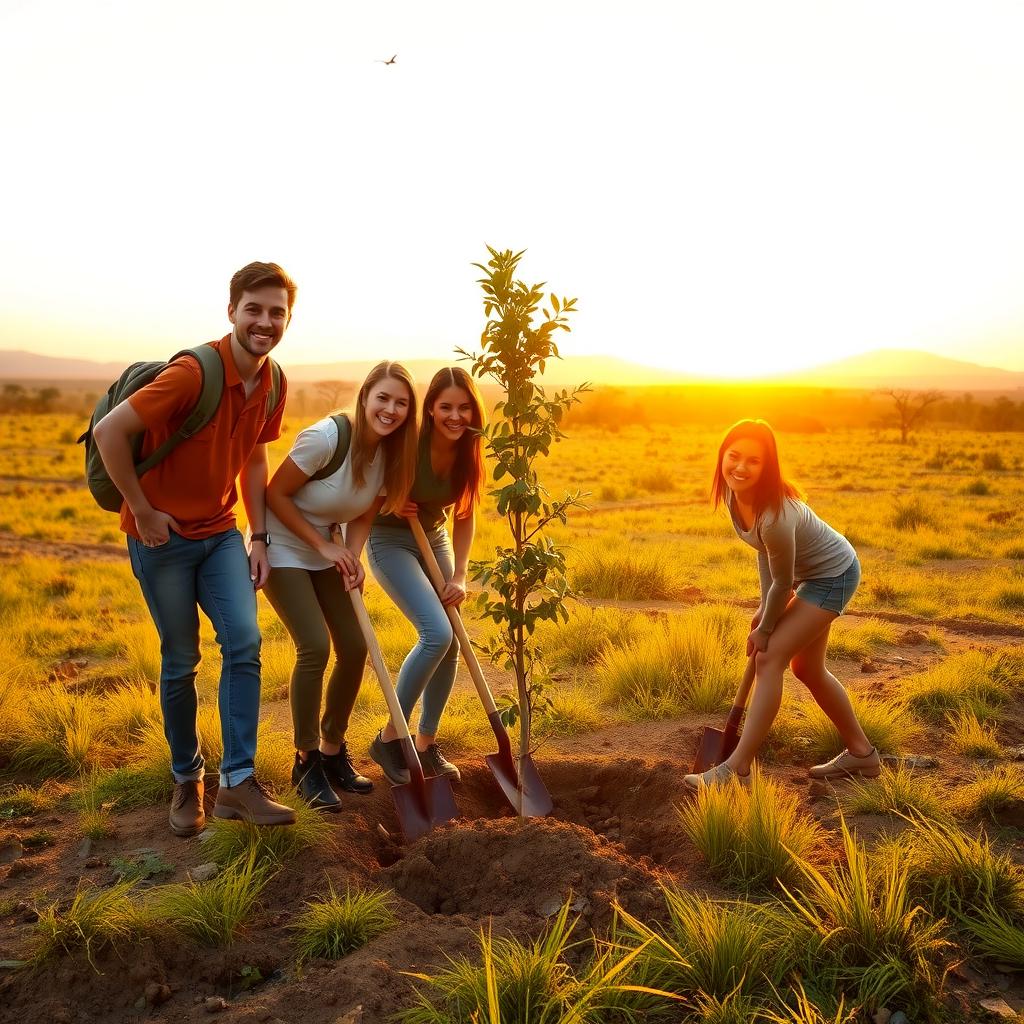
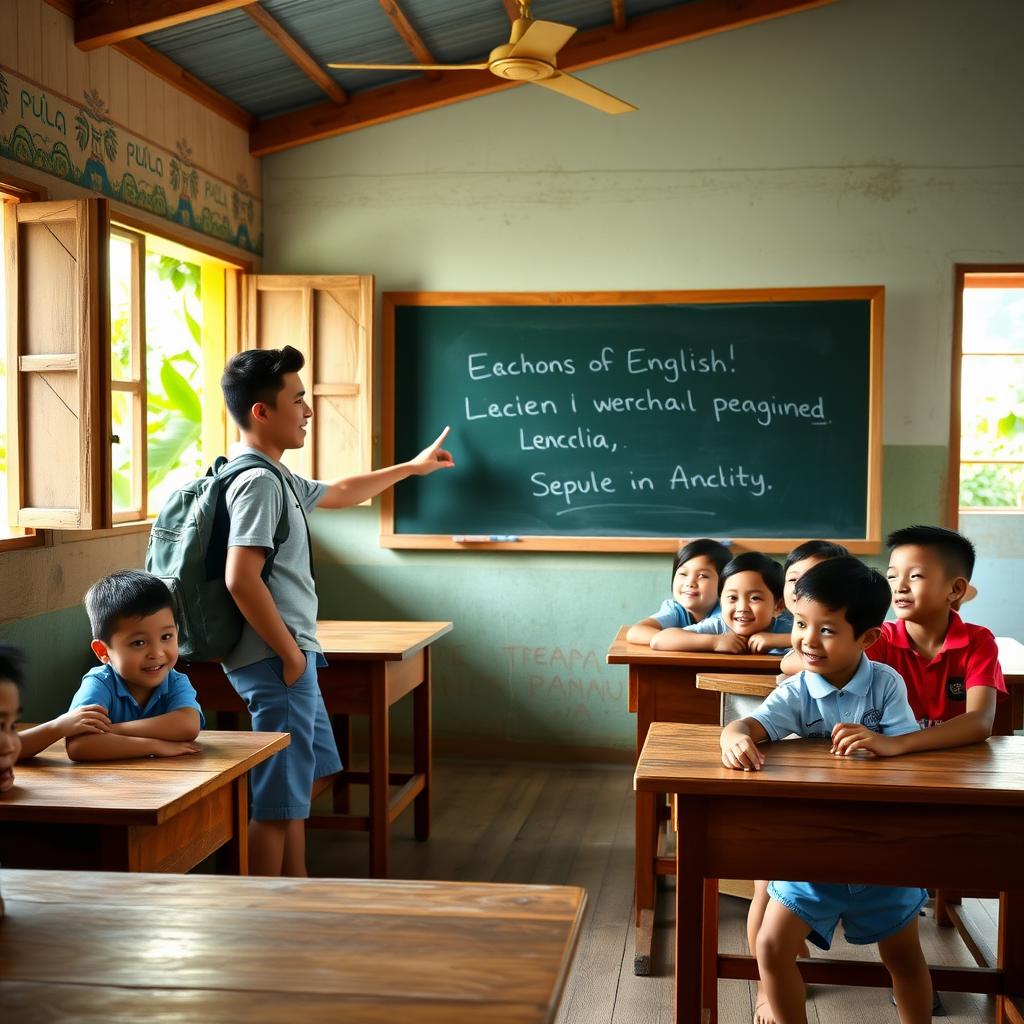
International volunteer programs for college students offer a unique blend of adventure, personal growth, and global impact. These programs allow young adults to immerse themselves in new cultures, contribute to meaningful causes, and build skills that last a lifetime. Whether teaching English in Asia or aiding conservation efforts in Africa, volunteerism abroad shapes compassionate, capable leaders.
Why Choose International Volunteer Programs?
Volunteering abroad isn’t just about giving back—it’s about growing as a person. College students often find themselves at a crossroads, seeking purpose and direction. International volunteer programs provide hands-on experiences that challenge perspectives and build resilience. You’ll step out of your comfort zone, learn to navigate unfamiliar environments, and connect with people from vastly different backgrounds.
For many, these programs are a chance to explore career paths. Interested in education? Teaching in a rural school could clarify your goals. Passionate about environmental issues? Conservation projects offer practical experience. Beyond career benefits, volunteerism fosters empathy and global awareness—qualities that employers and graduate schools value highly.
Top International Volunteer Programs for College Students
Choosing the right program can feel overwhelming with so many options available. Below, I’ve outlined some of the best programs tailored for college students, based on their reputation, impact, and accessibility. Each offers unique opportunities to make a difference while gaining valuable skills.
1. Projects Abroad
Projects Abroad offers flexible volunteer opportunities in over 25 countries, from medical internships in Nepal to marine conservation in Thailand. Programs range from two weeks to several months, making them ideal for summer breaks or gap years. Costs vary, but scholarships and fundraising support are available.
2. International Volunteer HQ (IVHQ)
IVHQ is known for affordable programs, with fees starting as low as $180 per week. Options include teaching, childcare, and environmental projects in destinations like Costa Rica and Ghana. Their strong focus on community-driven projects ensures your work has a lasting impact.
3. Peace Corps Prep Programs
While the full Peace Corps commitment is two years, many universities partner with the organization to offer shorter prep programs for students. These focus on leadership and cross-cultural skills, preparing you for future service or careers in international development.
4. GoEco
GoEco specializes in eco-conscious volunteerism, perfect for students passionate about sustainability. From wildlife rehabilitation in South Africa to coral reef restoration in Spain, their projects blend adventure with environmental impact. Programs are well-structured, with clear expectations for volunteers.
5. AIESEC
Run by youth for youth, AIESEC offers volunteer exchanges in over 100 countries. Projects focus on the UN’s Sustainable Development Goals, like reducing poverty or improving education. It’s a great choice for students wanting to build leadership skills while connecting with a global network.
Benefits of Volunteering Abroad
The rewards of international volunteer programs go far beyond a line on your resume. Here’s a breakdown of the key benefits:
| Benefit | Description |
|---|---|
| Cultural Immersion | Live with locals, learn new languages, and understand diverse perspectives. |
| Skill Development | Gain leadership, communication, and problem-solving skills in real-world settings. |
| Career Exploration | Test-drive fields like teaching, healthcare, or conservation before committing. |
| Personal Growth | Build confidence, adaptability, and resilience by navigating new challenges. |
| Global Connections | Form friendships and professional networks across borders. |
These benefits don’t just happen—you have to engage fully. I remember my own experience volunteering in a Peruvian community center. I arrived nervous, unsure if I’d make a difference. By the end, I’d learned basic Spanish, formed bonds with locals, and discovered a passion for community development. Those lessons still shape how I approach challenges today.

Challenges to Expect
Volunteering abroad isn’t all rosy. You’ll face challenges that test your patience and adaptability. Culture shock is real—different customs, foods, or living conditions can feel overwhelming at first. Language barriers might make communication tricky, especially in rural areas. Homesickness can creep in, too, when you’re far from familiar faces.
Logistics can also be tough. Flights, visas, and program fees add up quickly. Some programs require fundraising or personal savings, so plan ahead. Health and safety are concerns, too—research your destination’s risks, like diseases or political instability, and follow program guidelines.
Despite these hurdles, the challenges are part of what makes volunteerism transformative. They push you to grow in ways a classroom never could. My first week in Peru was rough—language struggles and a bout of altitude sickness left me doubting myself. But with time, I adapted, and those difficulties became my proudest moments.
How to Choose the Right Program
With so many options, picking the right program is crucial. Here’s a step-by-step guide to help you decide:
- Identify Your Goals: Are you passionate about education, healthcare, or the environment? Choose a program aligned with your interests.
- Consider Duration: Short-term programs (1-4 weeks) suit busy schedules, while longer commitments (3-12 months) offer deeper impact.
- Check Costs: Compare program fees, including what’s covered (housing, meals, support). Look for scholarships or fundraising options.
- Research Impact: Ensure the program prioritizes ethical volunteerism—avoid those that exploit communities or prioritize profit over purpose.
- Read Reviews: Platforms like GoAbroad or Volunteer Forever offer student reviews to gauge program quality.
Pro tip: Reach out to program alumni on platforms like LinkedIn or X to hear unfiltered experiences. Their insights can reveal what websites don’t.
Tips for a Successful Volunteer Experience
To make the most of your time abroad, preparation is key. Here are practical tips:
- Learn Basic Language Skills: Even a few phrases can bridge gaps and show respect.
- Pack Light but Smart: Bring essentials like comfortable shoes, a reusable water bottle, and a first-aid kit.
- Stay Open-Minded: Embrace differences in culture, pace, and expectations.
- Document Your Journey: Keep a journal or blog to reflect on your experiences and share with others.
- Stay Safe: Follow program safety protocols and register with your embassy abroad.
One thing I learned in Peru was to let go of expectations. Plans often changed—whether due to weather or local priorities—but staying flexible made every moment rewarding.
Summary
International volunteer programs for college students are more than a resume booster—they’re a gateway to personal growth, cultural understanding, and global impact. By choosing the right program, preparing thoughtfully, and embracing challenges, you’ll gain skills and memories that shape your future. Start exploring today and take the first step toward a transformative adventure.