Language Learning for Volunteers: A Practical Guide
Discover how to learn a language while volunteering abroad with this comprehensive guide. Packed with practical tips, cultural insights, and program selection advice, it helps volunteers enhance their global experience through language immersion and cultural sensitivity.
5 min read
Overview
Volunteering abroad is more than just giving back—it’s a chance to dive into a new culture and learn a language. Language Learning for Volunteers: A Practical Guide offers actionable steps to master a language while making a difference. This guide covers preparation, immersion techniques, and choosing the right program for a transformative experience.
Why Language Matters in Global Volunteering
The Importance of Language in Global Volunteering cannot be overstated. Language is the key to understanding a community’s heart and soul. When you speak even a few words of the local language, you show respect and build trust. It’s not just about communication—it’s about connection. For example, during my time volunteering in a rural Peruvian village, my basic Spanish helped me teach kids a game. Their laughter at my mistakes created a bond that went beyond words. Language breaks barriers, making your work more impactful and your experience richer. According to a study by the University of Cambridge, language proficiency enhances cross-cultural understanding, which is critical for effective volunteering.
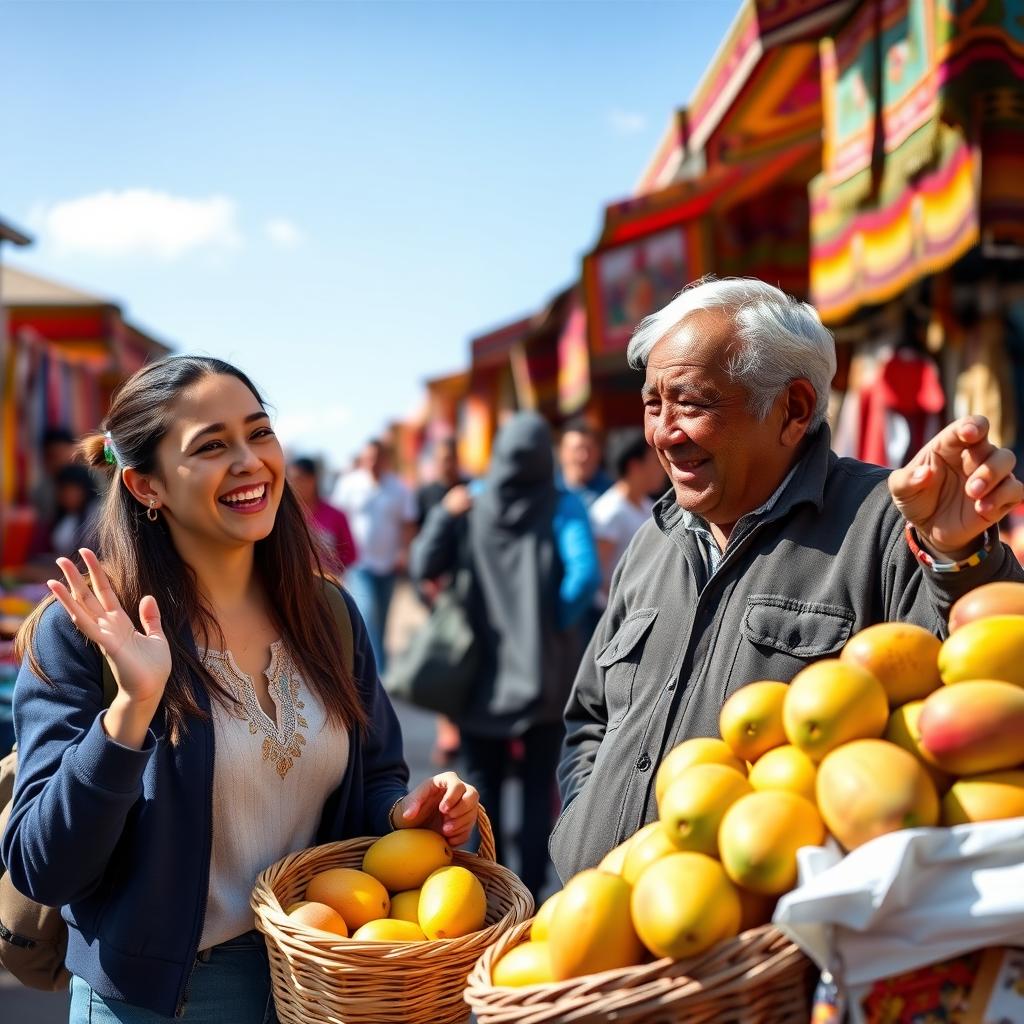
Beyond connection, language skills boost your confidence and open doors to deeper cultural experiences. Imagine ordering food at a local market or chatting with a host family—these moments make volunteering unforgettable. They also help you navigate challenges, like understanding local customs or resolving misunderstandings. Without language, you might miss the nuances that make your journey meaningful.
Preparing for Language Learning Before You Go
Before you pack your bags, start learning the basics. You don’t need fluency—just enough to get by. Focus on greetings, thank-yous, and simple questions like “Where is the bathroom?” Apps like Duolingo or Memrise make this easy with 10-minute daily lessons. These tools are gamified, keeping you motivated. For example, I used Duolingo to learn basic Spanish before my Peru trip, and it gave me confidence to start conversations.
Here’s a quick pre-trip checklist: - Learn Key Phrases: Greetings, directions, and polite expressions. - Use Language Apps: Spend 10-15 minutes daily on Duolingo, Memrise, or Babbel. - Watch Media: Stream movies or music in the target language to get familiar with pronunciation. - Practice with Native Speakers: Platforms like italki connect you with tutors for affordable practice.
Research the culture too. Language and culture are intertwined. Understanding basic customs—like how Cambodians use respectful greetings for elders—helps you use language appropriately. The Peace Corps recommends learning cultural context alongside language to avoid missteps. This preparation makes you feel less like an outsider when you arrive.
Immersion: The Heart of Language Learning
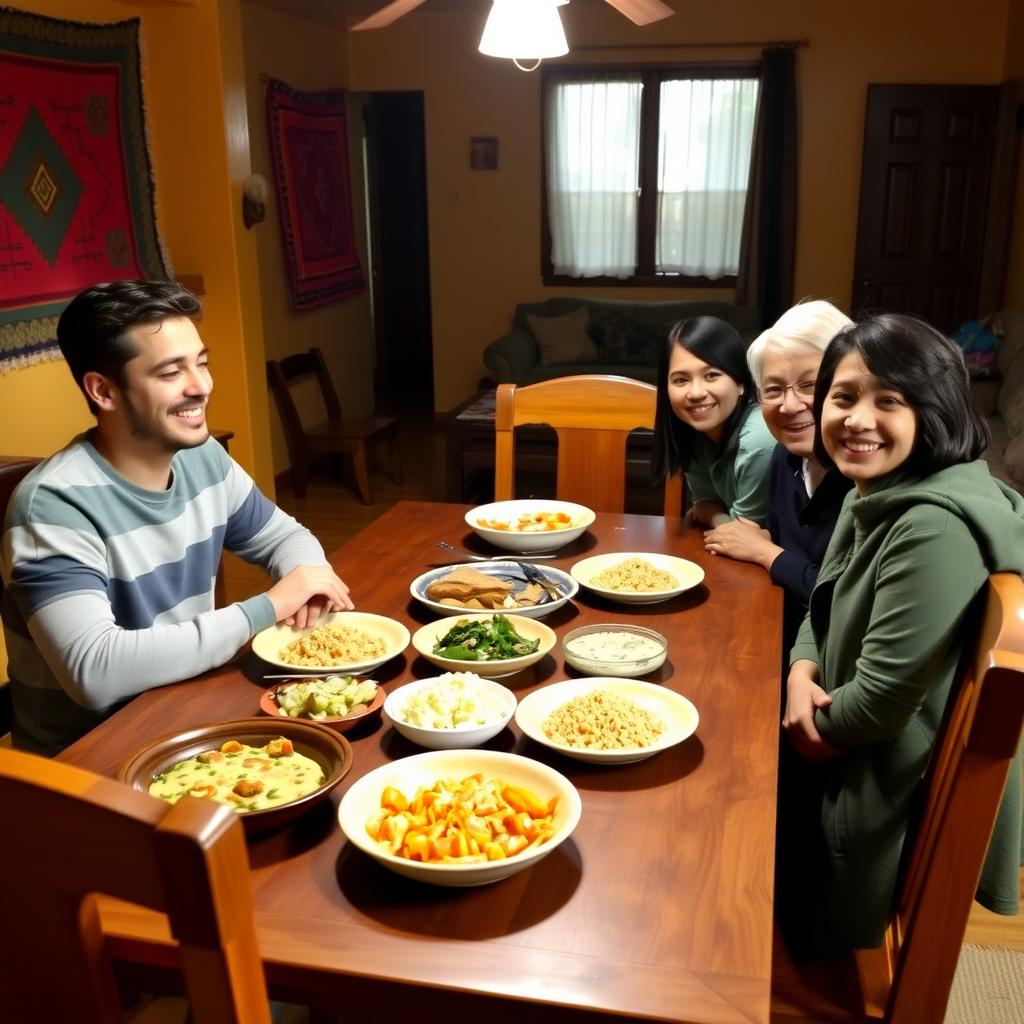
Once you’re abroad, immersion is your best teacher. Volunteer abroad and learn a language by diving into daily life. Live with a host family if possible—they’re natural language coaches. My host family in Peru corrected my Spanish gently during meals, teaching me slang no textbook covers. Engage in local events, like festivals or markets, to practice in real settings. Don’t fear mistakes; locals often appreciate your effort.
Here are immersion tips: - Speak Daily: Try ordering food or asking directions in the local language. - Join Community Events: Festivals or workshops offer practice opportunities. - Keep a Journal: Write new words and phrases daily to track progress. - Find a Language Partner: Pair with a local or volunteer to practice mutually.

Cultural Sensitivity Tips for International Volunteers
Cultural Sensitivity Tips for International Volunteers are crucial for effective language learning and volunteering. Language isn’t just words—it’s how you show respect. For example, in Khmer, using a respectful greeting for elders can make them more open to you. Misusing language can offend, so learn cultural norms. In Japan, directness might seem rude, so soften your tone.
Here’s a table of cultural sensitivity tips: | Tip | Why It Matters | |---------|-------------------| | Learn greetings | Shows respect and opens conversations | | Avoid slang initially | Prevents unintended offense | | Observe body language | Non-verbal cues vary by culture | | Ask questions | Shows interest and clarifies norms |
The Global Brigades emphasizes using empowering language, like calling locals “community members” instead of “foreigners,” to foster respect. This approach strengthens your connections and language skills.
How to Pick the Best Volunteer Abroad Program
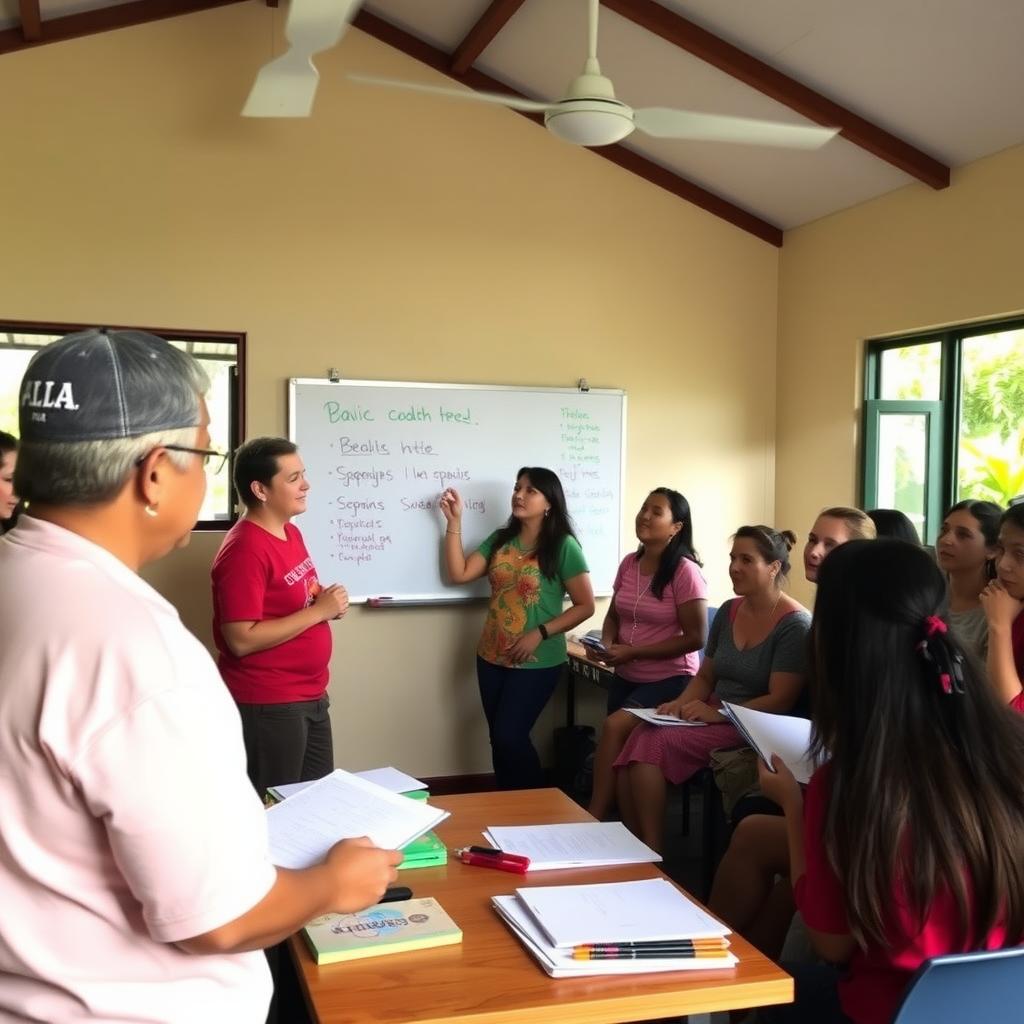
Choosing the right program is key to a rewarding experience. How to Pick the Best Volunteer Abroad Program involves aligning your goals with a program’s offerings. Look for programs that support language learning, like those offering classes or immersion opportunities. For example, Languages Abroad combines part-time volunteering with morning language classes in destinations like Costa Rica.
Consider these factors: - Language Support: Does the program offer classes or local practice opportunities? - Cultural Orientation: Look for pre-trip cultural training. - Reviews and Credentials: Check platforms like Volunteer World for verified reviews. - Impact Focus: Choose programs with sustainable community benefits.
A volunteer in Barcelona shared on Volunteer Connection how teaching English improved her Spanish through daily interactions. Programs like these, backed by organizations like Volunteer World, ensure ethical and impactful experiences.
Overcoming Challenges
Language barriers can be tough. You might feel frustrated or isolated at first, like I did in Peru when I couldn’t express myself fully. Be patient—progress comes with practice. Use gestures or apps when words fail. Homesickness is another hurdle. Stay connected with loved ones via calls and build new bonds with locals or volunteers. Programs like GVI’s Cambodia project immerse you in community life, easing these challenges by fostering friendships.
Making It Last
Your language skills don’t stop growing when you return home. Keep practicing with apps, local language meetups, or online tutors. Reflect on your journey in a journal to solidify what you’ve learned. Volunteering abroad isn’t just about the moment—it’s about carrying those skills and connections forward. My Spanish still helps me connect with new people years later.
Summary
Language Learning for Volunteers: A Practical Guide shows how language and volunteering transform each other. By preparing before you go, immersing yourself fully, and choosing the right program, you’ll gain skills, confidence, and cultural understanding. Embrace mistakes, stay curious, and let language open doors to unforgettable experiences.