How to Launch a Service Learning Program at Your School
Learn how to integrate service learning into your school's curriculum to foster civic engagement and enhance academic learning.
2 min read
Overview
Service learning is a powerful educational approach that combines academic learning with meaningful community service. By launching a service learning program at your school, you can help students develop important skills, foster civic engagement, and make a positive impact on the community.
Understanding Service Learning
Service learning is an educational method that integrates community service with academic instruction. It allows students to apply what they learn in the classroom to real-world situations, enhancing their understanding and retention of the material.
Benefits of Service Learning include:
- Improved academic performance
- Development of critical thinking and problem-solving skills
- Increased civic engagement and social responsibility
- Enhanced personal growth and self-esteem
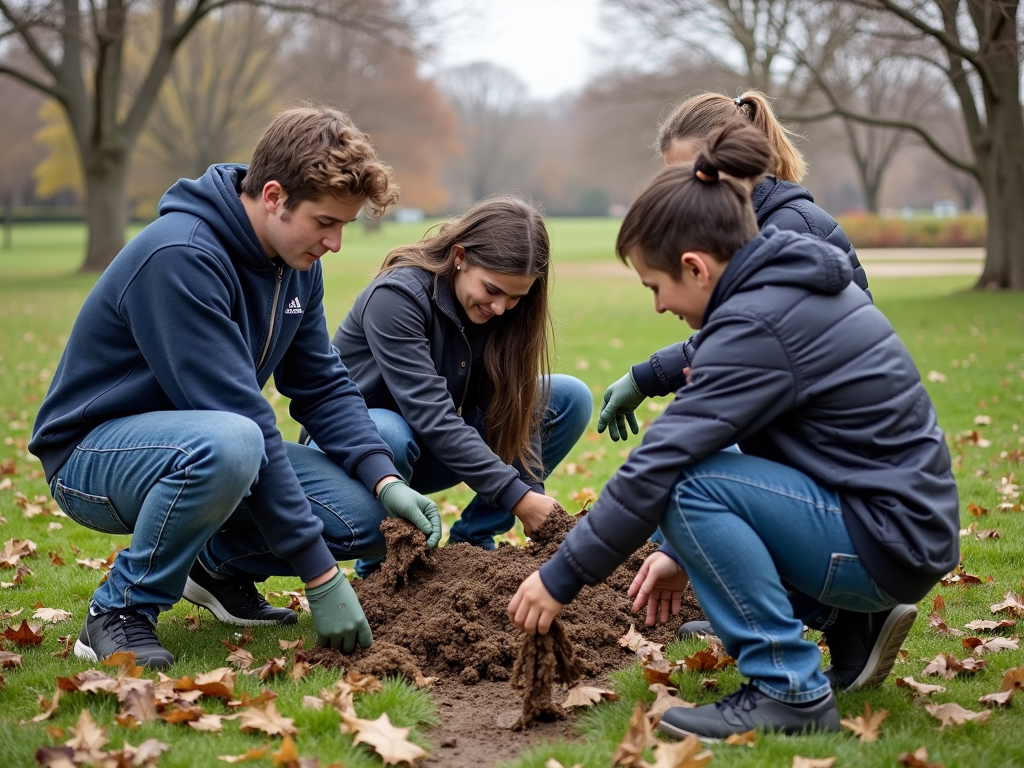
For example, a school in California implemented a service learning program where students worked with local environmental organizations to restore wetlands. This not only helped the environment but also improved students' understanding of ecology and conservation.
Planning Your Service Learning Program
Start by identifying the needs of your community and aligning them with your school's curriculum. Involve stakeholders such as teachers, students, parents, and community members in the planning process.
Steps to Plan Your Program:
- Conduct a needs assessment to identify community needs.
- Align the service learning project with academic goals.
- Involve stakeholders in the planning process.
- Develop a detailed project plan with timelines and responsibilities.
- Secure necessary resources and funding.
Implementing the Program
Provide training for teachers and students on the principles of service learning. Ensure that the service activities are meaningful and directly related to the academic content.
Importance of Reflection
Reflection activities, such as journaling or group discussions, help students connect their service experiences to academic learning and personal growth. Monitor the progress of the program and make adjustments as needed.
Evaluating the Impact
Use both qualitative and quantitative methods to assess the impact of the program on students, teachers, and the community. Collect feedback from all stakeholders and use it to improve future iterations of the program.
Evaluation Methods:
- Pre- and post-program surveys to measure changes in students' attitudes and skills.
- Interviews with community partners provide insights into the program's impact on the community.