Making the Most of Your Volunteer Experience: A Complete Guide
Discover practical tips for Making the Most of Your Volunteer Experience. Learn about Navigating Financial Planning for Volunteering, international volunteering for healthcare professionals, and how to create meaningful impact while growing personally.
4 min read
Overview
Volunteering opens doors to new skills, friendships, and a deeper sense of purpose. Making the Most of Your Volunteer Experience means approaching it with intention. Whether you help locally or explore international volunteering, thoughtful preparation leads to greater rewards for you and the communities you serve. This guide shares actionable steps drawn from real experiences to help you maximize every moment.
Why Volunteering Matters
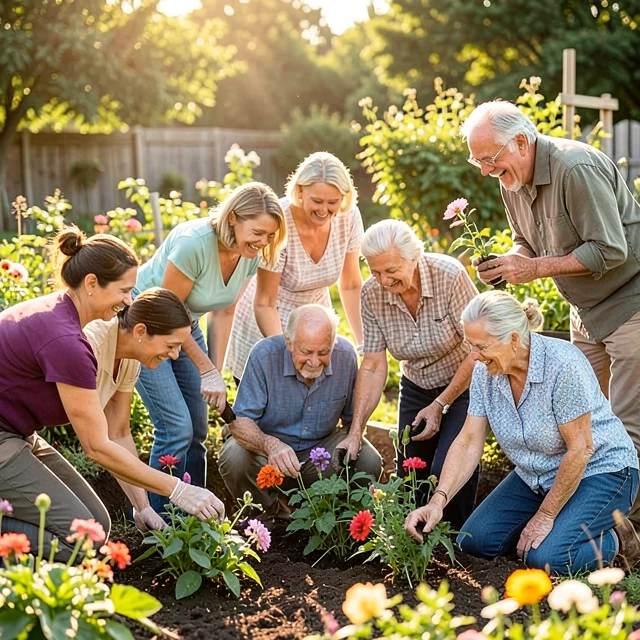
People volunteer for many reasons. Some seek to give back, others want new skills or adventure. Studies show clear benefits. According to Harvard T.H. Chan School of Public Health researchers, regular volunteering links to better physical health, reduced pain, and increased longevity.
Volunteers often report higher life satisfaction and lower stress. One analysis found that older adults who volunteer regularly enjoy better health and slower functional decline. These gains make volunteering a powerful tool for personal growth alongside community support.
Setting Clear Goals Before You Start
The key to Making the Most of Your Volunteer Experience starts with purpose. Ask yourself: What skills do I want to build? What causes matter most to me? How much time can I commit?
Write down specific goals. Maybe you aim to improve public speaking by leading workshops. Or you want hands-on experience in environmental restoration. Clear goals help you choose the right opportunity and measure your success later.
Choosing the Right Volunteer Opportunity
Not all roles fit every person. Research organizations that match your interests and values. Local food banks, animal shelters, and tutoring programs offer steady options. For those seeking bigger challenges, international volunteering provides unique perspectives.
Consider your schedule, location, and passions. Short-term projects work well for beginners, while ongoing commitments build deeper connections. Talk to current volunteers to get honest insights about the day-to-day reality.
International Volunteering: Opportunities and Considerations
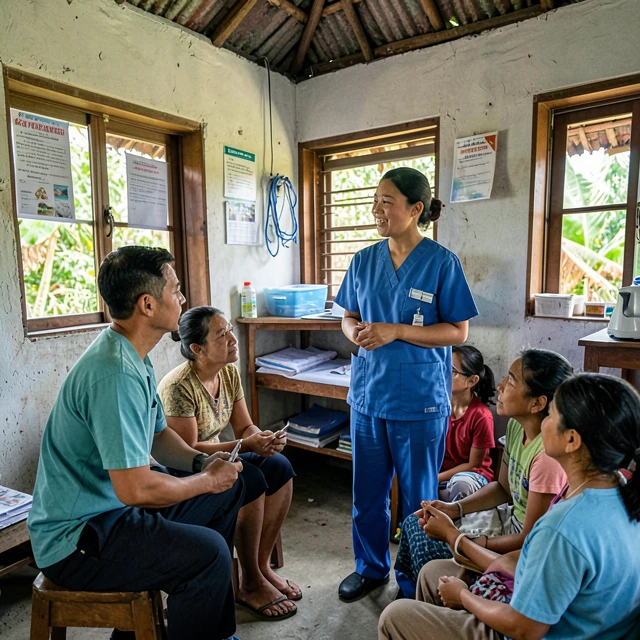
International volunteering can transform your worldview. Programs range from teaching English to conservation work. For medical experts, international volunteering for healthcare professionals offers chances to share expertise in underserved areas while learning new approaches to care.
Preparation is essential. Learn basic phrases in the local language. Study cultural norms to show respect. Reliable organizations provide training and ongoing support. Focus on sustainable projects that empower local teams rather than creating dependency.
Navigating Financial Planning for Volunteering
Money concerns stop many potential volunteers. Navigating Financial Planning for Volunteering involves honest budgeting. Local roles may cost little beyond transportation. International trips require flights, visas, insurance, and living expenses.
Create a detailed spreadsheet. Factor in program fees, vaccinations, and emergency funds. Look for grants or employer matching programs. Some organizations offer stipends or covered housing. Start saving early and explore fundraising options like community events or online campaigns. Smart planning removes financial stress so you can focus on impact.
Preparing for Success
Success comes from good preparation. Complete any required background checks or training promptly. Pack thoughtfully—comfortable clothes, reusable water bottle, and a positive attitude matter most.
Set boundaries to avoid burnout. Schedule regular reflection time to process your experiences. Keep a journal to track what you learn and how you grow. These habits turn routine days into meaningful progress.
Building Strong Relationships
Volunteering thrives on connections. Introduce yourself and learn others' stories. Listen actively and offer help willingly. Strong relationships create a supportive environment and often lead to lasting friendships.
Collaborate with local leaders and staff. Their insights help you contribute more effectively. Respect different working styles and remain flexible when plans change.

Making an Impact While Learning
Focus on quality over quantity. Small consistent efforts often create bigger change than one-time grand gestures. Ask for feedback regularly to improve your contributions.
Document your experiences professionally for future resumes or applications. Highlight specific achievements, such as "Organized weekly literacy sessions for 25 children, improving reading engagement by 40%." These examples demonstrate valuable skills to employers.
Overcoming Common Challenges
Challenges happen. Culture shock, language barriers, or disappointing outcomes can test your motivation. Stay resilient by focusing on what you can control.
Connect with fellow volunteers for support. Maintain healthy habits—good sleep, nutrition, and exercise help manage stress. Remember your "why" during tough moments.
Tracking Your Growth
Regular self-assessment maximizes benefits. Every few months, review your goals. What skills have you gained? How has your perspective shifted? Celebrate small wins and adjust plans as needed.
Many volunteers discover new career paths or lifelong passions through their service. The lessons often extend far beyond the volunteer hours.
Summary
Making the Most of Your Volunteer Experience requires intention, preparation, and openness. By setting goals, planning finances wisely, building relationships, and reflecting regularly, you create value for others while enriching your own life. Whether through local efforts or international volunteering for healthcare professionals and others, your contributions matter. Start small, stay committed, and watch the positive changes unfold.