Mastering Advocacy Communication Strategies: Empowering Volunteers for Impact
Discover effective advocacy communication strategies to engage and inspire action. Learn how to train volunteers, craft compelling messages, and drive meaningful change with actionable insights and real-world examples.
4 min read
Overview
Advocacy communication strategies are the backbone of any successful movement. Whether you're rallying for environmental change, social justice, or community development, how you communicate your cause can make or break its impact. This article dives into practical, proven strategies to craft messages that resonate, train volunteers effectively, and spark action. Drawing from real experiences, we’ll explore how to empower advocates to create lasting change.
Why Advocacy Communication Matters
Advocacy is about influencing decisions and inspiring action. But without clear, compelling communication, even the most passionate cause can fall flat. Effective advocacy communication strategies ensure your message cuts through the noise, connects with your audience, and motivates them to act. Think of it as storytelling with a purpose—your goal is to make people care enough to get involved.
From my own experience working with local nonprofits, I’ve seen how a well-crafted message can turn passive supporters into active volunteers. For example, a community campaign to clean up a local river gained traction not because of facts alone, but because the story of the river’s history and its impact on families was told in a way that hit home.
Key Elements of Advocacy Communication Strategies
To communicate effectively, you need a plan that’s clear, targeted, and adaptable. Here are the core components:
- Know Your Audience: Understand who you’re speaking to. Are they policymakers, community members, or potential volunteers? Tailor your message to their values and concerns.
- Craft a Clear Message: Keep it simple and focused. A single, memorable takeaway—like “Clean water for all”—is more powerful than a list of statistics.
- Use Emotional Appeals: Facts inform, but emotions inspire. Share stories that make your cause relatable.
- Call to Action: Always tell your audience what to do next, whether it’s signing a petition, attending an event, or volunteering.
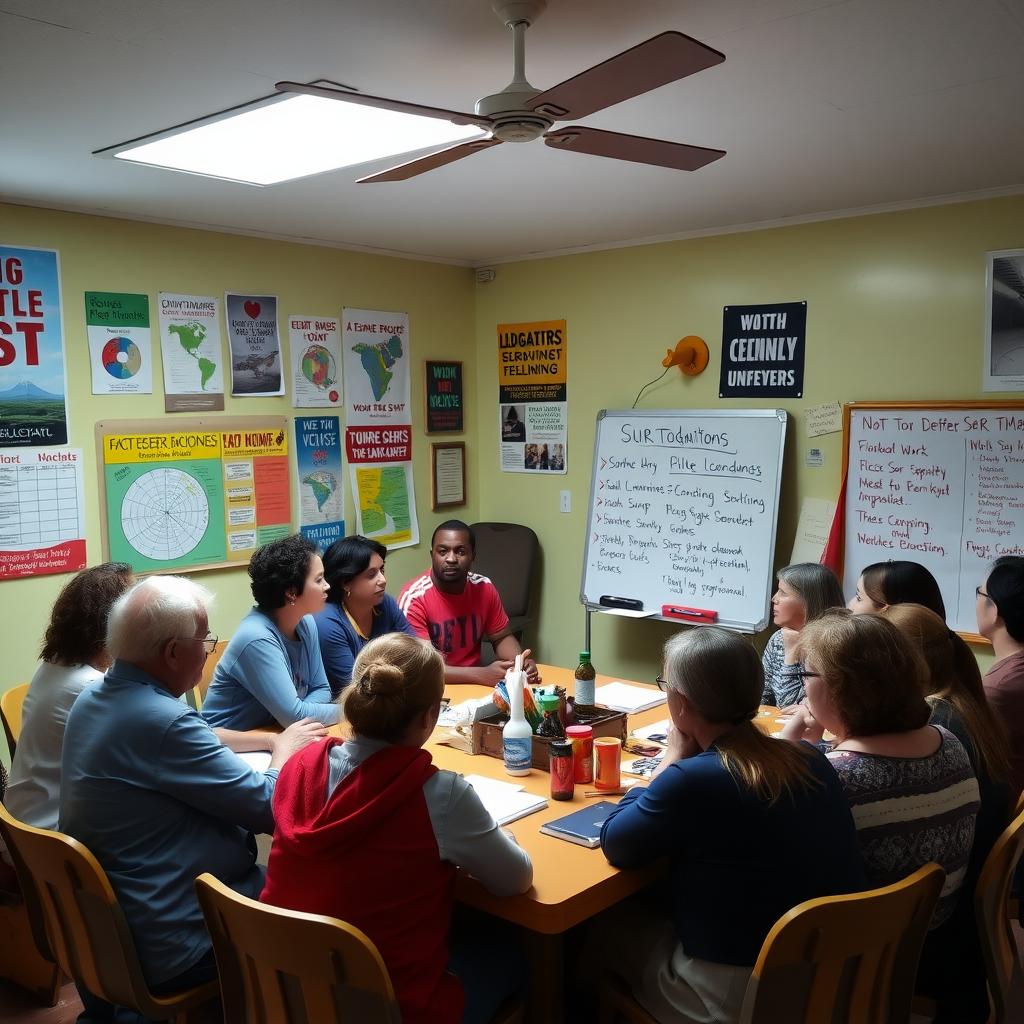
One campaign I worked on struggled initially because our messages were too technical. We switched to sharing personal stories from community members affected by the issue, and engagement skyrocketed. People don’t just want data—they want to feel connected to the cause.
Volunteer Training for Advocacy Work
Volunteers are often the heart of advocacy efforts, but they need the right tools to succeed. Training volunteers for advocacy work isn’t just about teaching them what to say—it’s about empowering them to say it confidently and authentically.
Steps to Train Volunteers Effectively
- Start with the Why: Explain the cause’s purpose and why it matters. Volunteers who believe in the mission will communicate with passion.
- Teach Key Messages: Provide simple talking points they can adapt to their own voice.
- Practice Active Listening: Train volunteers to listen to community concerns, not just push the agenda.
- Role-Play Scenarios: Simulate real-world conversations to build confidence.
- Provide Resources: Equip them with fact sheets, FAQs, and digital tools to stay informed.
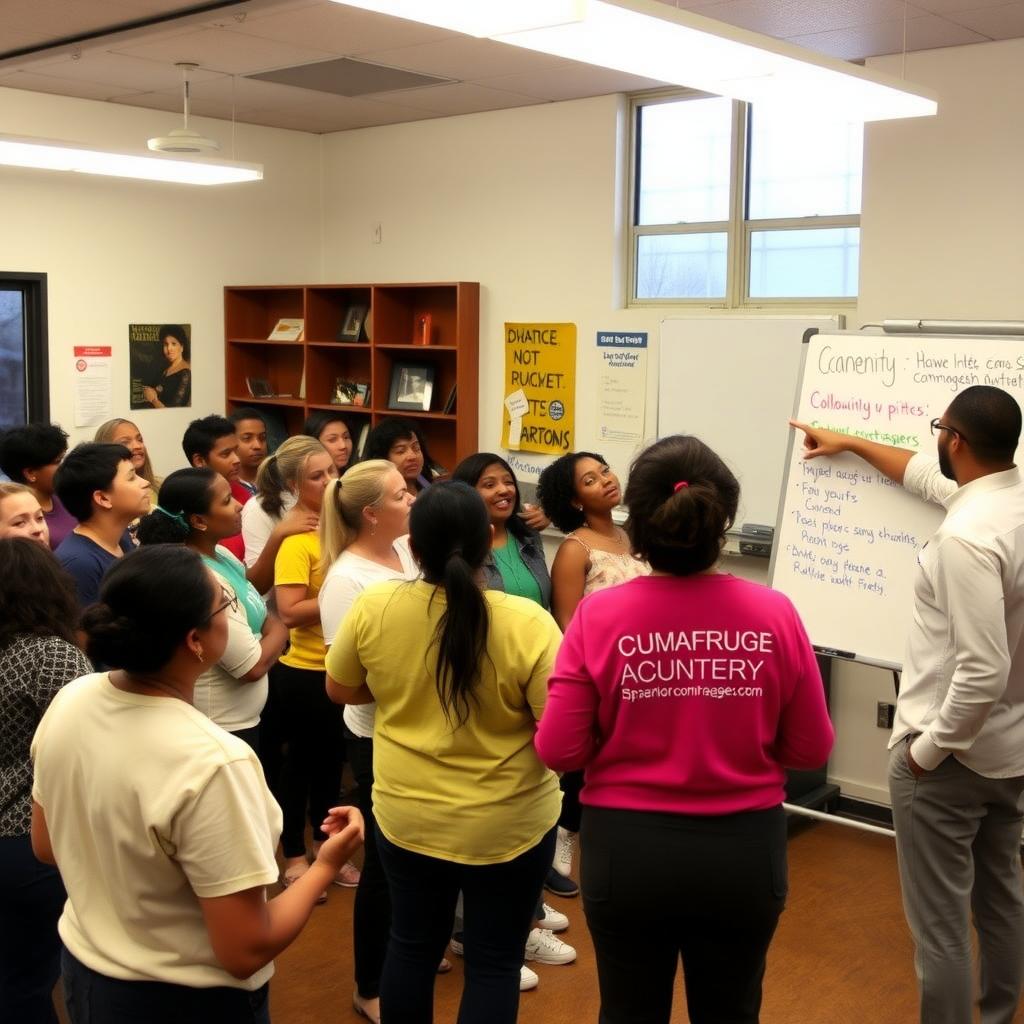
I once led a workshop where volunteers practiced delivering a 30-second pitch about a housing initiative. At first, they stumbled through jargon-heavy scripts. After we simplified the message and let them share personal reasons for caring, their delivery became natural and persuasive. It was a game-changer.

Building a Communication Plan
A strong advocacy communication strategy requires a clear plan. Here’s a simple framework to get started:
| Step | Action | Example |
|---|---|---|
| Define Goals | What do you want to achieve? | Increase volunteer sign-ups by 20%. |
| Identify Audience | Who needs to hear your message? | Local residents and policymakers. |
| Choose Channels | Where will you reach them? | Social media, community events, emails. |
| Measure Success | How will you know it worked? | Track event attendance or petition signatures. |
When I helped a small advocacy group promote a recycling program, we targeted busy parents through social media and school newsletters. By focusing on how recycling could save their kids’ future, we saw a 30% increase in community participation within three months.
Leveraging Digital Tools
In today’s world, digital platforms are critical for advocacy. Social media, email campaigns, and websites can amplify your message. For example, platforms like X can help you share real-time updates and engage directly with supporters. Just be sure to keep your content authentic—people can spot a canned post a mile away.
One tip: Use visuals like infographics or short videos to grab attention. A campaign I worked on used a simple video of kids talking about why they loved their local park. It went viral locally, driving hundreds to a rally.
Overcoming Common Challenges
Advocacy isn’t always smooth sailing. Here are common hurdles and how to tackle them:
- Message Fatigue: If your audience hears the same thing repeatedly, they tune out. Keep your content fresh by varying stories and formats.
- Volunteer Burnout: Advocacy can be intense. Support volunteers with regular check-ins and appreciation events.
- Skeptical Audiences: Some people distrust advocacy efforts. Build credibility with transparent communication and reputable sources, like reports from organizations such as the World Health Organization.
I once saw a campaign stall because volunteers felt overwhelmed. We introduced weekly coffee meetups to share wins and recharge. It made a huge difference in keeping the team motivated.
Measuring Impact
How do you know your advocacy communication strategies are working? Track metrics like: - Volunteer recruitment numbers - Social media engagement (likes, shares, comments) - Event attendance - Policy changes or media coverage
Regularly review these metrics and adjust your approach. For example, if emails aren’t getting opened, try shorter subject lines or more compelling visuals.
Summary
Advocacy communication strategies are about more than words—they’re about connecting, inspiring, and mobilizing. By crafting clear messages, training volunteers effectively, and using digital tools wisely, you can turn passion into action. Empower your team, stay authentic, and keep learning from what works. Your cause deserves it.