Mastering Community Organizing: Build Stronger Communities Through Advocacy and Volunteer Power
Discover practical strategies for effective community organizing, turning volunteers into powerful advocates, and creating lasting change in your neighborhood or cause. Learn from real experiences how advocacy programs for volunteers can drive impact.
3 min read
Quick Overview
Community organizing brings people together to solve shared problems and create positive change. It relies on building relationships, listening deeply, and empowering volunteers through advocacy programs. Whether you're addressing local issues like better schools or environmental concerns, strong organizing turns passion into action. This guide shares real insights to help you start or strengthen your efforts. (About 40 words)
Community organizing isn't just about rallies or petitions. At its heart, it means people coming together to gain power and make their voices heard. I've seen it work in small neighborhoods where residents felt ignored. They started small conversations and grew into a force that changed local policies.
The key difference from simple activism? Organizing builds lasting groups and leaders from within the community. It focuses on long-term power, not quick wins. As Saul Alinsky taught in his classic work, organizing helps the 'have-nots' claim their share through smart, persistent effort.
What Is Community Organizing?
Community organizing is the process of bringing people together to identify common problems, decide on solutions, and take action to make those solutions real. It builds power through relationships and shared goals.
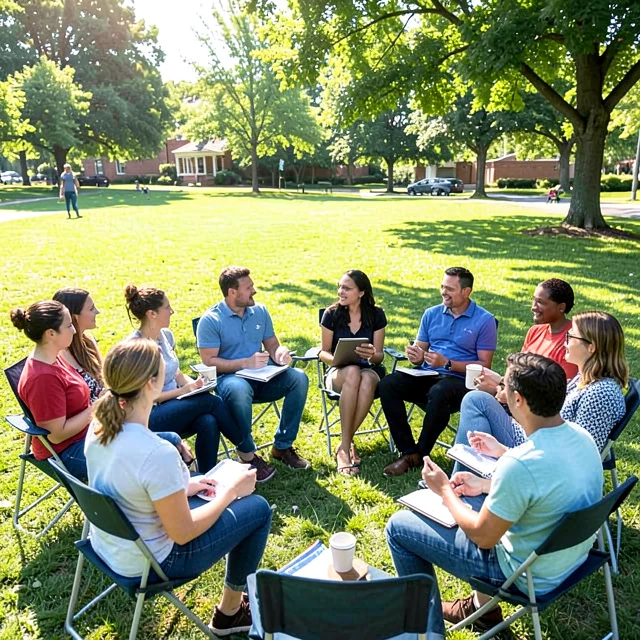
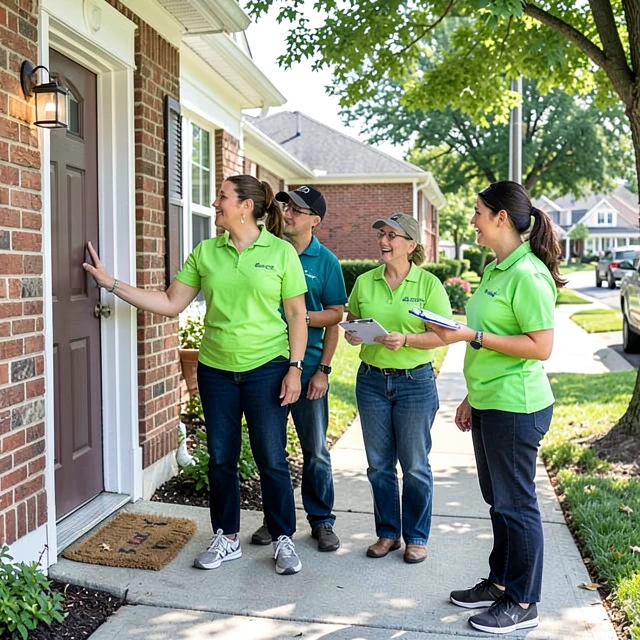
From my experience, successful organizing starts with listening. Go door-to-door or hold small meetings. Ask people what bothers them most. Often, issues like unsafe streets or lack of youth programs rise to the top. This step uncovers what truly matters.
Next, form a core team. Recruit a few dedicated volunteers who care deeply. These early leaders help spread the word and plan next steps. Advocacy grows naturally here as people see how their efforts connect to bigger change.
The Role of Volunteers in Community Organizing
Volunteers are the lifeblood of any organizing effort. They knock on doors, make calls, host events, and share stories. But great organizers turn volunteers into advocates who speak up for the cause long-term.
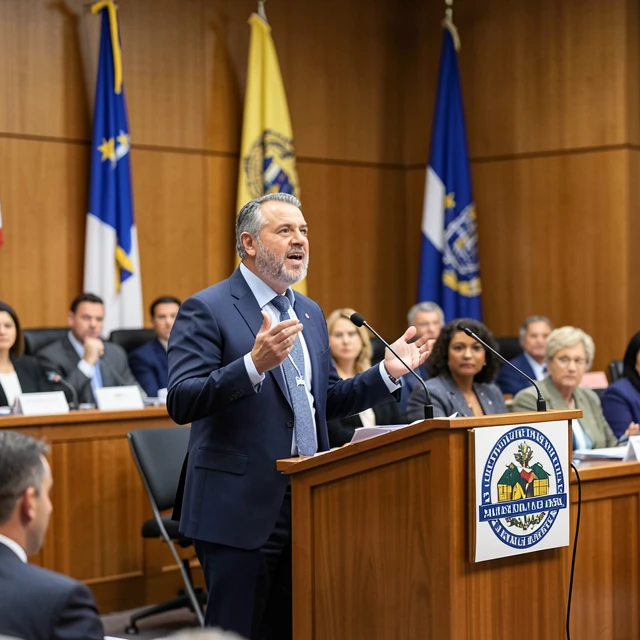
Advocacy programs for volunteers make this happen. These programs train people on how to talk to decision-makers, write letters, or testify at meetings. They build confidence and skills. In one campaign I joined, volunteers went from shy participants to leading public hearings.
Here are key tips to engage volunteers effectively: - Match tasks to people's strengths and interests - Provide clear training and support - Recognize contributions regularly - Create leadership paths so volunteers can grow - Keep communication open and frequent
Strategies for Effective Advocacy
Advocacy means speaking up for change. In community organizing, it pairs with volunteer energy to push for real results. Start by setting clear, achievable goals. Then map who has the power to make change happen.
Use these steps for strong advocacy: 1. Research the issue deeply 2. Build alliances with other groups 3. Craft compelling messages with personal stories 4. Choose tactics like petitions, meetings, or media outreach 5. Follow up persistently
Personal insight: One group I worked with targeted better park funding. Volunteers collected stories from families about kids needing safe play spaces. They presented these at city council meetings. The emotional impact won support and extra budget.
Remember, advocacy works best when inclusive. Involve diverse voices—youth, seniors, different backgrounds. This strengthens your case and builds broader support.
Challenges and How to Overcome Them
Organizing isn't always smooth. Burnout hits hard. People get discouraged if wins take time. Combat this by celebrating small victories and rotating tasks.
Conflicts arise in groups. Address them openly with ground rules for respectful talk. Focus on shared goals to keep momentum.
Sustainability matters. Train new leaders early. Build structures like regular meetings or committees so the work continues even if key people step back.
Measuring Success and Next Steps
Track progress with clear markers: number of people involved, meetings held, policy changes won. But real success shows in empowered people who keep advocating.
Community organizing changes lives. It turns frustration into action and strangers into allies. Start small, listen well, and support your volunteers. You'll see real impact grow.
In summary, community organizing combines listening, building teams, and advocacy to create change. With strong advocacy programs for volunteers, you empower people to lead. Take the first step today—reach out and start a conversation.