Mastering Volunteer Recruitment for Advocacy Campaigns: A Complete Guide
Discover proven strategies for Mastering Volunteer Recruitment for Advocacy Campaigns. Learn how to attract, train, and retain passionate volunteers to drive real change in your advocacy efforts.
4 min read
Overview
Mastering Volunteer Recruitment for Advocacy Campaigns is essential for turning passion into powerful action. Strong volunteer teams amplify your voice, expand your reach, and create lasting impact on the issues you care about. This guide shares practical steps, real insights, and actionable tips to build and sustain an effective volunteer network.
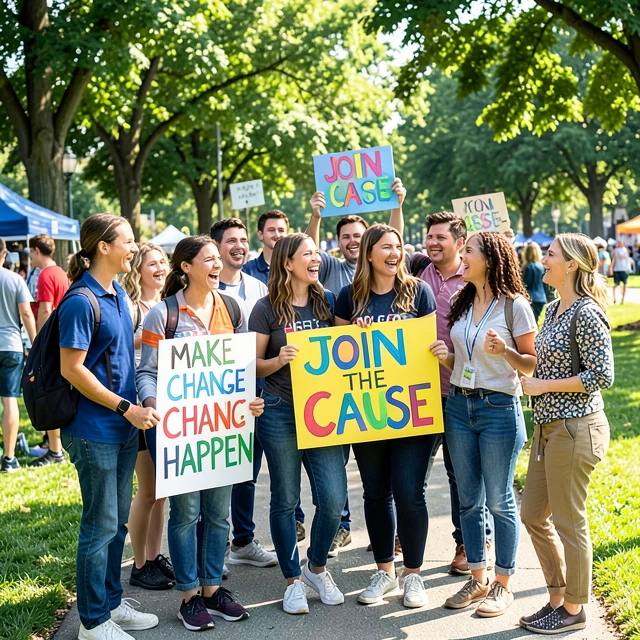
Why Volunteers Are the Heart of Advocacy
Volunteers bring energy, skills, and authenticity to advocacy efforts. Unlike paid staff, they often join because they deeply care about the cause. This passion shows in every conversation, petition signature, and community meeting.
In my experience leading several local campaigns, volunteers who feel ownership of the mission stay longer and achieve more. One campaign I supported grew from 15 dedicated volunteers to over 150 in six months, leading to successful policy changes on environmental protections.
According to data from reputable sources, millions of Americans volunteer each year, with many seeking meaningful advocacy roles. These individuals help organizations reach goals that would otherwise be impossible with limited budgets.
How to Structure an Effective Advocacy Campaign
Before recruiting, build a solid foundation. A well-structured campaign gives volunteers clear direction and purpose.
Start by defining your goals. What specific change do you want? Make them measurable, such as 'Gather 5,000 petition signatures' or 'Meet with 10 local lawmakers.'
Next, identify your target audience and key decision-makers. Research their positions and concerns. Then develop clear messages that connect emotionally and logically.
The Community Tool Box from the University of Kansas offers excellent free resources on getting advocacy campaigns off the ground, including survival skills for advocates and identifying allies and opponents.
Break your campaign into phases: research, planning, action, and evaluation. Assign roles that match volunteer strengths. This structure keeps everyone motivated and accountable.

Skills Needed for Advocacy Volunteering
Successful advocacy volunteers need a mix of practical and interpersonal abilities. Key skills include:
- Communication: Speaking clearly, listening actively, and persuading others.
- Research: Finding facts, understanding policies, and analyzing data.
- Organization: Managing time, events, and follow-ups.
- Empathy and Resilience: Connecting with people and handling setbacks.
- Digital Skills: Using social media, email campaigns, and online tools.
Not every volunteer starts with all these. Great programs offer training to build them. I once trained a shy retiree who became one of our best public speakers after a few workshops.
Focus on matching tasks to skills. Detail-oriented people excel at data entry or petition tracking. Outgoing volunteers shine in community outreach.

Proven Strategies for Mastering Volunteer Recruitment for Advocacy Campaigns
1. Create Clear Volunteer Roles
Write detailed but exciting position descriptions. Instead of 'Help with events,' say 'Lead weekend tabling events to collect 200 signatures per shift and connect with community members.'
2. Tell Compelling Stories
Share real stories of how the issue affects people. Potential volunteers want to know their time will make a difference.
3. Use Multiple Channels
Post on social media, community boards, local newsletters, and partner with schools or businesses. Attend events where like-minded people gather.
4. Make It Easy to Start
Offer low-commitment options like one-time events or virtual tasks. Many people test the waters before committing more time.
Personalize your outreach. Send targeted messages to past supporters or people who engaged with your content. Highlight how their unique skills fit specific needs.
Training and Onboarding for Success
Good training builds confidence. Cover campaign goals, key messages, safety protocols, and communication guidelines. Use a mix of online videos, in-person sessions, and shadowing opportunities.
Pair new volunteers with experienced ones for mentorship. Check in regularly and celebrate wins, big and small.
Retention: Turning One-Time Helpers into Long-Term Advocates
Recognition matters. Send thank-you notes, feature volunteers in newsletters, and host appreciation events. Provide meaningful feedback on their impact.
Offer growth opportunities like leadership roles or advanced training. Flexible scheduling respects volunteers' busy lives.
Track impact with simple metrics. Show how many people your team reached or policies influenced. People stay when they see results.
Common Challenges and Solutions
Challenge: Low turnout – Solution: Over-communicate with reminders and make events fun and social.
Challenge: Burnout – Solution: Rotate tasks and encourage time off.
Challenge: Diverse recruitment – Solution: Partner with different community groups and translate materials when needed.
Use tables to organize volunteer tasks:
| Task Type | Ideal Skills | Time Commitment |
|---|---|---|
| Event Support | Outgoing, organized | 4-6 hours |
| Digital Advocacy | Tech-savvy, writing | 2-3 hours/week |
| Research | Analytical, detail-oriented | Flexible |
| Leadership | Experienced, motivated | Ongoing |
Measuring Success
Track recruitment numbers, retention rates, hours contributed, and campaign outcomes. Tools like free Google Forms or simple spreadsheets work well for small teams.
Adjust strategies based on what works. Successful campaigns learn and evolve.
Summary
Mastering Volunteer Recruitment for Advocacy Campaigns takes planning, empathy, and consistent effort. By creating clear structures, matching skills to roles, and showing genuine appreciation, you build teams that drive meaningful change. Start small, stay authentic, and watch your impact grow.
Every volunteer you recruit brings unique value to the cause. Your next great advocate might be just one conversation away.