Maximizing Impact through Volunteer Programs: A Guide to Meaningful Change
Discover practical ways to maximize impact through volunteer programs. Learn strategies for organizing a community service event, embracing service learning, and creating lasting benefits for volunteers and communities.
3 min read
Overview
Volunteering does more than help others—it creates real change when done right. Maximizing Impact through Volunteer Programs means building efforts that deliver strong results for communities while giving volunteers rewarding experiences. This guide shares simple, proven steps to make your volunteer work count.
Why Focus on Impact?
Many volunteer programs start with good hearts but fall short on results. When you focus on maximizing impact through volunteer programs, you turn good intentions into measurable good. Volunteers stay longer, communities get better help, and everyone feels the difference.
From my experience helping run local groups, I've seen programs double their reach just by planning smarter. It's not about more people—it's about smarter efforts.
Start with Clear Goals
Every strong program begins with knowing what success looks like. Ask: What problem do we solve? Who benefits most?
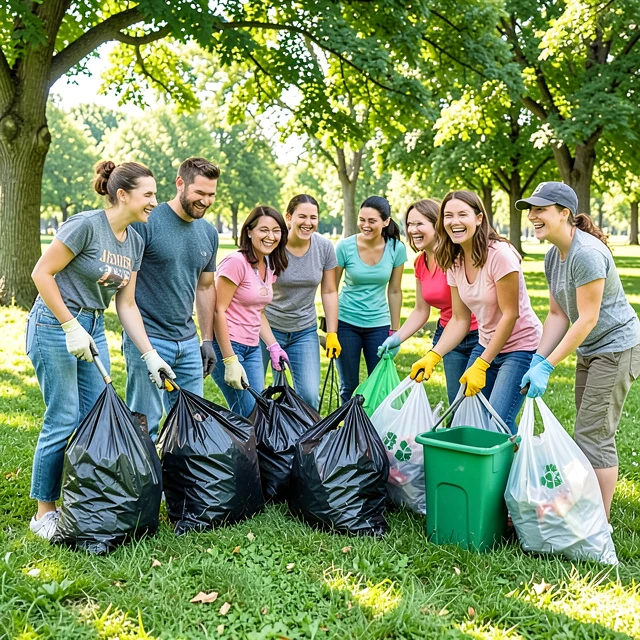
Set specific goals. Instead of 'help the environment,' aim for 'remove 500 pounds of trash from the local park.' Clear goals guide decisions and show progress.
Match Skills to Needs
People give more when they use their strengths. A teacher might excel at tutoring, while a marketer could handle outreach.
Ask volunteers about their skills early. This boosts results and keeps them engaged. Skills-based volunteering often creates deeper change because experts solve problems faster.
Embrace Service Learning
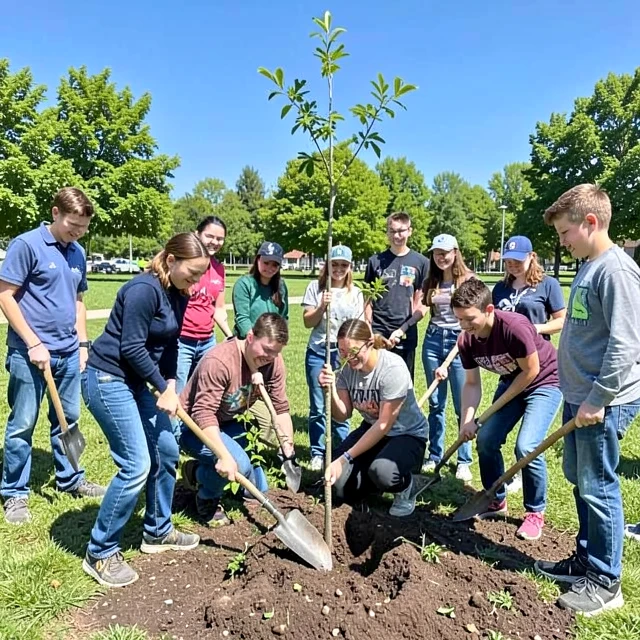
Service learning combines action with reflection. Participants don't just volunteer—they learn from it.
In schools or groups, pair service with discussions or journals. This builds critical thinking and empathy. Studies show students in service learning gain better grades, stronger civic skills, and more self-awareness.
For example, students helping at a food bank can study hunger causes. This turns one-time help into lasting understanding.
Organizing a Community Service Event
Organizing a community service event can spark big change. Follow these steps:
- Pick a need—talk to locals or partners.
- Set a date and clear goals.
- Recruit through social media, flyers, and word of mouth.
- Plan logistics—supplies, safety, roles.
- Promote the why—share stories of impact.
- Follow up with thanks and results.
One event I helped plan collected supplies for 200 families. Good planning made it smooth and fun.
| Step | Key Action | Tip |
|---|---|---|
| 1. Identify Need | Survey community | Focus on urgent issues |
| 2. Set Goals | Define measurable outcomes | Use numbers like people helped |
| 3. Recruit | Use multiple channels | Highlight fun and purpose |
| 4. Prepare | Assign roles, get supplies | Train for safety |
| 5. Execute | Keep energy high | Take photos for sharing |
| 6. Follow Up | Thank everyone, share results | Build for next time |

Measure Your Impact
Track what matters. Count hours, people helped, items collected. Also gather stories and feedback.
Use simple surveys: 'Did this help you? What changed?' Tools like volunteer software make tracking easy. Sharing results inspires more support and shows funders the value.
The value of volunteer time keeps rising—around $30+ per hour in recent years. Your program's impact adds up fast.
Build Strong Relationships
Treat volunteers as partners, not helpers. Communicate often, recognize efforts, offer growth chances.
Host thank-you events or share success stories. When people feel valued, they return and bring friends. This creates a cycle of bigger impact.
Overcome Common Challenges
Busy schedules? Offer flexible roles. Low turnout? Share emotional stories. Burnout? Rotate tasks and celebrate wins.
Start small, learn, adjust. Every program improves over time.
Final Thoughts
Maximizing impact through volunteer programs takes intention, but the rewards are huge. Clear goals, skill matching, service learning, and great event planning turn effort into real change.
Whether you're a volunteer, leader, or teacher, focus on meaningful action. Your work builds stronger communities—one act at a time.