Maximizing Impact: Volunteer Tips from Experienced Advocates
Discover actionable volunteer tips from seasoned advocates to amplify your impact in advocacy work. Learn best practices in advocacy volunteering and make a real difference.
3 min read

Overview
Volunteering in advocacy can change lives and communities. Experienced advocates share practical tips to help you maximize your impact. This guide covers best practices in advocacy volunteering, drawn from real stories and proven strategies. Whether you're new or seasoned, these insights will help you contribute more effectively.

Choose the Right Cause and Role
Start by picking a cause that truly excites you. Passion keeps you going when things get tough. One experienced advocate I know spent years in environmental advocacy. She says, "I chose climate change because it affects my kids' future. That personal connection made every effort feel meaningful."
Match your skills to the role. If you're good at writing, focus on petitions or social media posts. If you enjoy talking to people, try phone banking or community outreach. Organizations often need help in many areas, so ask where your strengths fit best.
Many advocates stress the importance of starting small. Commit to what you can handle. Overcommitting leads to burnout. Aim for consistent effort over time rather than intense short bursts.
Get Trained and Stay Informed
Good training makes a big difference. Look for workshops on communication skills, policy basics, or digital tools. Experienced volunteers often pair with mentors. One advocate shared, "My mentor taught me how to speak to lawmakers without getting nervous. That skill opened doors for real change."
Stay updated on your issue. Read reports from trusted sources like Human Rights Watch or Independent Sector. Know the facts so you can explain them clearly to others.
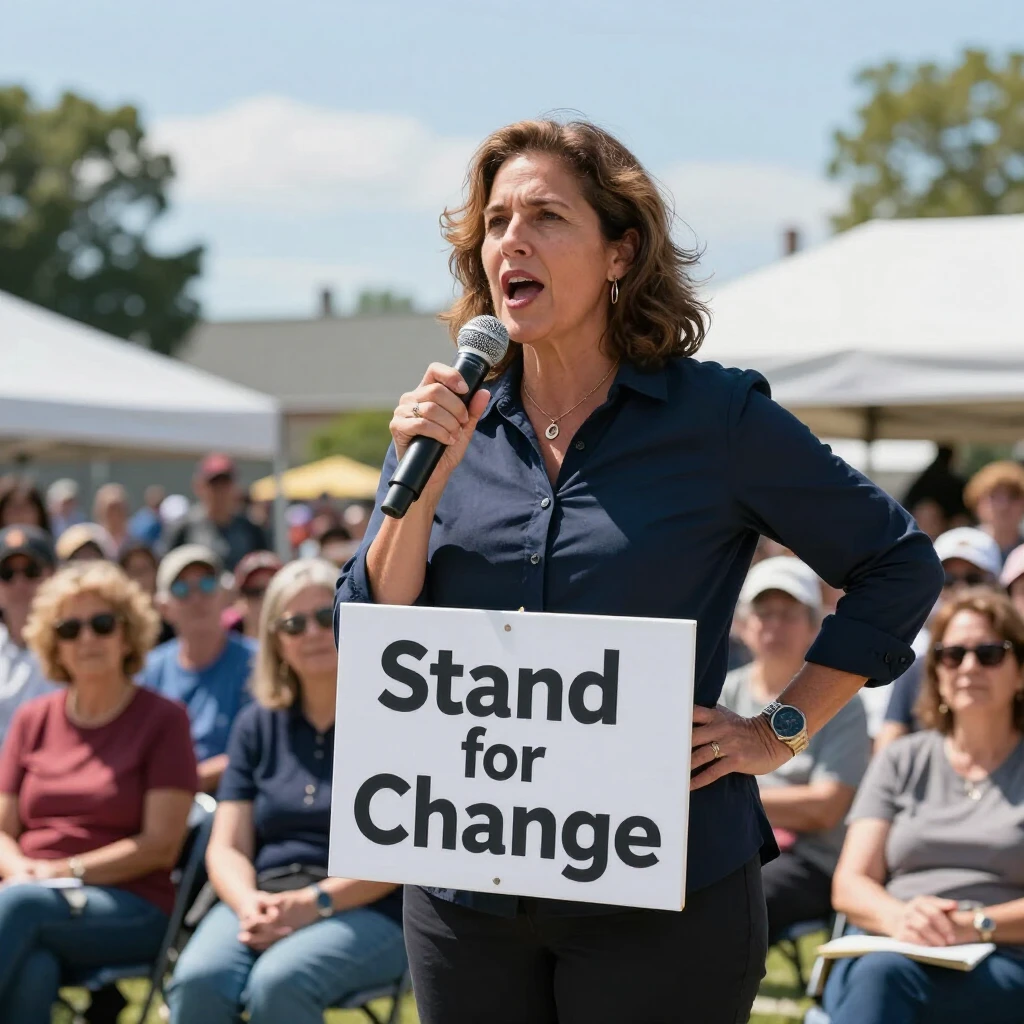
Build Relationships and Community
Advocacy works best in teams. Connect with other volunteers. Share stories, celebrate wins, and support each other during setbacks. Many long-term advocates say the friendships they made kept them motivated.
Turn volunteers into advocates for your cause. Encourage them to share their experiences with friends and family. Positive stories spread naturally and bring in new supporters.
Here are some ways to build community:
- Attend regular meetings or virtual check-ins
- Join online forums or social media groups
- Organize social events like potlucks or team-building activities
- Provide feedback channels so everyone feels heard
Take Action in Smart Ways
Focus on high-impact activities. Phone calls to representatives, letter-writing campaigns, and social media shares can reach many people quickly. One veteran advocate recalls, "During a key policy push, our group made hundreds of calls from home. It tipped the scale in our favor."
Use technology wisely. Tools for virtual phone banking or petition platforms make remote volunteering easy and effective.

Measure Progress and Celebrate Wins
Track your efforts. Note how many people you reached or signatures collected. Small wins add up. Celebrate them with your team – a group high-five or thank-you notes go a long way.
Learn from challenges. If something doesn't work, adjust. Experienced advocates say flexibility is key to long-term success.
Here’s a simple table of common advocacy activities and their impact:
| Activity | Time Needed | Potential Impact |
|---|---|---|
| Social Media Sharing | Low | Raises awareness quickly |
| Phone Banking | Medium | Direct influence on decision-makers |
| Community Events | High | Builds local support and networks |
| Policy Research | Variable | Informs stronger arguments |
Avoid Burnout and Stay Sustainable
Advocacy can be emotional. Set boundaries. Take breaks when needed. Many advocates practice self-care by exercising or spending time with family.
Commit long-term when possible. Sustained effort creates lasting change. One advocate with over 20 years experience says, "It's not about one big win. It's showing up consistently that moves the needle."
Personal Stories from the Field
Sarah, a veteran in social justice advocacy, started as a phone volunteer. "I was shy at first, but practicing scripts built my confidence. Now I lead training sessions for new volunteers."
Mike focused on environmental causes. "Matching my tech skills to online campaigns let me reach thousands without leaving home. It felt powerful."
These stories show anyone can make a difference with the right approach.
Final Thoughts
Maximizing impact as a volunteer in advocacy comes down to passion, preparation, and persistence. Follow these best practices in advocacy volunteering, and you'll see real results. Start today – your voice matters.
Remember, every action counts. As one experienced advocate puts it, "Change starts with one person deciding to act."