Maximizing Your Impact: Tips from Experienced Volunteer Advocates
Discover practical strategies to maximize your volunteer impact. Learn from seasoned advocates on getting started, building skills, overcoming challenges, and creating real change in your community.
3 min read
Volunteering offers a powerful way to support causes you care about while growing personally. This guide shares real-world advice from people who have spent years as volunteer advocates. Whether you are new or experienced, these insights will help you make a bigger difference.
A Quick Overview
Maximizing Your Impact: Tips from Experienced Volunteer Advocates means focusing your time and energy where it counts most. You will learn how to start strong, build useful skills, handle setbacks, and measure your success. Real advocates share stories that show volunteering can change lives — including your own.
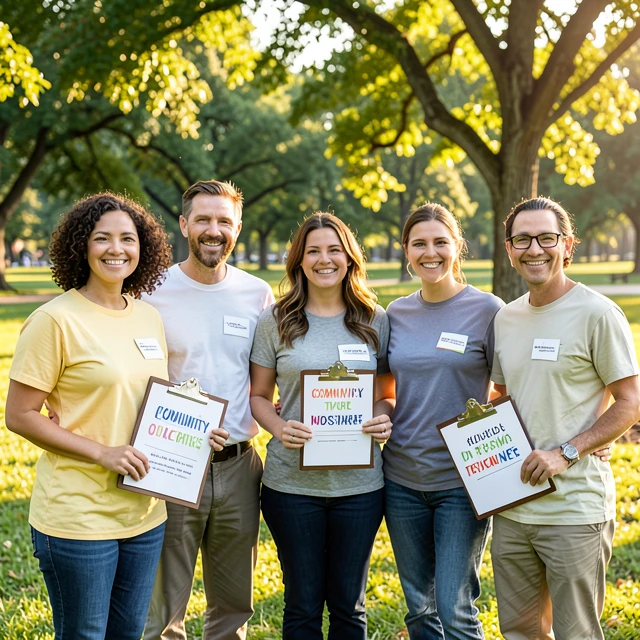
Advocacy 101: Getting Started as a Volunteer Advocate
Starting as a volunteer advocate can feel exciting but also overwhelming. The key is to begin with passion and a clear purpose. First, identify causes that truly matter to you. Do you care about education, environment, health, or social justice?
Connect with local organizations that align with your values. Attend orientation sessions and ask lots of questions. Many experienced volunteers recommend starting small. Choose one project that fits your schedule so you avoid burnout.
One seasoned advocate named Maria shared her story: "I began by handing out flyers for a literacy program. Within months, I was helping design the curriculum. Small steps lead to bigger roles when you stay consistent."
Set realistic goals for your first few months. Track your hours and note what activities feel most rewarding. This helps you understand where you add the most value. Remember, every experienced volunteer started exactly where you are now.
Boosting Skills Through Volunteering
Volunteering is one of the best ways to develop new abilities while helping others. You can improve communication, leadership, project management, and teamwork skills in real situations.
Many volunteers learn public speaking by presenting at community meetings. Others build research skills by gathering data for advocacy campaigns. These experiences often translate well to career growth.
Consider keeping a simple journal of skills you practice. For example: - Negotiation during fundraising - Event planning and coordination - Digital tools for outreach
Sarah, a volunteer with ten years of experience, says: "I gained confidence speaking to city officials through my environmental work. Those skills helped me advance in my job too."

Maximizing Your Volunteer Impact: Tips from Seasoned Volunteers
Experienced volunteers emphasize quality over quantity. Focus on projects where your unique strengths make a real difference. Here are practical tips:
-
Build strong relationships. Get to know staff and other volunteers. Collaboration multiplies impact.
-
Learn to listen first. Understand community needs before offering solutions.
-
Document your work. Take notes and photos (with permission) to show progress and support funding requests.
-
Seek feedback regularly. Ask supervisors and community members what is working and what could improve.
-
Stay informed. Read reports and attend trainings to keep your knowledge current.
Use tools like shared calendars and simple project management apps to stay organized. Many advocates recommend setting aside time each month to reflect on your contributions and adjust your approach.
| Tip | Why It Works | How to Apply |
|---|---|---|
| Focus on strengths | Uses your best skills efficiently | Choose roles matching your experience |
| Network intentionally | Opens new opportunities | Attend events and follow up |
| Measure outcomes | Shows real results | Track numbers helped or items collected |
Overcoming Obstacles in Volunteering
Every volunteer faces challenges. Common issues include time constraints, frustration with slow progress, or difficult team dynamics.
To overcome time issues, block specific hours in your calendar and treat them as important appointments. When progress feels slow, celebrate small wins and remember change often takes time.
If you encounter conflicts, practice calm communication and focus on shared goals. Many experienced advocates suggest finding a mentor who can offer guidance during tough periods.
David, who has advocated for mental health causes for 15 years, notes: "There were months when nothing seemed to move forward. Talking with other volunteers reminded me we were still planting important seeds."
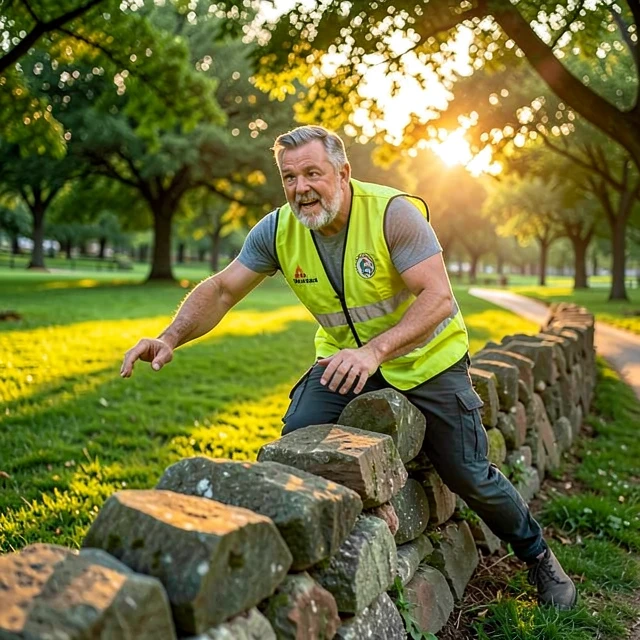
Burnout is real. Set boundaries and take breaks when needed. Healthy volunteers sustain their efforts longer and ultimately create more impact.
Bringing It All Together
Maximizing Your Impact: Tips from Experienced Volunteer Advocates comes down to intention, consistency, and learning. Start where you are, use your strengths, build skills, and persist through challenges. Your efforts matter more than you may realize.
Thousands of people improve communities every day through thoughtful volunteering. By applying these strategies, you can join their ranks and create lasting positive change.
Take the first step today. Choose one tip from this article and put it into action this week. Your future self — and those you help — will thank you.