Measuring Success in Community Projects: A Comprehensive Guide
Discover practical ways to measure success in community projects with real examples, simple tools, and expert tips to boost impact.
4 min read
Overview
Measuring success in community projects helps you see what works, improve outcomes, and inspire others. This guide shares easy methods and real stories to evaluate your initiatives effectively.
Introduction
Community projects bring people together to solve problems and make life better. But how do you know if your project is working? Measuring success shows you the real difference you’re making. I’ve worked on projects like neighborhood clean-ups and youth programs, and I’ve learned that success isn’t just about numbers—it’s about people’s lives changing. In this article, we’ll explore how to measure the success of your initiative with practical steps and honest insights.

Why Measuring Success Matters
Think about this: if you don’t measure success, how do you know what to keep doing or what to change? Measuring success in community projects does a few big things:
- Shows what’s working (and what’s not)
- Helps you get more support or funding
- Keeps your team excited and focused
- Makes future projects stronger
Success isn’t the same for every project. For a food drive, it might be pounds of food collected. For a mentoring program, it might be kids feeling more confident. Define what matters most to your work.
How to Define Success
Start with simple questions:
- What’s the problem we’re fixing?
- What change do we want to see?
- How will we know we did it?
I once helped organize a community garden. We decided success was more people growing their own food and neighbors talking more. We asked locals what they wanted, and that shaped our goals. Get your community involved—it makes your measures more real.
Ways to Measure Success
You can measure success in different ways. Here’s a quick table to help:
| Type | Examples |
|---|---|
| Numbers | People helped, money raised |
| Stories | Feedback, personal comments |
| Results | Skills learned, habits changed |
| Teamwork | Volunteer turnout, smooth planning |
Mix these up for a full picture. Numbers show scale, but stories show heart.
Tools You Can Use
Here are some easy ways to track success:
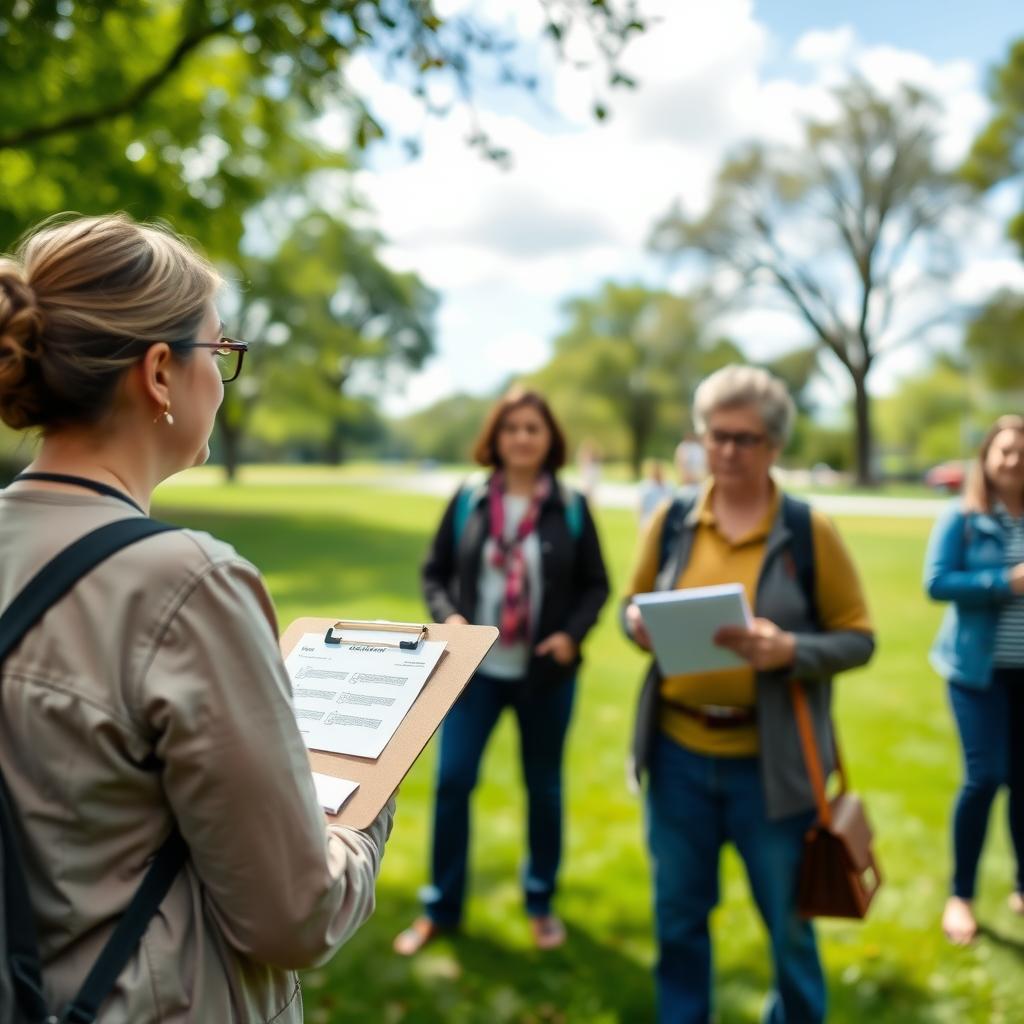
- Surveys: Ask quick questions like “Did this help you?”
- Chats: Talk one-on-one with people involved.
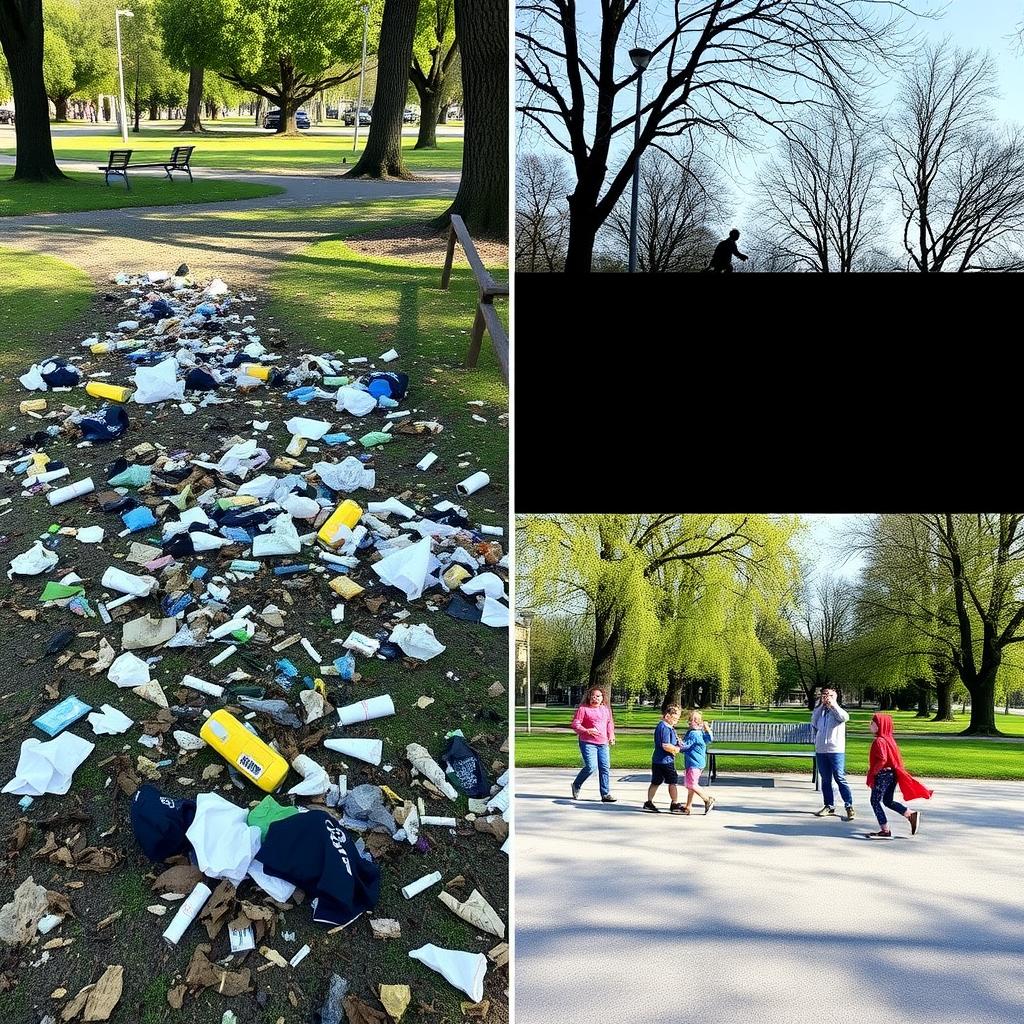
- Photos: Take before-and-after shots to see change.
- Spreadsheets: Track simple stats like attendance.
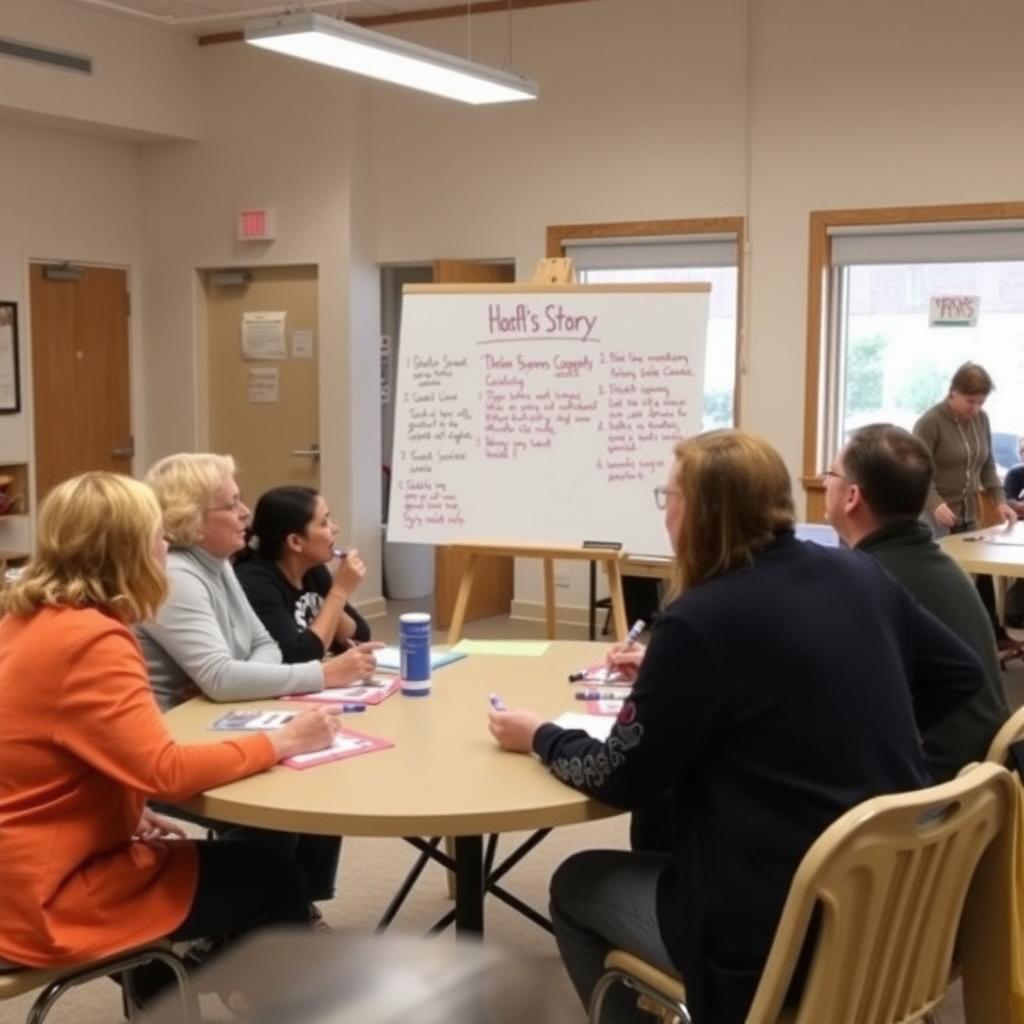
- Group Talks: Host a small meet-up to hear thoughts.
Pick what fits your project. I’ve used surveys after workshops—they’re fast and tell you a lot.
Real Challenges You Might Face
Measuring success isn’t always easy. Here’s what I’ve run into and how to handle it:
- No starting point: If you didn’t track before, start now for next time.
- Hard-to-see wins: Things like “happier neighbors” don’t have numbers. Use stories instead.
- No time or money: Focus on one or two key things with free tools like Google Forms.
- Honest answers: People might sugarcoat feedback. Ask in different ways to check.
Don’t stress about perfection—just start where you are.
A Real Story: The Park Clean-Up
Here’s an example from my experience. We ran a park clean-up with 20 volunteers. We measured success like this:
- Numbers: 50 pounds of trash picked up
- Feedback: Neighbors said the park felt safer
- Results: More kids played there after
- Teamwork: Most volunteers came back next time
This mix showed we didn’t just clean—we built a better space.
Using Feedback to Get Better
Measuring isn’t just about bragging—it’s about growing. After our clean-up, people said they wanted more trash cans. We added that to the next plan. Use what you learn to tweak things. Keep asking, listening, and adjusting. It’s how you make projects last.
Tech Makes It Easier
Technology can help a ton. Try these:
- Apps: Use something like SurveyMonkey for quick polls.
- Social Media: See who’s talking about your project online.
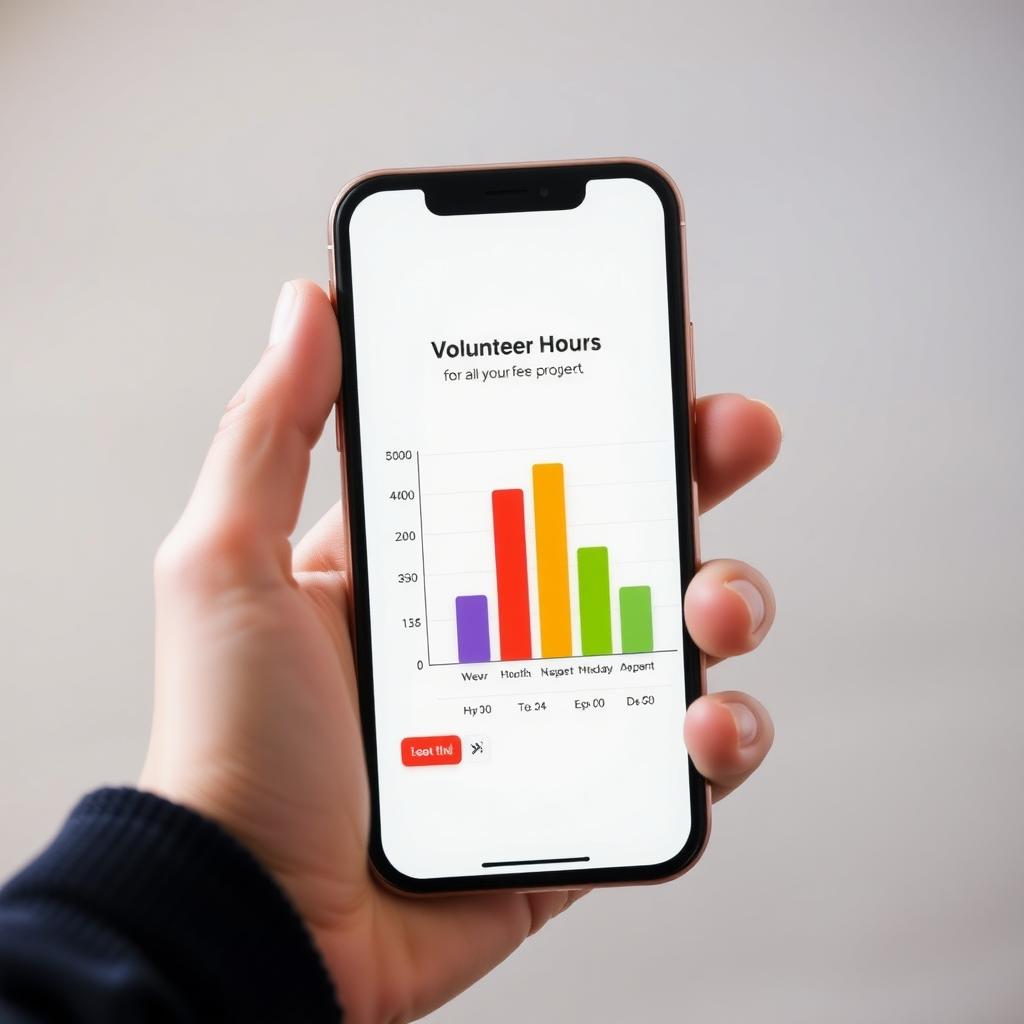
- Charts: Turn data into pictures with free tools like Canva.
I’ve used my phone to snap progress pics—it’s simple but powerful.
Sharing Your Wins
When you’ve got results, tell everyone! Share with:
- Your team to keep them pumped
- Supporters to say thanks and ask for more
- The community to get them excited
Make it fun—use photos or short videos. People love seeing what they helped create.
Tips for Starting Your Own Project
New to this? Check out How to Start Your Own Initiative. It’s got steps to kick things off right. Measuring success starts with a solid plan, so set clear goals from day one.
Connecting Through Civic Engagement
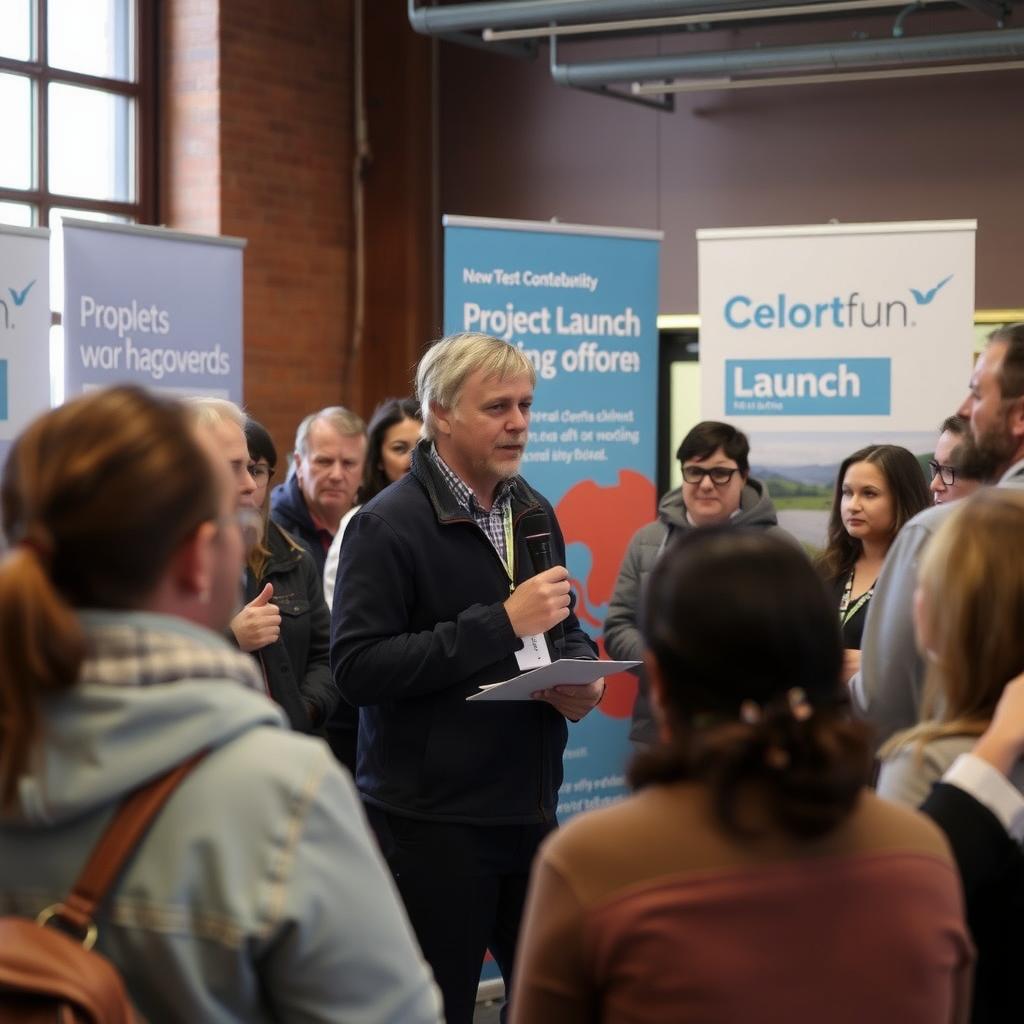
Projects like these tie into civic engagement ideas and service learning and civic engagement. They’re about people stepping up to help. Measuring success shows others why it’s worth joining in.
Wrapping Up
Measuring success in community projects takes effort, but it’s worth it. Set clear goals, use simple tools, and listen to your community. You’ll see what’s working and make things better. Want more? Check the recommended readings below for extra tips and ideas.