Measuring Impact in Community Advocacy Projects: A Complete Guide
Learn practical ways to measure impact in community advocacy projects. Discover how to track success, develop leadership skills through advocacy work, and see real results from youth advocacy volunteer projects and peer mentorship programs.
4 min read
Community advocacy projects create real change when people come together for a cause. But how do you know if your efforts are working? Measuring impact in community advocacy projects helps groups see what is effective and where to improve. This guide shares simple tools, real stories, and actionable steps to track progress and build stronger initiatives.
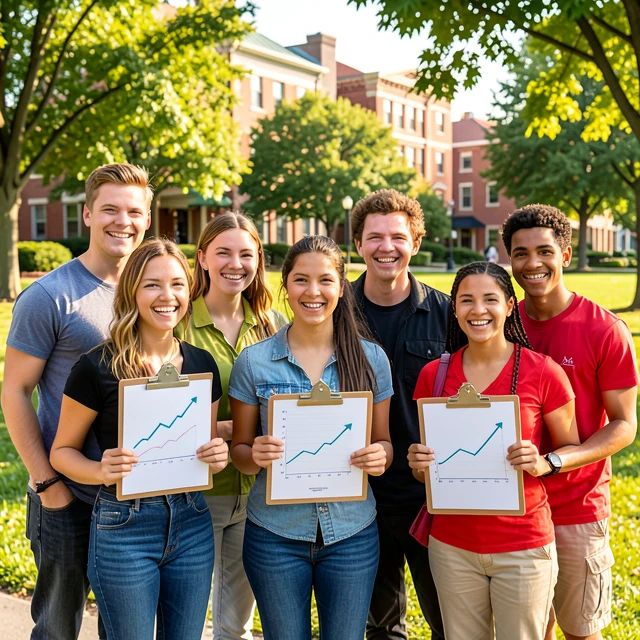
I remember my first youth advocacy volunteer project. We wanted safer parks in our neighborhood. At the beginning, it felt overwhelming. We collected signatures and organized clean-up days. But without clear ways to measure results, we wondered if we made a difference. That experience taught me the value of tracking impact from day one.
Measuring impact means collecting evidence about the changes your project creates. It covers numbers like people reached, as well as stories about lives improved. Good measurement keeps everyone motivated and helps attract more support.
Why Measuring Matters in Advocacy
Without measurement, it's easy to keep doing the same things even if they do not work well. When you measure impact, you can celebrate wins, fix problems early, and show funders and partners the value of your work. This approach also supports developing leadership skills through advocacy work as team members learn to set goals and review progress.
For youth especially, seeing results builds confidence. Youth Advocacy: Making a Difference becomes real when participants can point to specific improvements they helped create.
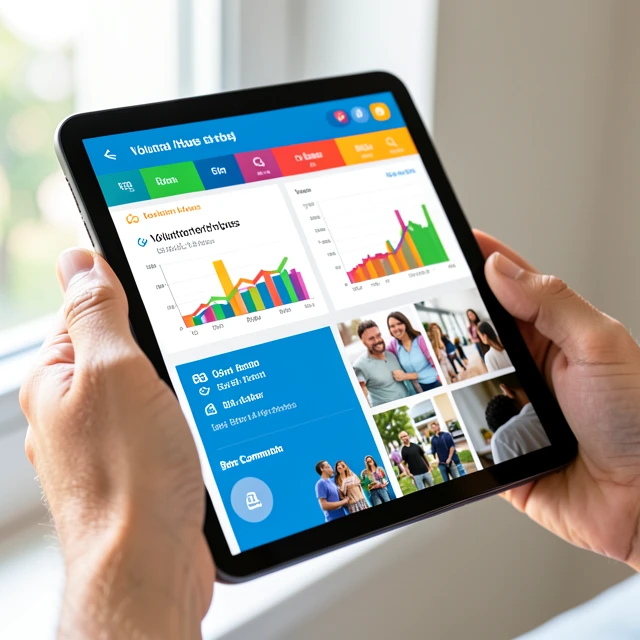
Simple Ways to Measure Impact
Start with clear goals. What change do you want to see? Use the SMART method: Specific, Measurable, Achievable, Relevant, and Time-bound.
Here are practical tools you can use right away:
- Surveys and Feedback Forms: Ask participants how the project affected them before and after.
- Attendance Records: Track how many people join events and activities.
- Story Collection: Gather short written or video testimonials.
- Before-and-After Photos: Visual proof of physical changes like cleaned areas or new signs.
In one youth advocacy volunteer project I supported, we used simple weekly check-ins. Team members shared one win and one challenge. This habit helped us adjust quickly and kept morale high.
The Power of Peer Mentorship Programs
The Impact of Peer Mentorship Programs stands out in many advocacy efforts. Older youth guide younger ones, creating a ripple effect of skills and confidence.
To measure these programs, track: - Number of mentoring pairs - Skills learned through self-reports - Projects completed by mentees - Long-term involvement rates
One program I observed paired high school students with middle schoolers for environmental advocacy. After six months, 85% of mentees reported feeling more confident speaking up at school meetings. That data helped secure additional funding.
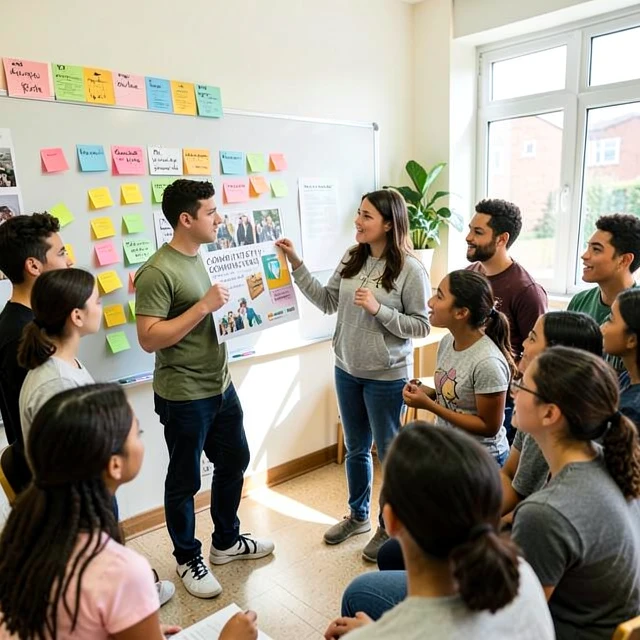
Developing Leadership Skills Through Advocacy Work
Advocacy naturally builds leaders. Young people learn public speaking, project management, teamwork, and problem-solving. Measuring this growth adds another layer of impact.
Use simple leadership rubrics where participants rate themselves on skills at the start and end of the project. Combine this with observations from mentors for a fuller picture.
Real leadership shows in actions. One participant in a local campaign went from shy observer to leading petition drives. She later credited the experience with helping her gain a college scholarship.
Challenges and How to Overcome Them
Common challenges include limited time, small budgets, and difficulty linking activities to long-term outcomes. Focus on a few key metrics rather than trying to track everything.
Free tools like Google Forms, Canva for visuals, and simple spreadsheets work well for small teams. Larger projects might use platforms designed for nonprofits.
Stay realistic. Not every project will show huge numbers right away. Small consistent changes add up over time.
Case Study: A Successful Youth Project
A group of students started a campaign for better school lunch options. They measured impact by tracking petition signatures (over 400), changes in menu offerings (three new healthy choices), and student satisfaction surveys (up 40%).
The project also created unexpected benefits. Several participants joined local government youth councils, showing how advocacy opens new doors.
Tips for Long-Term Success
- Involve the whole team in deciding what to measure.
- Review data regularly and celebrate progress.
- Share results with the community through social media and local events.
- Adjust goals based on what you learn.
- Document everything to build a strong story for future support.
Remember that numbers tell part of the story. Personal stories about changed lives often move people more deeply.
In summary, measuring impact in community advocacy projects turns good intentions into proven results. Whether through youth advocacy volunteer projects or structured peer mentorship, tracking progress helps create lasting change while developing leadership skills through advocacy work.
Youth Advocacy: Making a Difference is most powerful when backed by clear evidence. Start small, stay consistent, and watch your community grow stronger.