Measuring the Impact of Community Service Projects: A Practical Guide
Discover effective ways to measure the true value of your community service efforts. Learn practical methods, tools, and insights for evaluating volunteer contributions and service learning outcomes to create lasting change.
4 min read
Community service brings people together to solve real problems and strengthen neighborhoods. But how do you know if your efforts make a real difference? Measuring the impact of community service projects helps you understand what works, improve future work, and show funders and supporters the value of your time and energy.
In this guide, you will find straightforward steps to track results from your volunteer activities. Whether you organize a community service event or lead service learning programs in schools, good measurement turns good intentions into proven progress.
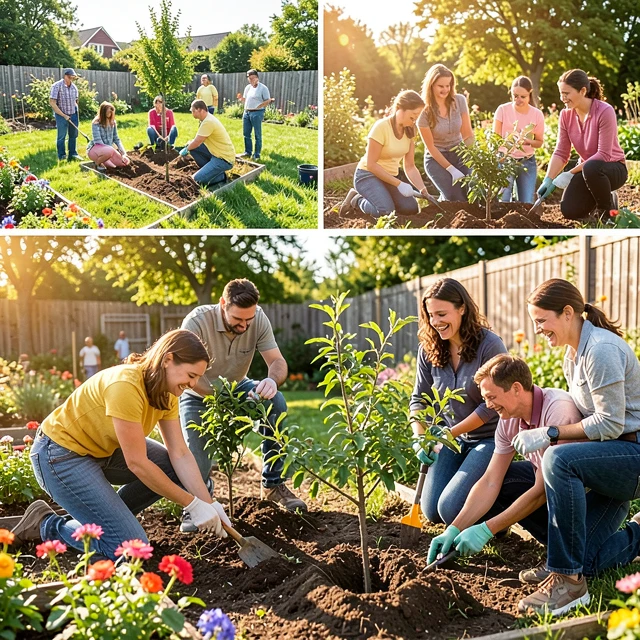
I remember my first time organizing a community service event. We cleaned up a local park and collected what felt like tons of trash. Everyone left feeling good, but I wondered: Did this really help the neighborhood long-term? That question pushed me to learn how to measure impact properly.
Why Measuring Impact Matters
Tracking results helps you make smarter choices. You see which activities bring the biggest benefits and which need tweaking. Good measurement also builds trust with donors, partners, and community members who want to know their support creates real change.
Studies show that service learning programs can improve students' attitudes toward school, civic engagement, and academic performance. A meta-analysis of 62 studies found positive gains in several key areas for students involved in well-designed service learning.
Beyond numbers, measuring impact captures stories that show how lives improve. A single volunteer project might help one family or spark bigger community shifts over time.

Getting Started: Set Clear Goals
Start with the end in mind. Before organizing a community service event, define what success looks like. Do you want to reduce litter in a park, help seniors feel less lonely, or teach kids new skills?
Write down specific, measurable goals. Instead of "clean the park," aim for "remove 500 pounds of trash and plant 20 new trees." Clear goals make measurement easier.
Involve your team and community members in goal-setting. When volunteers help decide what to measure, they feel more ownership over the project.
Key Methods for Measuring the Impact of Community Service Projects
You can use both numbers and stories to paint a full picture. Here are practical approaches that work well for volunteer-led efforts:
- Quantitative metrics: Count hours volunteered, people served, items distributed, or trees planted.
- Qualitative feedback: Collect stories, surveys, and interviews from participants and beneficiaries.
- Before-and-after comparisons: Measure conditions at the start and end of your project.
- Long-term tracking: Check back months later to see if changes last.
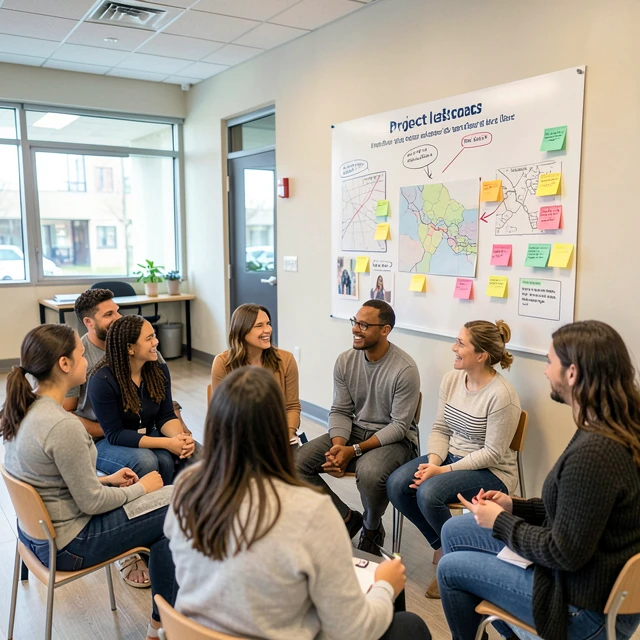
The University of Minnesota Extension recommends Ripple Effect Mapping as a creative way to capture unexpected benefits from community projects. This group activity helps participants map out how one action leads to many positive outcomes.
Practical Tools and Techniques
Simple surveys work wonders. Ask volunteers what they learned and community members how the project helped them. Use free online tools like Google Forms for quick data collection.
For service learning programs, combine reflection journals with skill assessments. Students often gain confidence, better social skills, and a stronger sense of civic responsibility.
Track volunteer retention rates too. High retention shows that people find the work meaningful and want to return.
Organizing a Community Service Event with Measurement in Mind
Good planning includes measurement from day one. When organizing a community service event, build in time for pre-event surveys and post-event feedback.
Create a simple logic model: list your resources, activities, expected outputs, and desired outcomes. This visual tool helps everyone see how daily efforts connect to bigger goals.
During the event, assign someone to take photos, note observations, and collect quick feedback. These details become powerful evidence of your impact.
After the event, analyze what worked. Maybe more families showed up than expected, or certain tasks took longer than planned. Use these insights to improve the next gathering.
Challenges and How to Overcome Them
Measuring impact takes extra effort, especially for small volunteer groups. Start small. Pick just two or three key metrics instead of trying to track everything.
Some benefits are hard to quantify, like increased community pride or stronger relationships. Capture these through personal stories and testimonials.
Another challenge is long-term follow-up. Set calendar reminders to check back with participants after three months and one year.
Remember, imperfect measurement is better than none. Even basic tracking helps you learn and grow.
Real-World Example from Experience
In one project I supported, volunteers tutored children in reading. We measured success not only by hours spent but by improvements in reading test scores and kids' confidence levels reported by parents and teachers.
The results surprised us. While test scores rose modestly, the biggest gains showed in children's willingness to read at home and parents' increased involvement. These human stories strengthened our case for continued funding.
Tips for Better Evaluation
- Use mixed methods — combine numbers with stories for richer insights.
- Make data collection easy for volunteers.
- Share results transparently with everyone involved.
- Celebrate successes and learn from setbacks.
- Adjust your approach based on what you discover.
High-quality service learning includes structured reflection, which also serves as a valuable measurement tool. Participants who reflect regularly show stronger learning outcomes.
Summary
Measuring the impact of community service projects helps you maximize positive change. By setting clear goals, using practical tools, and listening to real experiences, you turn volunteer efforts into sustainable community improvements.
Start simple, stay consistent, and keep the people you serve at the center of your evaluation. Your work matters — and good measurement helps prove it and improve it.