Measuring Volunteer Impact: Metrics That Matter
Discover practical metrics for measuring volunteer impact in nonprofits. Learn how to track hours, retention, and outcomes while building strong volunteer programs that drive real change.
4 min read
Volunteers power many nonprofits, yet many organizations struggle to show exactly how their efforts create change. Measuring Volunteer Impact: Metrics That Matter helps leaders move beyond simple headcounts. It focuses on data that proves value and guides better decisions.
In this guide, you will find clear ways to track what works. You will also learn how these insights support Creating a Volunteer-Friendly Culture, stronger Volunteer Retention Strategies for Nonprofits, and overall Creating Impactful Volunteer Programs: A Guide for Nonprofits. The goal is simple: keep great people engaged and show donors the real difference volunteers make.
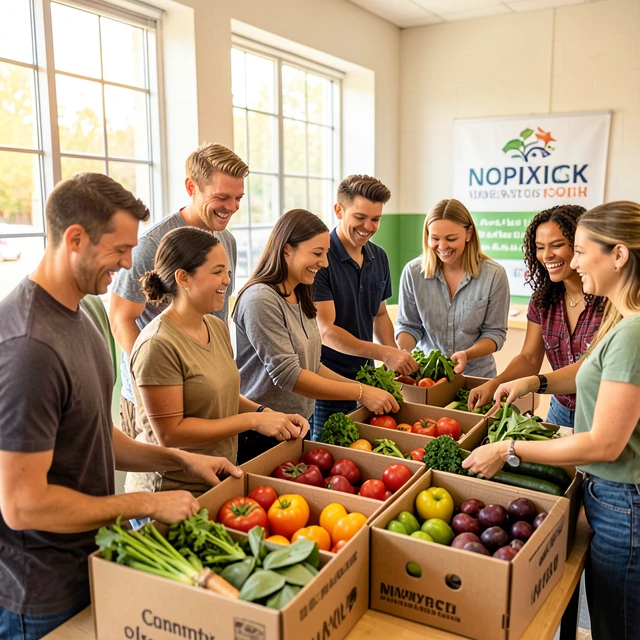
I once worked with a small animal shelter that logged volunteer hours but never connected them to animals saved. After we started measuring outcomes, they saw that consistent volunteers helped increase adoptions by 35 percent in one year. Stories like this show why metrics matter.
Why Measuring Volunteer Impact Matters
Nonprofits face tight budgets and growing demands. Volunteers fill critical gaps, but without clear data, their contributions stay invisible. Good measurement helps you:
- Prove value to funders and donors
- Improve programs over time
- Make smarter decisions about resources
- Boost volunteer motivation by showing real results
According to research from Independent Sector, the value of volunteer time reached about $34.79 per hour in recent years. Tracking this economic contribution turns hours into powerful stories for your reports.
Yet numbers alone do not tell the full story. You need both quantitative data (hard numbers) and qualitative insights (personal experiences) for a complete picture.
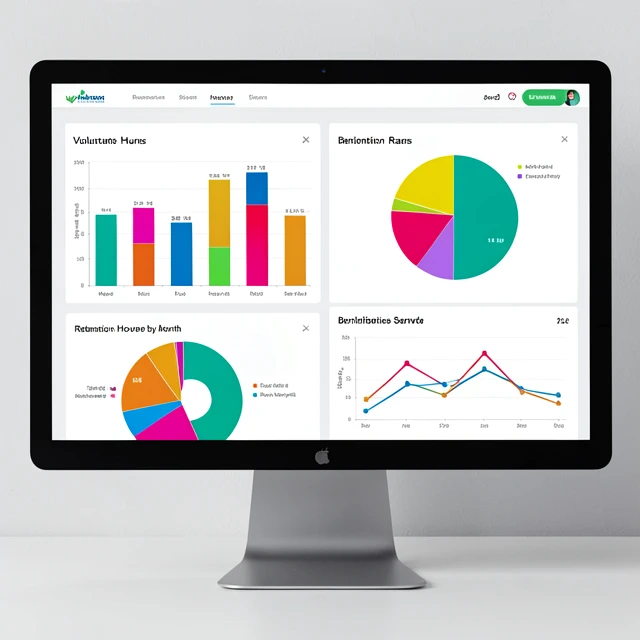
Key Metrics for Measuring Volunteer Impact
Start with these core metrics. They are easy to track and deliver actionable insights.
1. Volunteer Hours Contributed
This is the most basic yet essential number. Track total hours and average hours per volunteer. Multiply by the national value of volunteer time to show economic impact.
For example, 5,000 volunteer hours at $34.79 per hour equals nearly $174,000 in contributed value. This figure impresses boards and grant makers.
2. Volunteer Retention Rate
Calculate retention by dividing returning volunteers by the previous year's total. The national average sits around 65 percent. Aim higher through strong Volunteer Retention Strategies for Nonprofits.
High retention lowers recruitment costs and builds expertise. Volunteers who stay longer often contribute more hours and bring new people.
3. Number of Beneficiaries Served
Count people or animals helped directly by volunteers. Examples include meals distributed, students tutored, or acres cleaned.
Link this to outcomes where possible. Did literacy scores improve? Did clients find stable housing? These stories strengthen your case.
4. Volunteer Satisfaction and Engagement
Use short surveys to measure how volunteers feel. Ask about training quality, role clarity, and sense of belonging.
Tools like the Volunteer Satisfaction Index help identify strengths and gaps. Happy volunteers stay longer and speak positively about your organization.

Building a Strong Foundation: Creating a Volunteer-Friendly Culture
Creating a Volunteer-Friendly Culture starts on day one. Clear roles, good training, and regular recognition make people feel valued.
Simple actions help:
- Match skills to tasks
- Offer flexible scheduling
- Provide meaningful feedback
- Celebrate milestones publicly
When volunteers feel welcome, they engage more deeply. This directly improves every impact metric.
How to Recruit Volunteers Who Stick Around
How to Recruit Volunteers Who Stick Around requires honesty about expectations and opportunities for growth.
Effective tactics include:
- Targeted outreach through community partners
- Clear job descriptions with time commitments
- Skill-building workshops
- Personal invitations from current volunteers
Focus on people whose values match your mission. They are more likely to return.
Creating Impactful Volunteer Programs: A Guide for Nonprofits
Creating Impactful Volunteer Programs: A Guide for Nonprofits means aligning volunteer work with strategic goals.
Follow these steps:
- Define clear program objectives
- Design roles that advance those objectives
- Set up easy tracking systems
- Review data quarterly and adjust
- Share success stories regularly
One organization I know shifted from generic events to targeted roles based on data. Their retention jumped 20 percent, and program outcomes improved noticeably.
Volunteer Retention Strategies for Nonprofits
Strong Volunteer Retention Strategies for Nonprofits combine appreciation, growth, and community.
Try these proven approaches:
- Pair new volunteers with mentors
- Offer leadership opportunities
- Conduct stay interviews to catch issues early
- Recognize contributions in multiple ways (public thanks, certificates, small gifts)
Data shows that volunteers who receive proper training are far more likely to stay and promote your organization.
For deeper research on volunteer management, explore resources from the Council of Nonprofits on volunteer data and trends. Their insights on retention challenges are particularly useful.
Another excellent source is Independent Sector's work on the value of volunteer time, which provides reliable figures for economic impact calculations.
Putting It All Together: Actionable Tips
Begin small. Pick three metrics that matter most to your mission. Use free tools like spreadsheets or simple volunteer management software at first.
Create a volunteer impact report each year. Include numbers, stories, and photos. Share it with donors, boards, and volunteers.
Review your data regularly. Ask what it tells you about program strengths and weaknesses. Use insights to refine Creating Impactful Volunteer Programs.
Remember, measurement is not about perfection. It is about continuous improvement and showing gratitude for the time people give.
Summary
Measuring Volunteer Impact: Metrics That Matter gives nonprofits the tools to value their volunteers properly. By tracking hours, retention, satisfaction, and outcomes, you build stronger programs and clearer stories of change.
Focus on Creating a Volunteer-Friendly Culture and smart Volunteer Retention Strategies for Nonprofits. Recruit thoughtfully with How to Recruit Volunteers Who Stick Around in mind. The result is more impact, happier volunteers, and sustainable growth.
Start today with one or two metrics. Watch how data transforms your volunteer program from good to exceptional.