Reflecting on #MeToo: Key Insights from Pew Research Center Five Years Later
Explore the enduring impact of the #MeToo movement through the lens of Pew Research Center: The #MeToo Movement Five Years Later. Discover shifts in workplace accountability, public views, and the broader power of digital activism in driving social change.
4 min read
A Quick Look Back
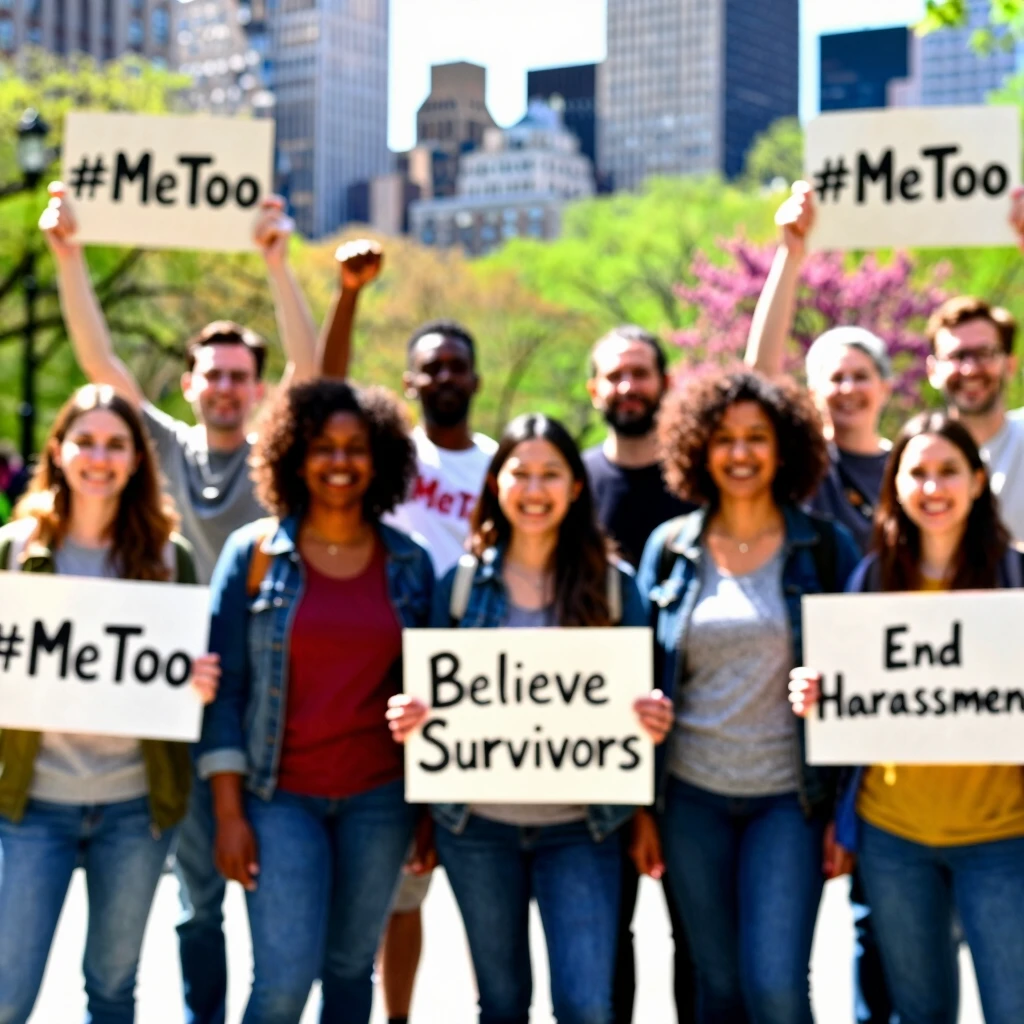
The #MeToo movement exploded in 2017, giving survivors a voice against sexual harassment. Five years on, Pew Research Center: The #MeToo Movement Five Years Later reveals lasting changes. Most Americans now see better accountability at work and stronger belief in accusers. Yet challenges remain. This report highlights how digital activism sparked real progress.

The Spark of #MeToo
Back in October 2017, actress Alyssa Milano tweeted two simple words: "If you've been sexually harassed or assaulted write 'me too' as a reply to this tweet." What started as a call for solidarity quickly became a global wave. Millions shared stories, exposing the widespread pain of sexual misconduct.
Tarana Burke had coined 'Me Too' over a decade earlier to support Black girls facing abuse. But social media turned it into a powerhouse. This digital surge showed the power of digital activism—everyday people using online tools to demand change.
Pew Research Center: The #MeToo Movement Five Years Later digs into this shift. Their 2022 survey of over 6,000 U.S. adults paints a clear picture. About 49% of Americans support the movement, while 21% oppose it. That's more than twice as many backers as critics.
I remember watching the stories flood in. As someone who's volunteered in advocacy groups, it felt electric. Friends who'd stayed silent for years finally spoke up. It wasn't just talk—it led to real action.
What the Data Shows
Pew's findings spotlight key wins. Here's a quick breakdown:
| Aspect | Percentage Agreeing with Change | Notes |
|---|---|---|
| Harassers held more accountable | 70% | Crosses party lines—Democrats, Republicans, independents all agree. |
| Accusers more likely to be believed | 62% | A big step from the old 'she asked for it' doubts. |
| Harder for men to interact at work | 46% | Highlights ongoing tensions in daily office life. |
These numbers come straight from Pew's rigorous polling. They prove #MeToo didn't fade away.
Take the accountability stat. Before #MeToo, many abusers walked free. Now, seven in ten folks think consequences hit harder. This ties to real-world shifts, like companies rolling out better training programs.
From my time leading volunteer advocacy initiatives for social change, I've seen this firsthand. In one group I worked with, we trained over 200 employees on spotting harassment. Post-#MeToo, attendance doubled. People wanted to learn, not just comply.

Beyond the Numbers: Real Lives Changed
The report doesn't just crunch stats—it captures heart. Women, especially, report feeling safer speaking out. Pew notes gender gaps: 57% of women support #MeToo strongly, versus 41% of men. But even among opponents, most see positive workplace tweaks.
Think about it. In 2017, high-profile cases like Harvey Weinstein's downfall grabbed headlines. But the quiet wins matter too. Local theaters updated codes of conduct. Schools added consent lessons. These ripple from digital calls to action.
I've shared my own story in advocacy circles—not as a survivor, but as an ally who's lost friends to silence. #MeToo taught me listening beats lecturing. It builds trust, the foundation of any volunteer advocacy initiatives for social change.
The Power of Digital Activism
MeToo shines as a star in digital activism's story. It proves hashtags can topple giants. But it's part of a bigger trend. Online tools let voices unite fast, turning clicks into causes.
Want proof? Look at these standout examples. They show how advocacy thrives online.
10 Successful Digital Activism Campaigns
Here's a list of campaigns that rocked the world, including #MeToo:
- #MeToo Movement: Sparked global talks on harassment, leading to laws and firings.
- Black Lives Matter (#BLM): Highlighted racial injustice, pushing police reforms.
- Ice Bucket Challenge: Raised $115 million for ALS research via fun videos.
- Fridays for Future: Greta Thunberg's climate strikes inspired youth worldwide.
- #LoveWins: Celebrated same-sex marriage win, boosting LGBTQ+ rights.
- Earth Hour: Billions switched lights off for environmental awareness.
- #BringBackOurGirls: Demanded action on kidnapped Nigerian schoolgirls.
- #HeForShe: Emma Watson's call got men joining gender equality fights.
- #TimesUp: Hollywood's push for equal pay and anti-abuse policies.
- #NiUnaMenos: Latin American fight against femicide, sparking protests.
Each used social media to amplify messages. They blend emotion with strategy, much like #MeToo.
These campaigns highlight the power of digital activism. They turn passive scrollers into active changemakers. In my view, success boils down to authenticity. Share real stories, rally real support.
For deeper dives, check this Yale study on #MeToo's effects on crime reporting. It shows jumps in assault arrests post-movement.
Challenges and the Road Ahead
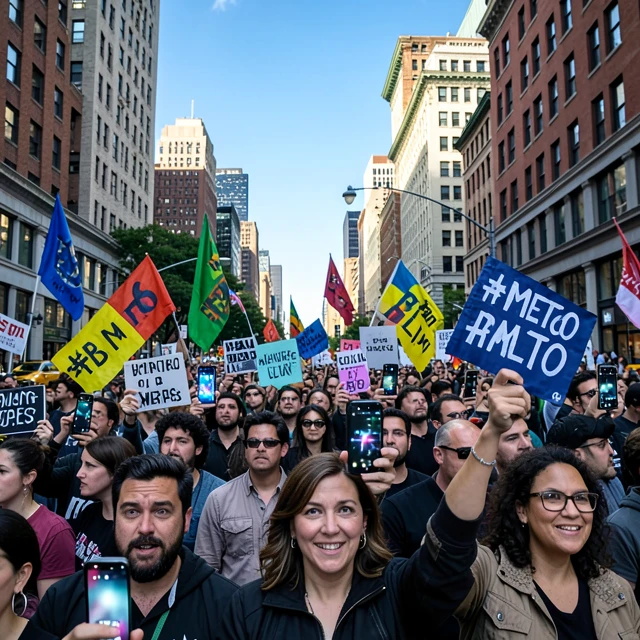
Pew's report flags hurdles. That 46% who say it's tougher for men at work? It points to confusion. Active voice helps here: Train everyone, not just targets. Make rules clear, not vague.
Plus, rates of harassment haven't dropped much. A Tulane University survey found 82% of women faced it lifetime. We need more.
Enter volunteer advocacy initiatives for social change. Join local groups. Host workshops. Use apps to report safely. Small steps build big waves.
The EEOC's data on post-#MeToo charges backs this—filings rose 13.6% in 2018. It's progress, but vigilance counts.
From a Harvard perspective, international echoes of #MeToo vary. In the U.S., laws tightened. Globally, stories spread, but enforcement lags.
As an advocate, I push for hybrid efforts: Online buzz plus offline action. Digital starts the fire; communities fan it.
Wrapping It Up
Five years post-#MeToo, Pew Research Center: The #MeToo Movement Five Years Later shows a world that's listened—and acted. Accountability rises, voices grow louder. Yet work remains.
Embrace the power of digital activism. Join volunteer advocacy initiatives for social change. Your story, your share, can shift the tide. Let's keep the conversation—and the change—going.