Networking Through Volunteering: Building Professional Relationships
Discover how volunteering can enhance your career by building professional relationships, boosting employability, and unlocking opportunities. Learn practical tips and explore top volunteer opportunities for college students to strengthen your network and career prospects.
5 min read

Overview
Volunteering is more than just giving back—it’s a powerful way to build professional relationships and boost your career. By engaging in meaningful work, you connect with like-minded individuals, showcase your skills, and open doors to new opportunities. This article explores how Networking Through Volunteering: Building Professional Relationships can transform your career path, especially for college students.
Why Volunteering Matters for Your Career
Volunteering isn’t just about helping others; it’s a strategic move for your professional growth. When you volunteer, you step into environments where you can meet people from diverse backgrounds—professionals, community leaders, and peers—who share your values. These connections often lead to mentorships, job referrals, or partnerships.
For college students, volunteering is a chance to gain real-world experience while still in school. It shows employers you’re proactive, adaptable, and committed to making a difference. According to a 2016 survey by Deloitte, 82% of hiring managers prefer candidates with volunteer experience, highlighting Why Employers Value Volunteer Experience. It demonstrates soft skills like teamwork, communication, and problem-solving, which are critical in any workplace.
How Volunteering Builds Professional Relationships
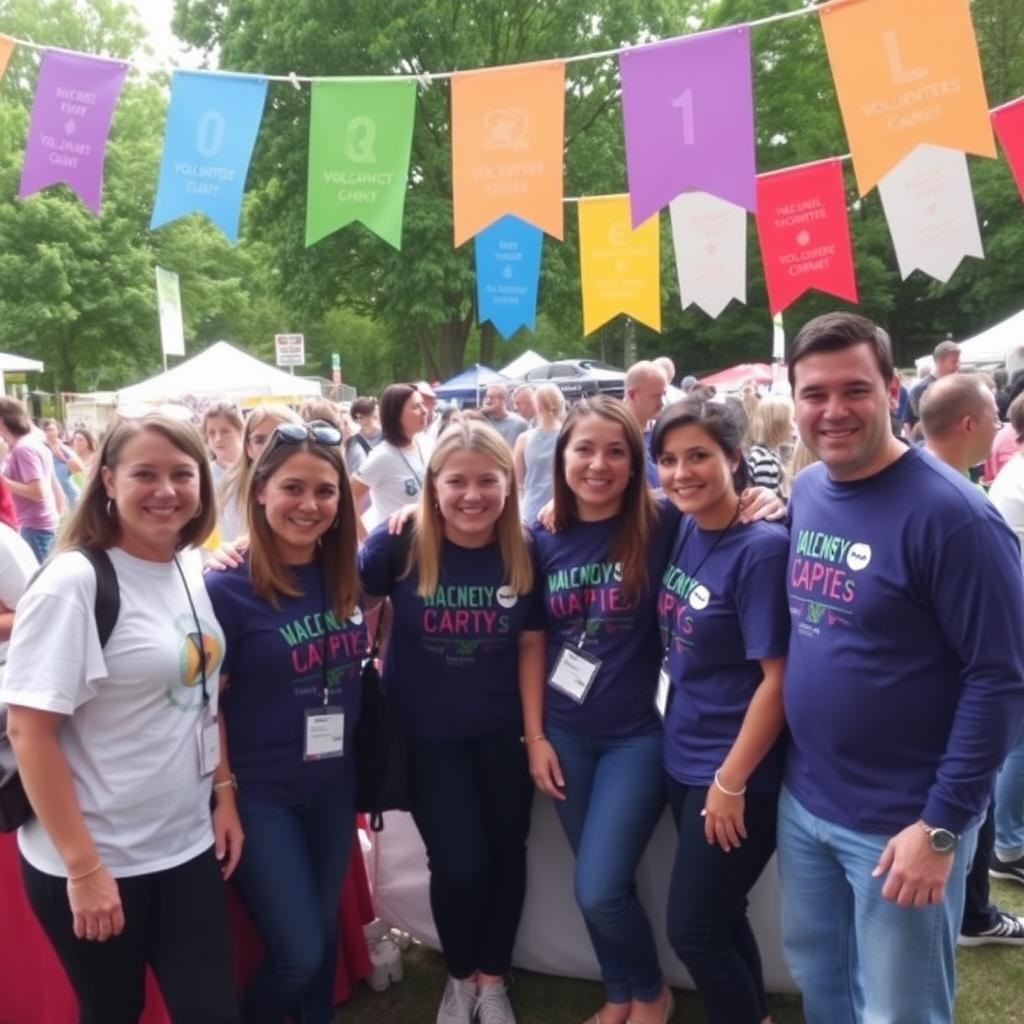
Volunteering creates organic networking opportunities. Unlike formal networking events, where conversations can feel forced, volunteering lets you connect naturally through shared goals. Whether you’re organizing a charity event or teaching kids to read, you’re working side-by-side with others, building trust and rapport.
For example, I once volunteered at a local food bank and met a marketing professional who later became my mentor. We bonded over sorting donations, and our casual chats led to discussions about career goals. She introduced me to her network, which helped me land my first internship. These kinds of connections happen because volunteering breaks down barriers and fosters genuine relationships.
Here’s how volunteering helps you network: - Shared Purpose: Working toward a common cause creates strong bonds. - Skill Showcasing: You can demonstrate your abilities in real-world settings. - Diverse Connections: You meet people from different industries and backgrounds. - Low-Pressure Environment: Conversations flow naturally, unlike formal networking events.
Top Volunteer Opportunities for College Students
Finding the right volunteer opportunity can make all the difference. The best roles align with your interests, skills, and career goals. Below are some of the Top Volunteer Opportunities for College Students that can help you build professional relationships:
| Opportunity | Description | Skills Gained | Networking Potential |
|---|---|---|---|
| Community Outreach | Work with local nonprofits to organize events or fundraisers. | Event planning, communication | Connect with community leaders and nonprofit professionals. |
| Tutoring/Mentoring | Teach or mentor children or peers in academic or life skills. | Leadership, patience | Meet educators, counselors, and community advocates. |
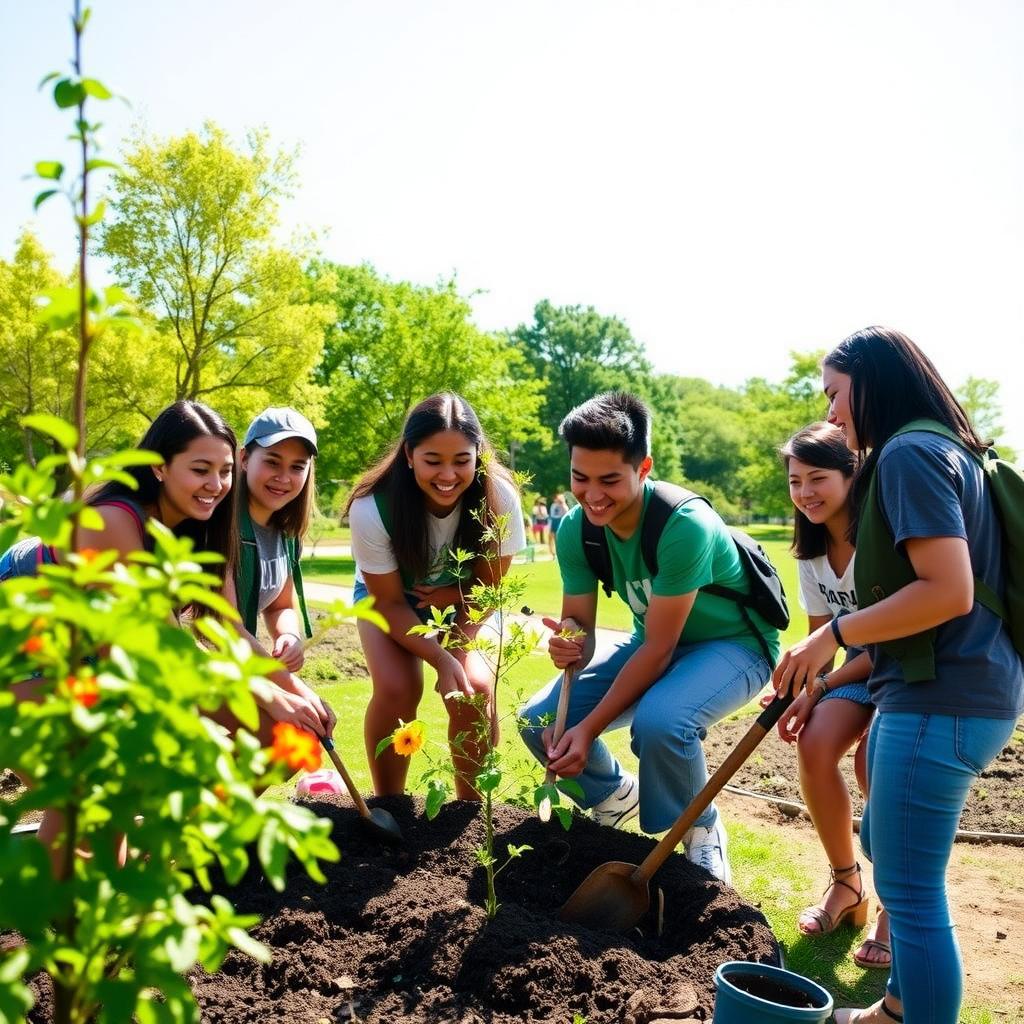
| Environmental Projects | Join cleanups, tree plantings, or sustainability initiatives. | Teamwork, project management | Engage with environmental professionals and activists. |
| Tech Support for Nonprofits | Help organizations with website updates or tech solutions. | Technical skills, problem-solving | Network with tech professionals and nonprofit leaders. |
These opportunities allow you to gain experience while meeting people who can support your career. For instance, tutoring might connect you with educators who can recommend you for teaching roles, while tech support could introduce you to IT professionals.

How Volunteering Can Boost Your Career Prospects
Volunteering doesn’t just build relationships—it directly enhances your employability. How Volunteering Can Boost Your Career Prospects lies in its ability to fill gaps in your resume, showcase transferable skills, and make you stand out to employers. Here’s how:
- Resume Enhancement: Volunteering adds substance to your resume, especially if you lack professional experience. Roles like event coordinator or team leader show initiative and responsibility.
- Skill Development: You gain practical skills like project management, public speaking, or data analysis, which are transferable to any job.
- Employer Appeal: Companies value candidates who show commitment to their communities. A 2020 LinkedIn study found that 41% of hiring managers view volunteer work as equivalent to paid experience.
- Confidence Building: Taking on new challenges in a low-stakes environment boosts your confidence, preparing you for job interviews and workplace dynamics.
For college students, volunteering is a way to test career paths. Interested in marketing? Volunteer to manage a nonprofit’s social media. Curious about healthcare? Assist at a community health fair. These experiences clarify your interests and make you a stronger candidate.
Practical Tips for Networking Through Volunteering
To maximize your networking potential, approach volunteering strategically. Here are actionable tips to help you build professional relationships:
- Choose Roles That Align With Your Goals: Pick opportunities that match your career interests. If you’re studying business, volunteer for roles involving budgeting or marketing.
- Be Consistent: Regular volunteering builds deeper connections. Commit to a schedule to show reliability and strengthen relationships.
- Engage Actively: Don’t just show up—contribute ideas, ask questions, and take initiative. People notice enthusiasm and are more likely to remember you.
- Follow Up: After meeting someone, connect on LinkedIn or send a polite email. Mention a specific moment from your volunteer work to jog their memory.
- Reflect Your Experience: Add volunteer roles to your resume and LinkedIn profile. Highlight specific achievements, like “Organized a fundraiser that raised $5,000.”
For example, a friend of mine volunteered at a career fair and made a point to introduce herself to every employer present. One conversation led to a part-time job offer. Small actions like these can yield big results.
Overcoming Common Volunteering Challenges
Volunteering isn’t always easy, especially for busy college students. Time constraints, lack of experience, or shyness can hold you back. Here’s how to overcome these hurdles:
- Time Management: Start with short-term opportunities, like one-day events, to fit volunteering into a busy schedule.
- Lack of Skills: Many roles require no prior experience. Look for beginner-friendly opportunities, like event setup or community cleanups.
- Shyness: Volunteering is a low-pressure way to practice networking. Start with small tasks and gradually engage in conversations as you gain confidence.
By addressing these challenges, you can make volunteering a rewarding part of your routine. Sites like VolunteerMatch.org or Idealist.org can help you find volunteer opportunities for college students that suit your schedule and interests.
Summary
Volunteering is a game-changer for building professional relationships and boosting your career. By choosing the right opportunities, engaging actively, and following up with new contacts, you can create a network that opens doors to internships, jobs, and mentorships. For college students, volunteering offers a unique way to gain experience, develop skills, and stand out to employers. Start small, stay consistent, and watch your career prospects soar.