Networking Tips for College Students: Build Connections That Last
Discover practical networking tips for college students to build professional relationships, leverage volunteer opportunities, and boost your career prospects through real-world experiences and genuine connections.
3 min read

Overview
Networking in college opens doors to future jobs, mentorships, and opportunities you might not find otherwise. This guide shares actionable networking tips for college students, including how volunteer work can help you connect with others naturally.

Why Networking Matters in College
You might think networking is just for people with jobs already. But starting in college gives you a big advantage. Many entry-level positions come through personal connections rather than online applications.
When I was in college, I landed my first internship because a professor introduced me to someone in the field. That small connection changed everything for me.
Good networks provide advice, recommendations, and insights into industries. They also help you learn about hidden job openings.
Start on Campus
Your school is full of networking chances. Attend club meetings, guest lectures, and workshops. Join groups related to your major or interests.
Talk to professors during office hours. They often know alumni and professionals who can help you.
Career centers host events like job fairs. Go prepared with questions and a smile.
Master the Basics of Talking to People
Networking starts with simple conversations. Introduce yourself clearly: "Hi, I'm Alex, a junior studying marketing. I enjoyed your talk on digital trends."
Listen more than you talk. Ask open questions like "What do you enjoy most about your work?" or "How did you get started in this field?"
Follow up after meeting someone. Send a quick email saying it was nice to chat and reference something you discussed.
Use LinkedIn Effectively
Create a professional LinkedIn profile early. Add a clear photo, your major, and any experiences.
Connect with classmates, professors, and people you meet at events. Personalize connection requests: "We met at the career fair – I'd love to stay in touch."
Share articles or updates about your field. Comment thoughtfully on others' posts to stay visible.

Leverage Volunteer Opportunities for College Students
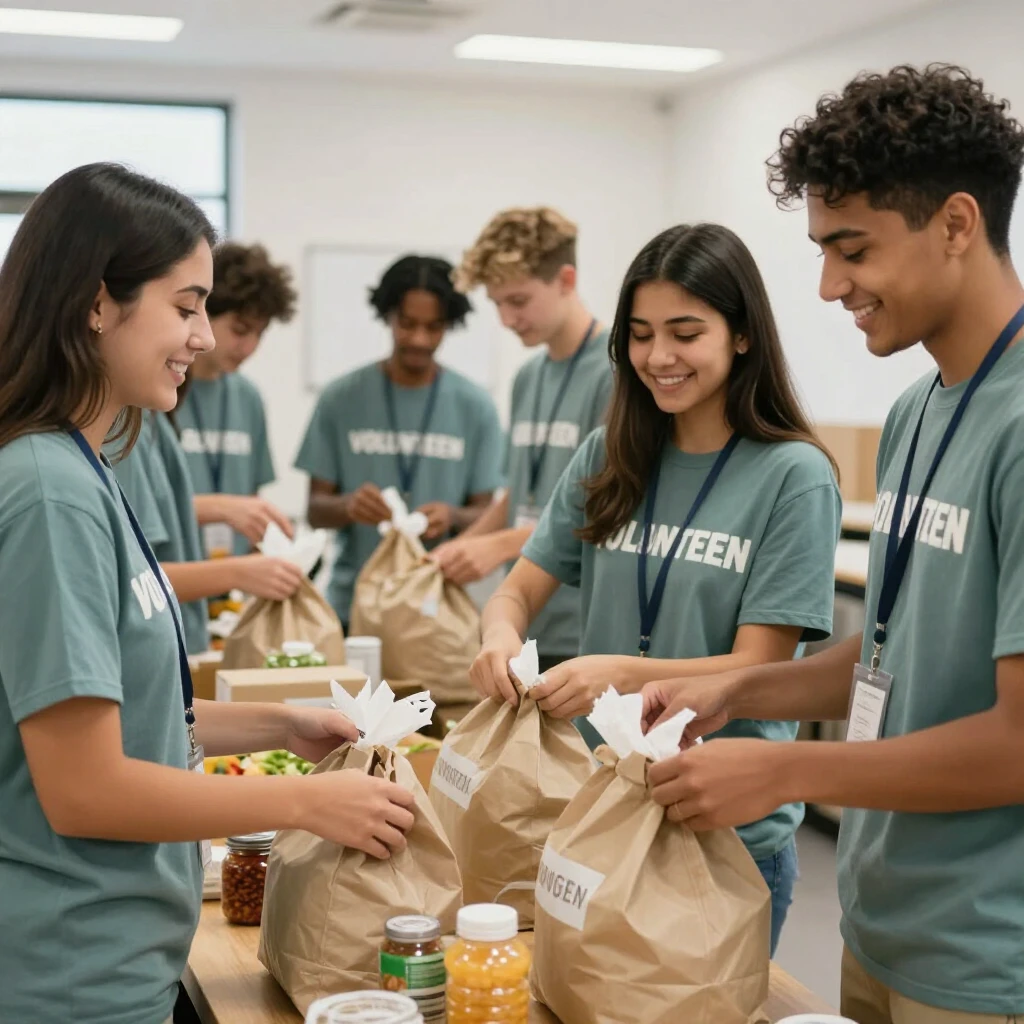
One of the best networking tips for college students is to volunteer. Volunteer opportunities for college students let you meet people outside the classroom while doing meaningful work.
Many professionals give time to causes they care about. Working side by side builds real bonds faster than formal events.
According to a report from AmeriCorps, college student volunteering increased significantly in the early 2000s, and it remains a popular way to gain experience and connections (College Students Helping America).
How Volunteering Helps Your Network
- You meet mentors who can guide your career.
- You work with peers who share your values.
- Organizations often connect volunteers to their professional networks.
- It shows employers you care about more than just grades.
Look for service learning programs at your school. These combine volunteer work with academic credit and reflection.
Find the Right Volunteer Roles
Start with your campus volunteer center. They list local needs that fit student schedules.
Programs like Habitat for Humanity's Collegiate Challenge let groups of students build homes together, creating strong connections along the way (Habitat for Humanity Collegiate Challenge).
Tutoring or mentoring younger students also builds communication skills and networks with educators.
Combine Networking with Service Learning
Service learning ties volunteer work to your classes. You apply what you learn while helping the community.
These experiences often include reflection sessions where you discuss impacts with classmates and supervisors – perfect for deeper relationships.
Many schools partner with community organizations for ongoing projects.
Overcome Common Challenges
Feeling shy? Start small. Practice introductions with friends.
Busy schedule? Choose flexible volunteer roles or one-time events.
Not sure where to start? Ask a career advisor for suggestions.
Remember, everyone feels nervous at first. The more you practice, the easier it gets.
Long-Term Habits
Keep building your network after college. Stay in touch with people you meet.
Help others when you can. Networking works best when it's mutual.
Track your contacts and note how you met them.
Your college years are the perfect time to start these habits.
Final Thoughts
Networking tips for college students boil down to showing up, being genuine, and adding value. Combine campus activities with volunteer opportunities for college students to create authentic connections.
Start today – one conversation or volunteer shift can lead to amazing opportunities tomorrow.